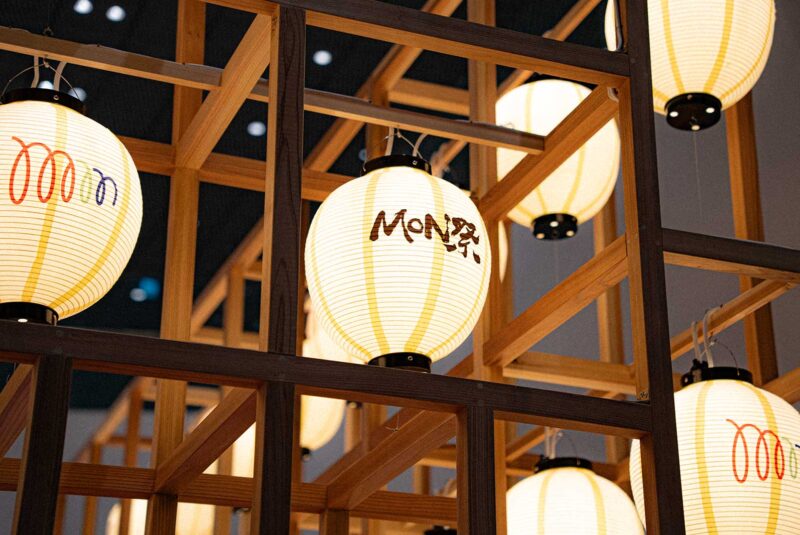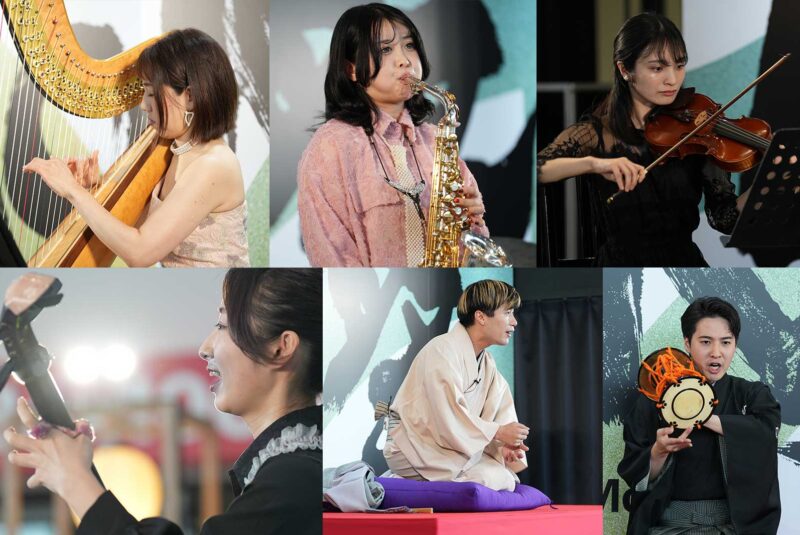
"MoN Handmade Stall," a live exhibition showcasing the production process of traditional crafts.
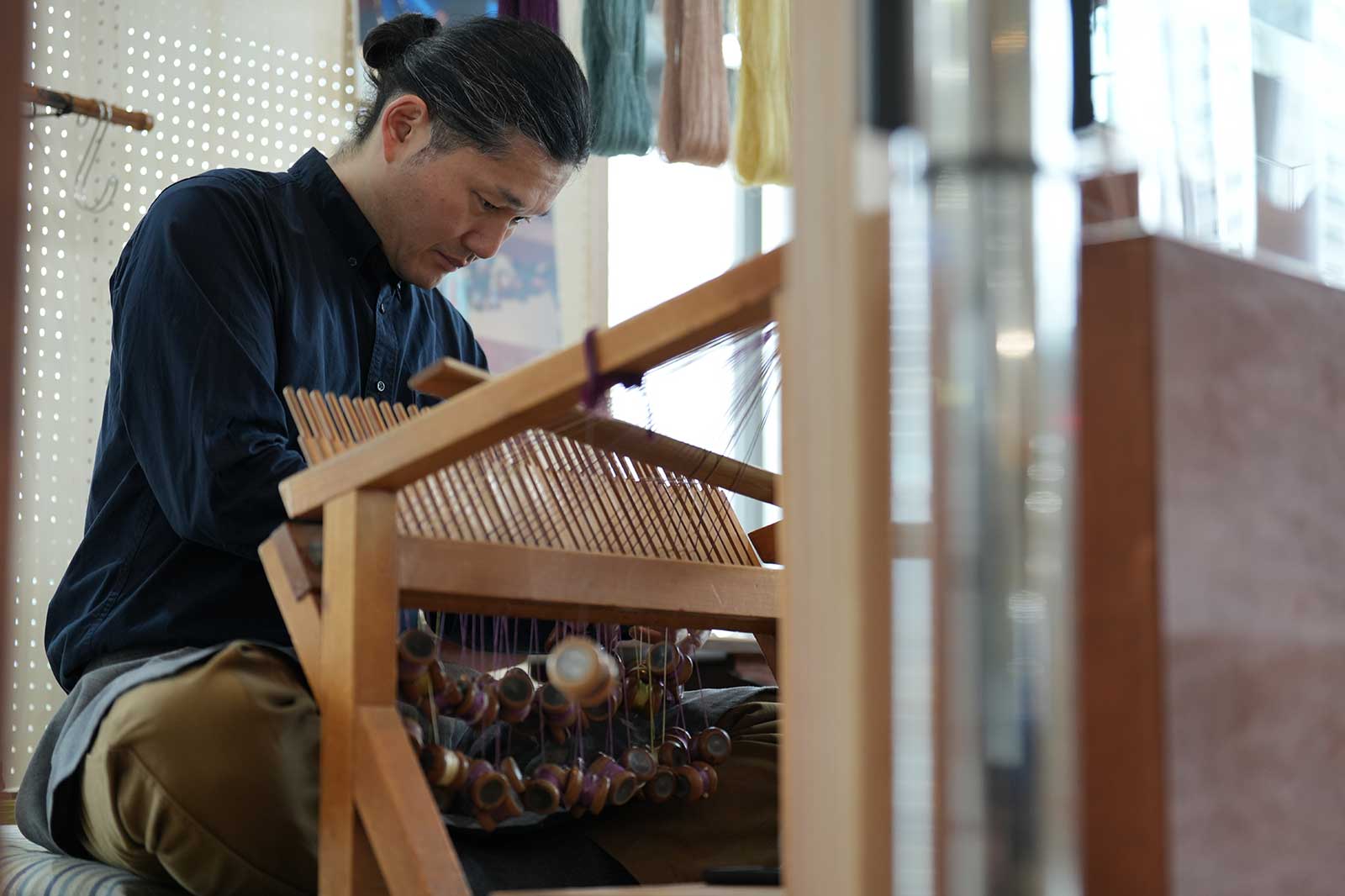
The opening event, "MoN Festival," was a cultural celebration at MoN Takanawa, whose mission is to "connect culture to the next 100 years," bringing together diverse cultural figures to celebrate all forms of culture and rejoice in the moment when culture begins. A wide range of programs were presented, including exhibitions and stage performances.
From April 1st, a row of "MoN Handicraft Stalls" lined the first-floor Park Terrace. Sixteen artisans and traditional craftspeople from all over Japan appeared on a weekly rotation, showcasing their own production processes and displaying their craftwork in stalls that recreated their workshops.
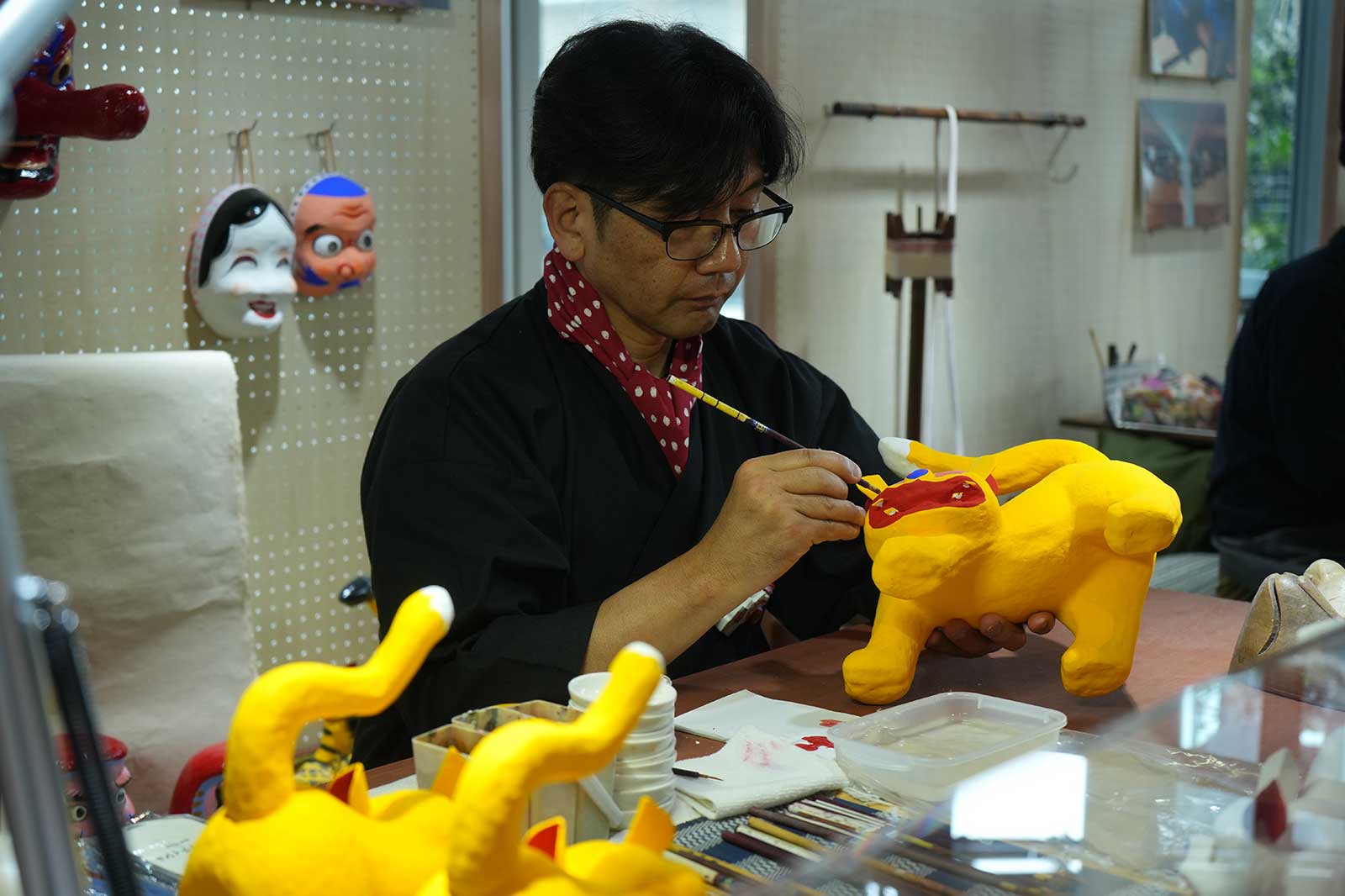
[Fukushima] Deco House Main Branch Daikokuya
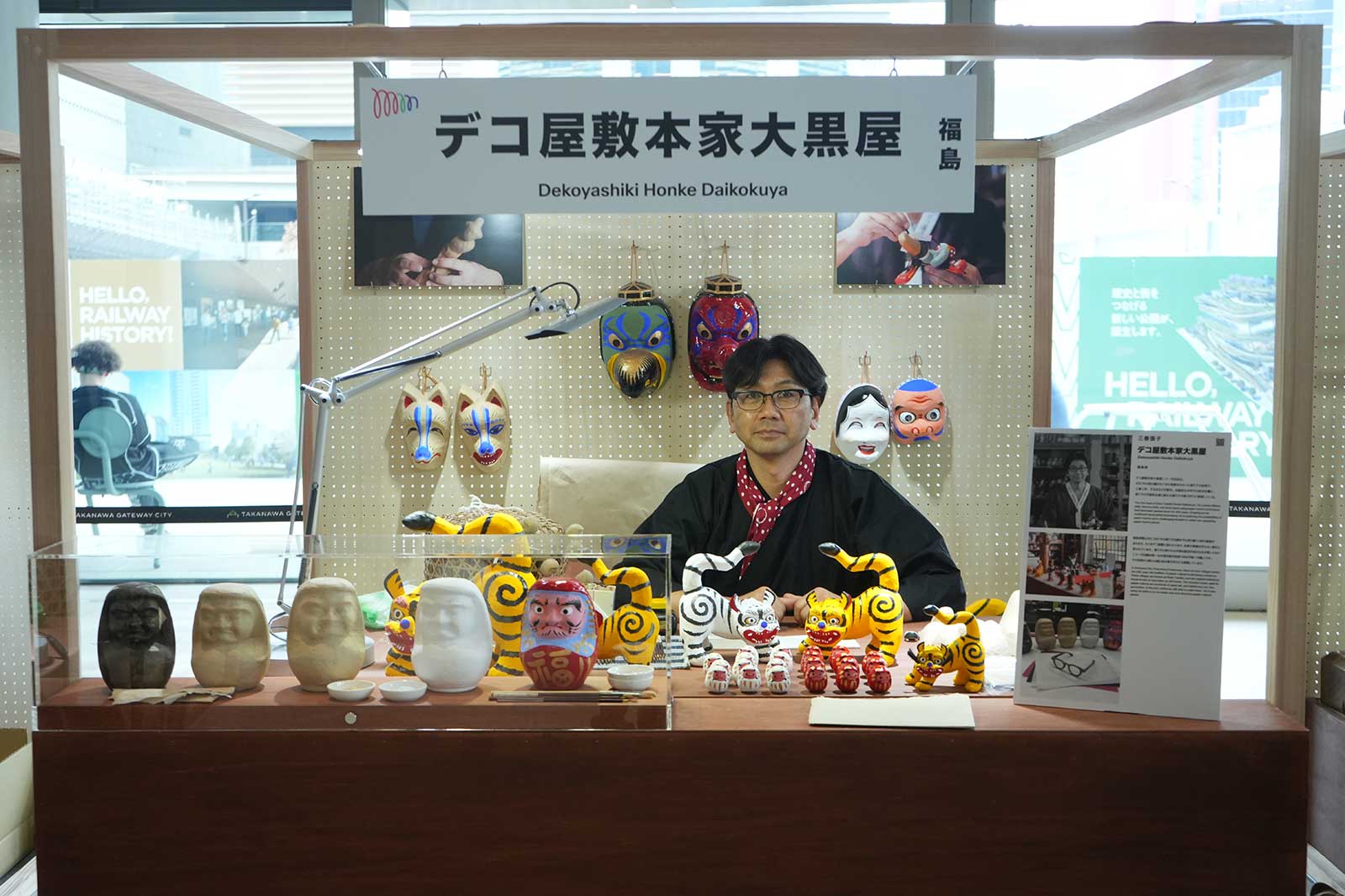
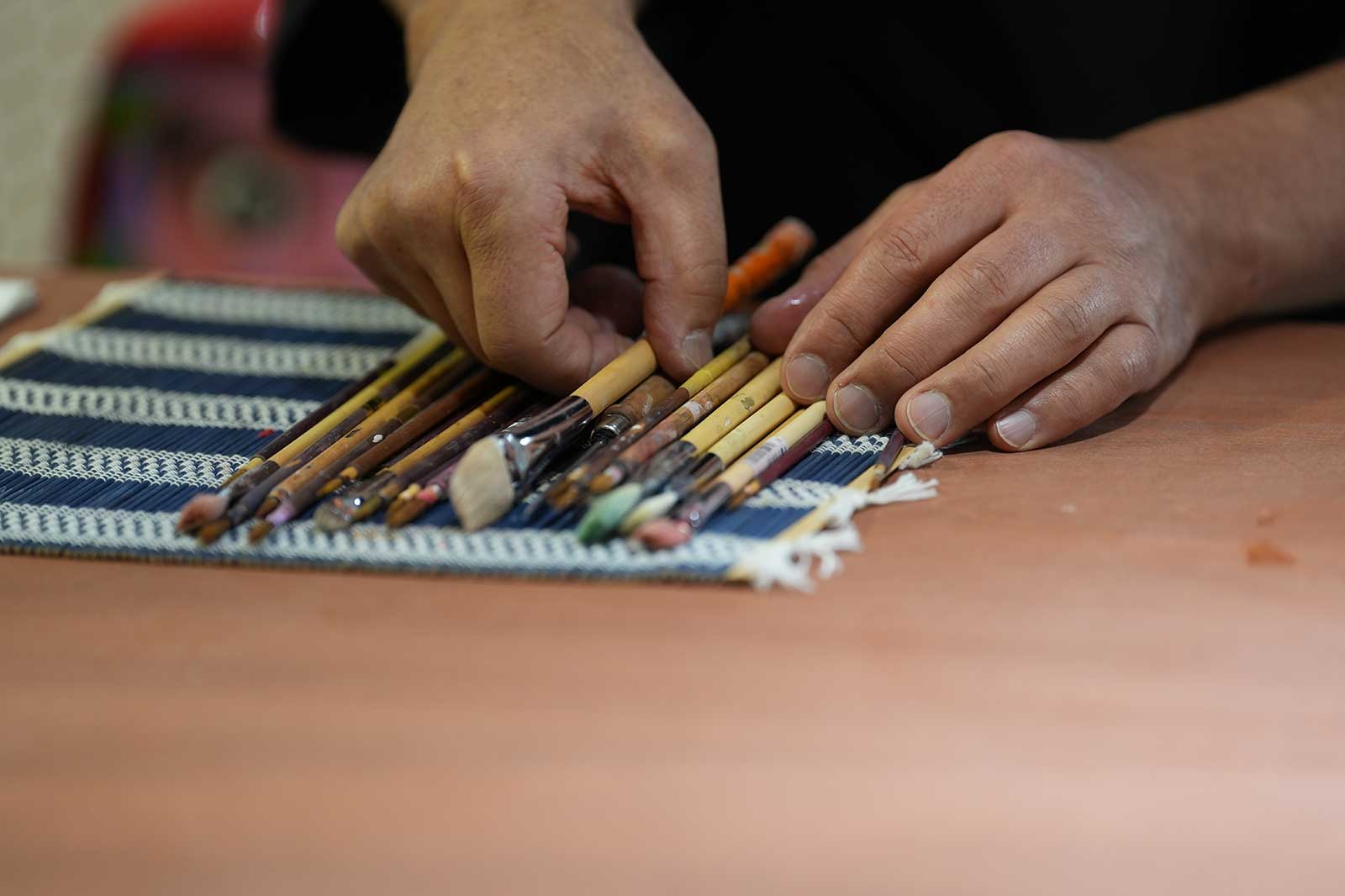
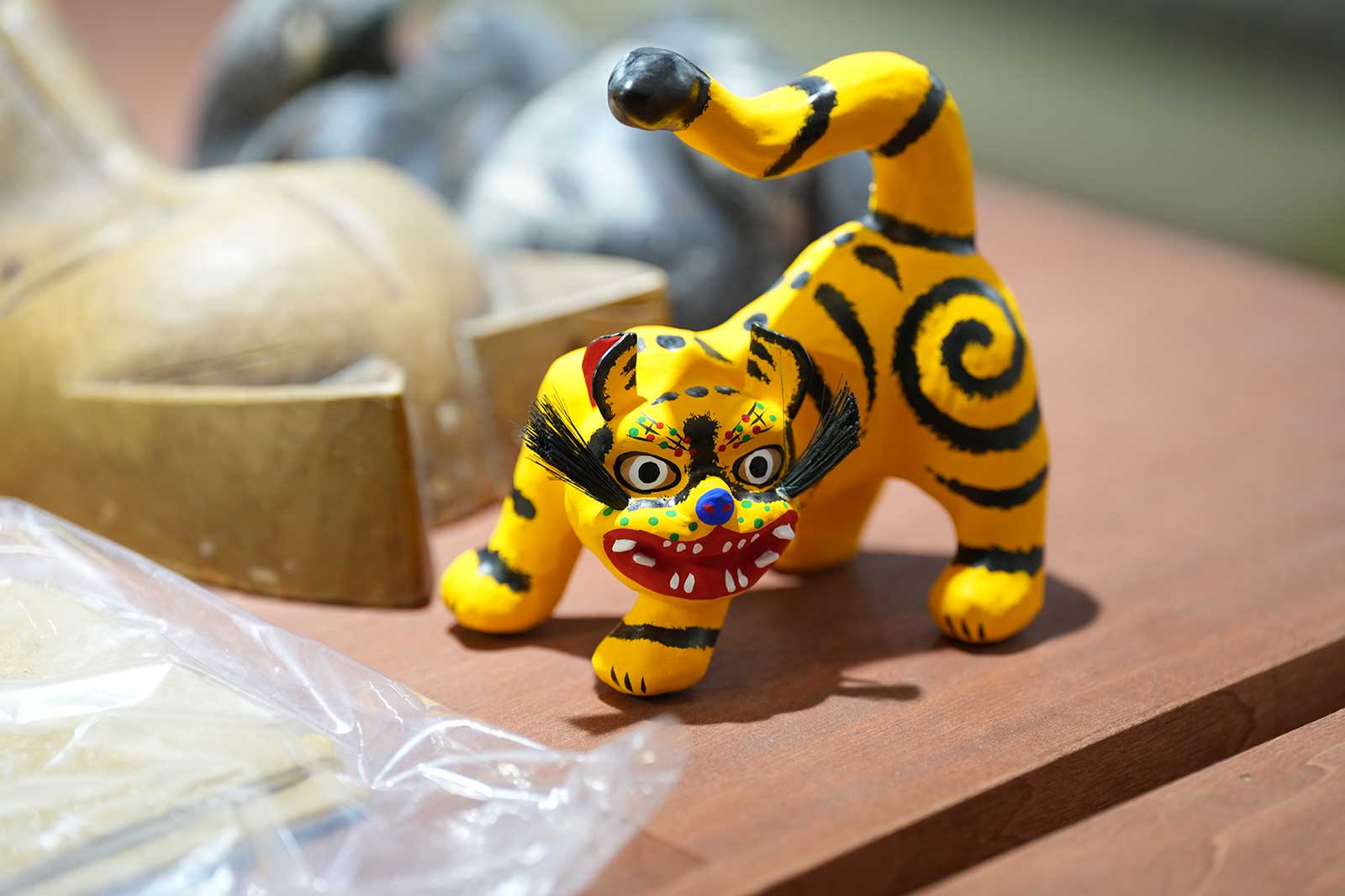
In Fukushima Prefecture, the art of papier-mâché has been practiced for over 300 years. Dolls are shaped by firmly pressing wet Japanese paper into a mold, and then colored. During the craft demonstration period, many works were colored and faces were painted.
[Gunma] Canoan Hand-Spun Dyeing and Weaving, Hiroko Nakano
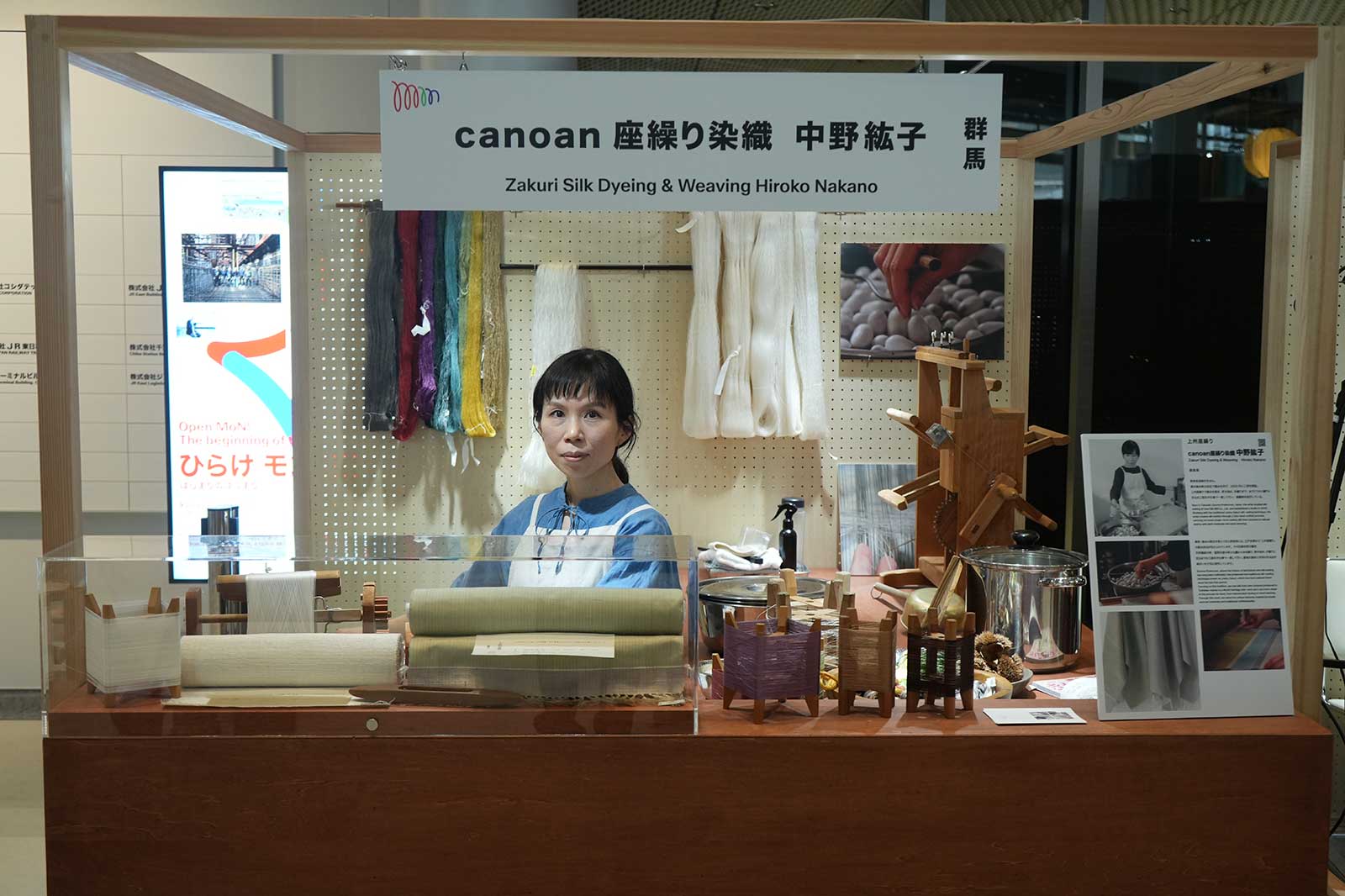
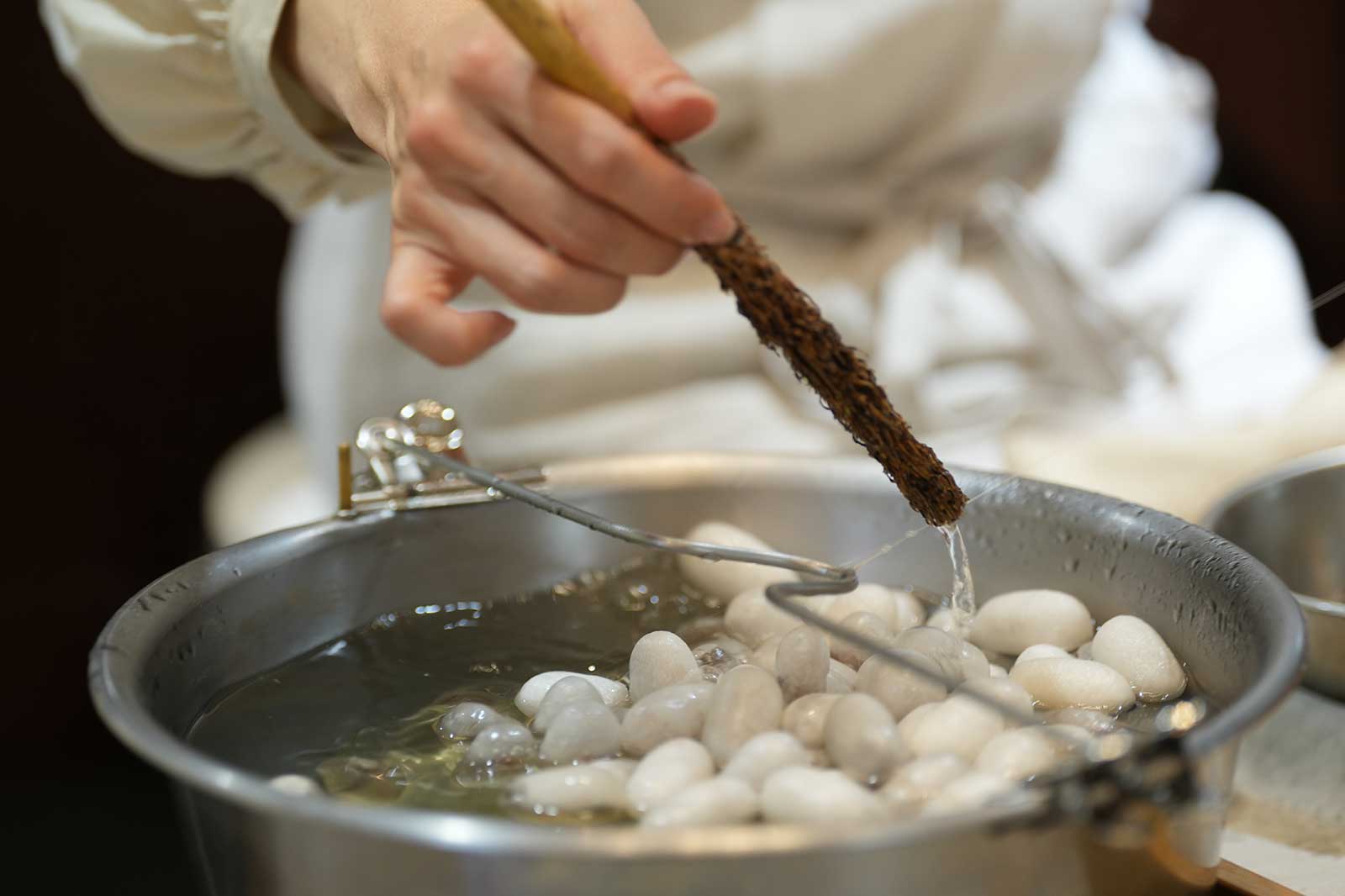
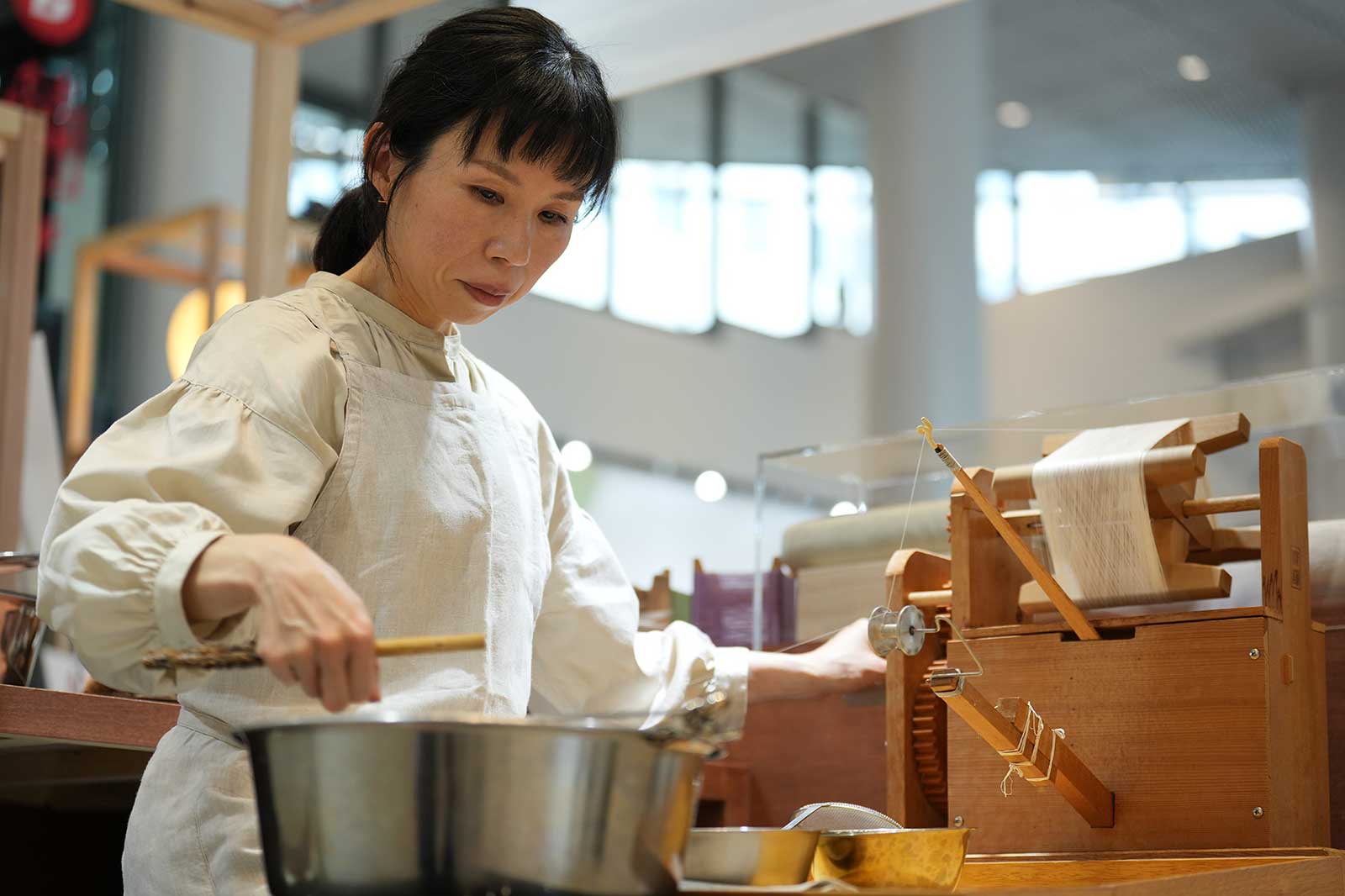
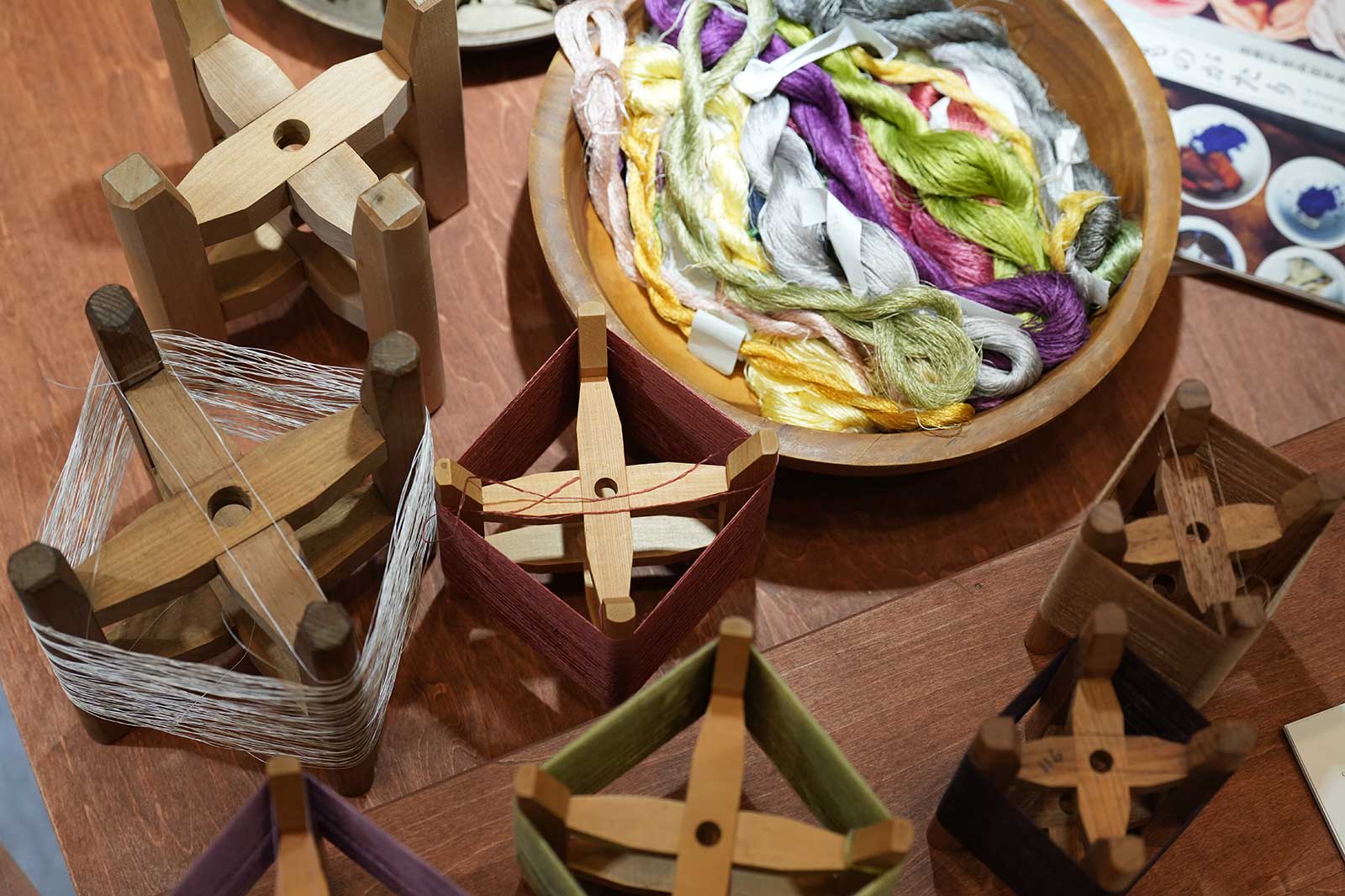
Joshu Zakuri, a traditional silk reeling technique passed down in Gunma Prefecture since the Edo period, involves spinning silk threads from cocoons, dyeing them with natural dyes, and slowly weaving them on a handloom. I was struck by the sight of children completely engrossed in the cocoons and the weaving process.
[Chiba] Kota Nakamura (Edo Kumihimo Nakamura Sho)
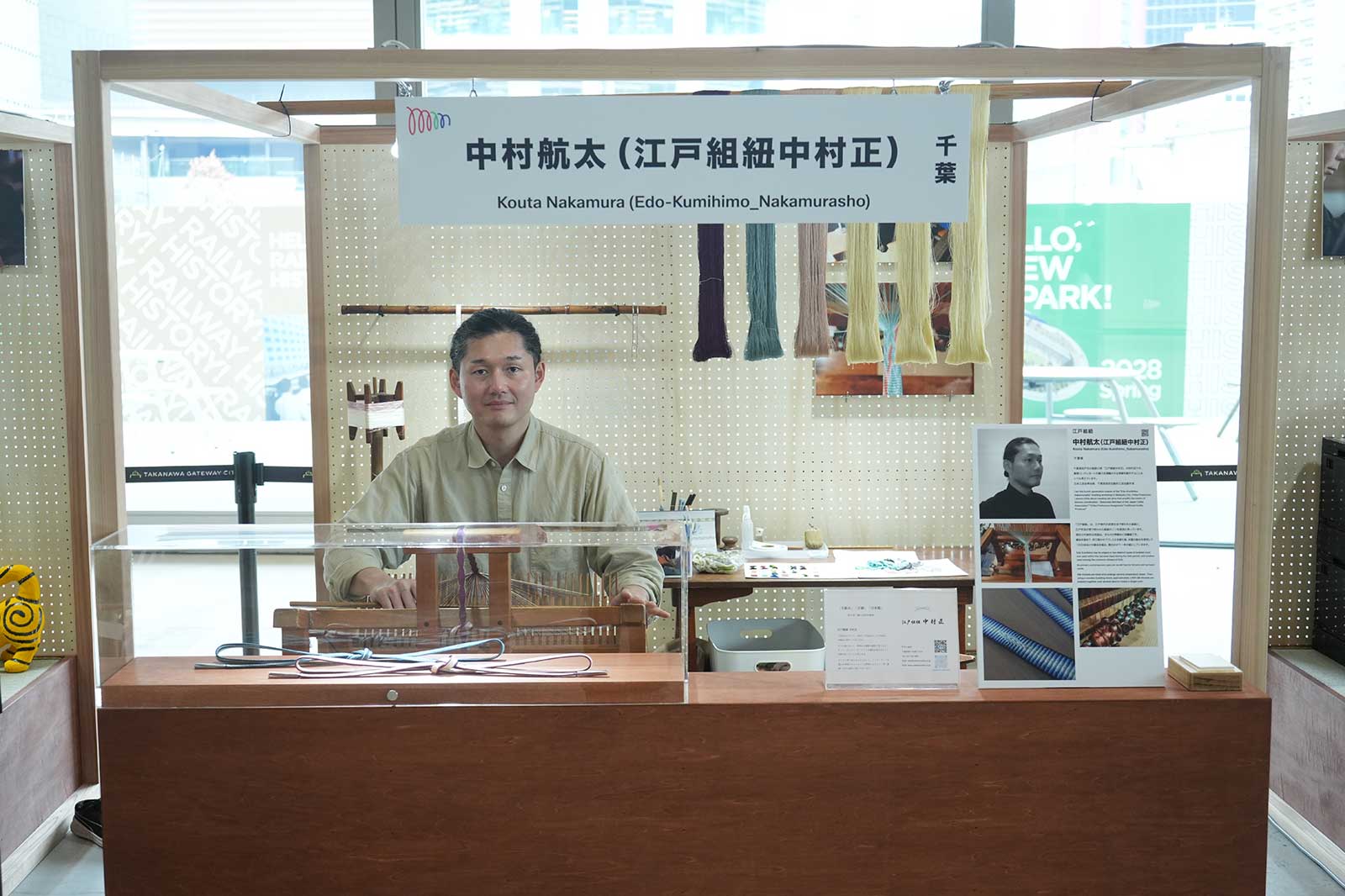
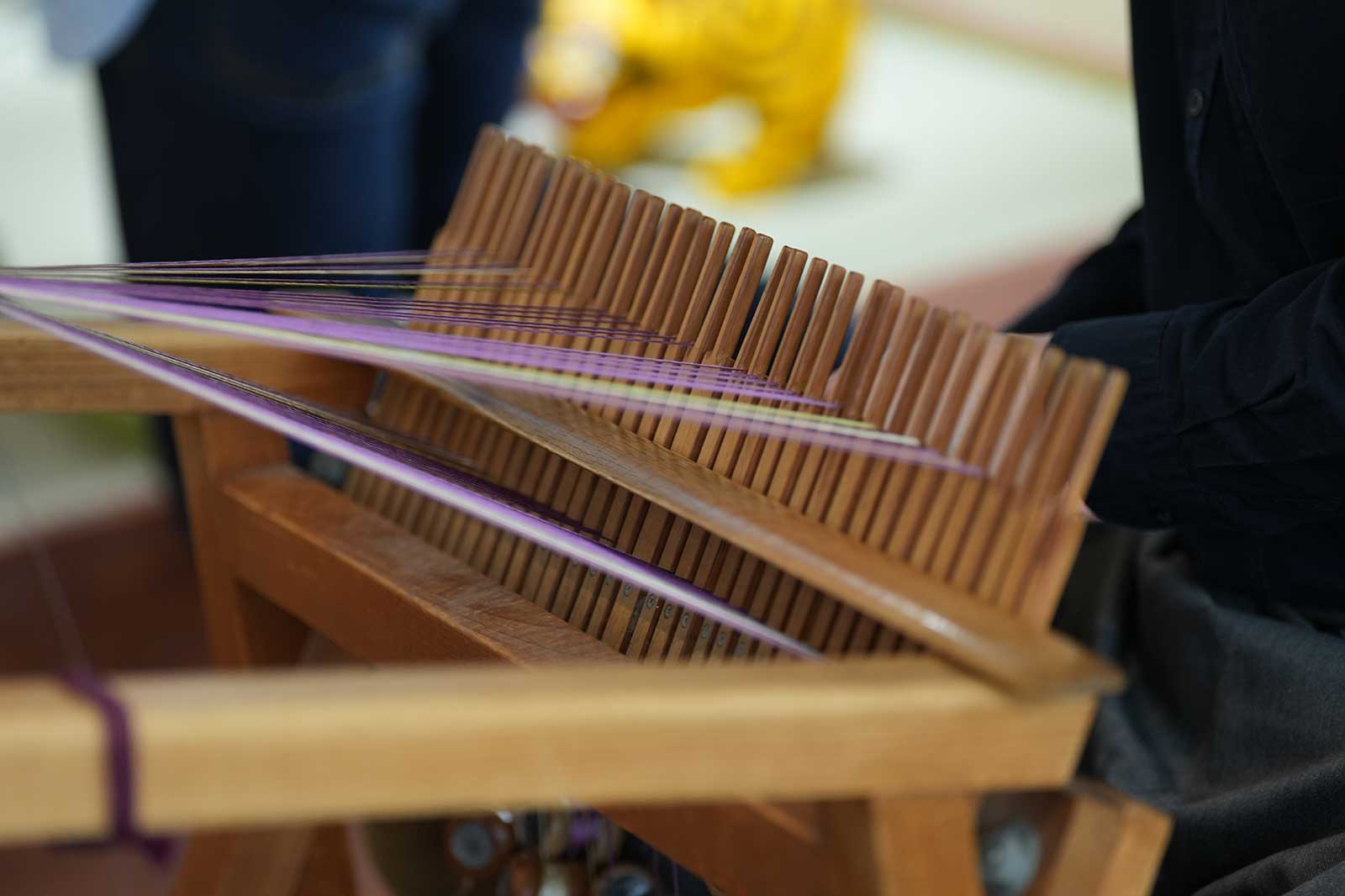
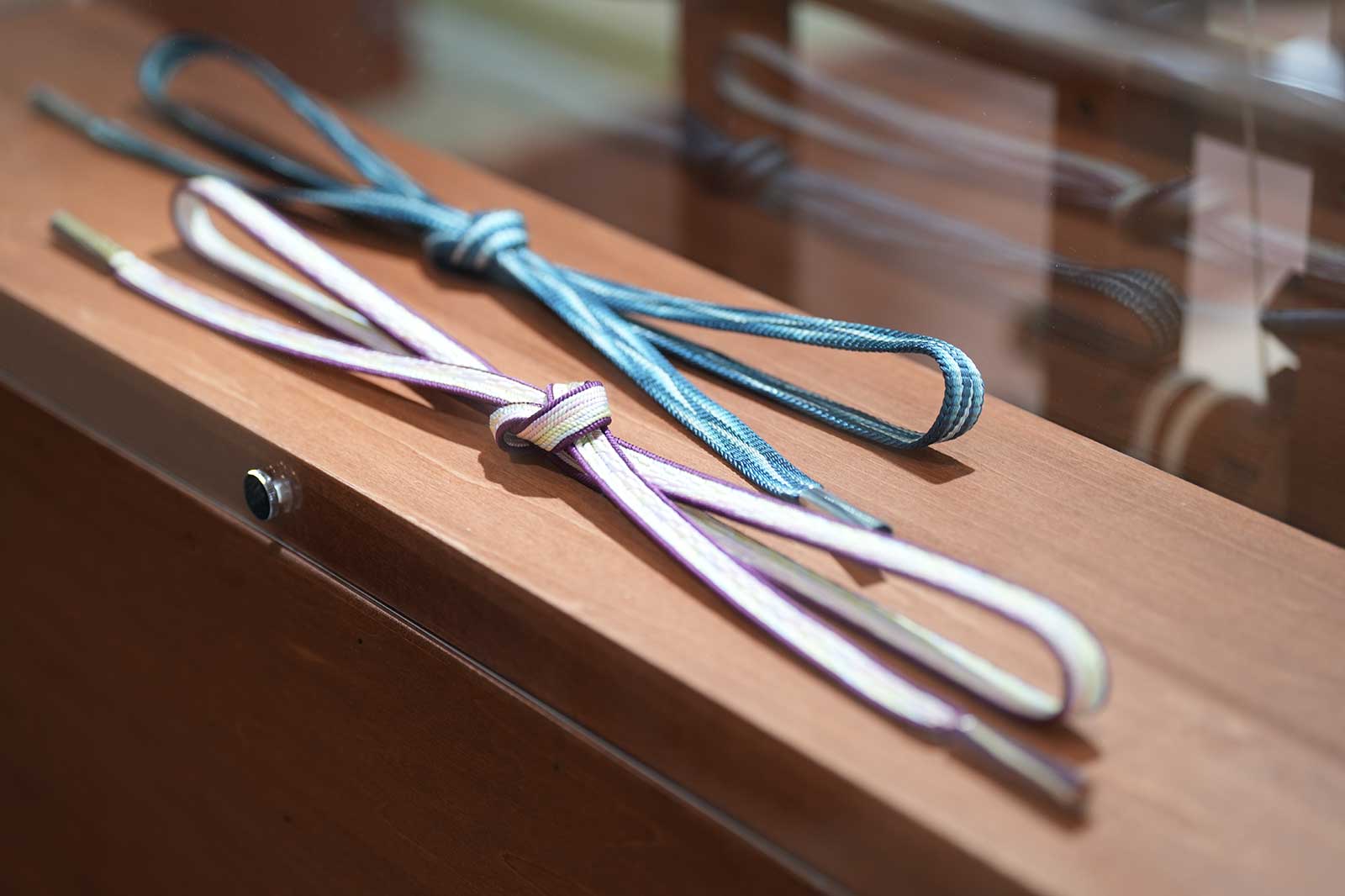
The process of creating braided threads begins with attaching the threads to a knot, and then multiple bundles of threads are combined while working backward from the desired pattern. In fact, the preparation before braiding accounts for almost half of the process, and the finished product is born from the accumulation of meticulous handiwork. It is a technique that supports Japanese clothing culture, such as the obi sashes used for kimonos.
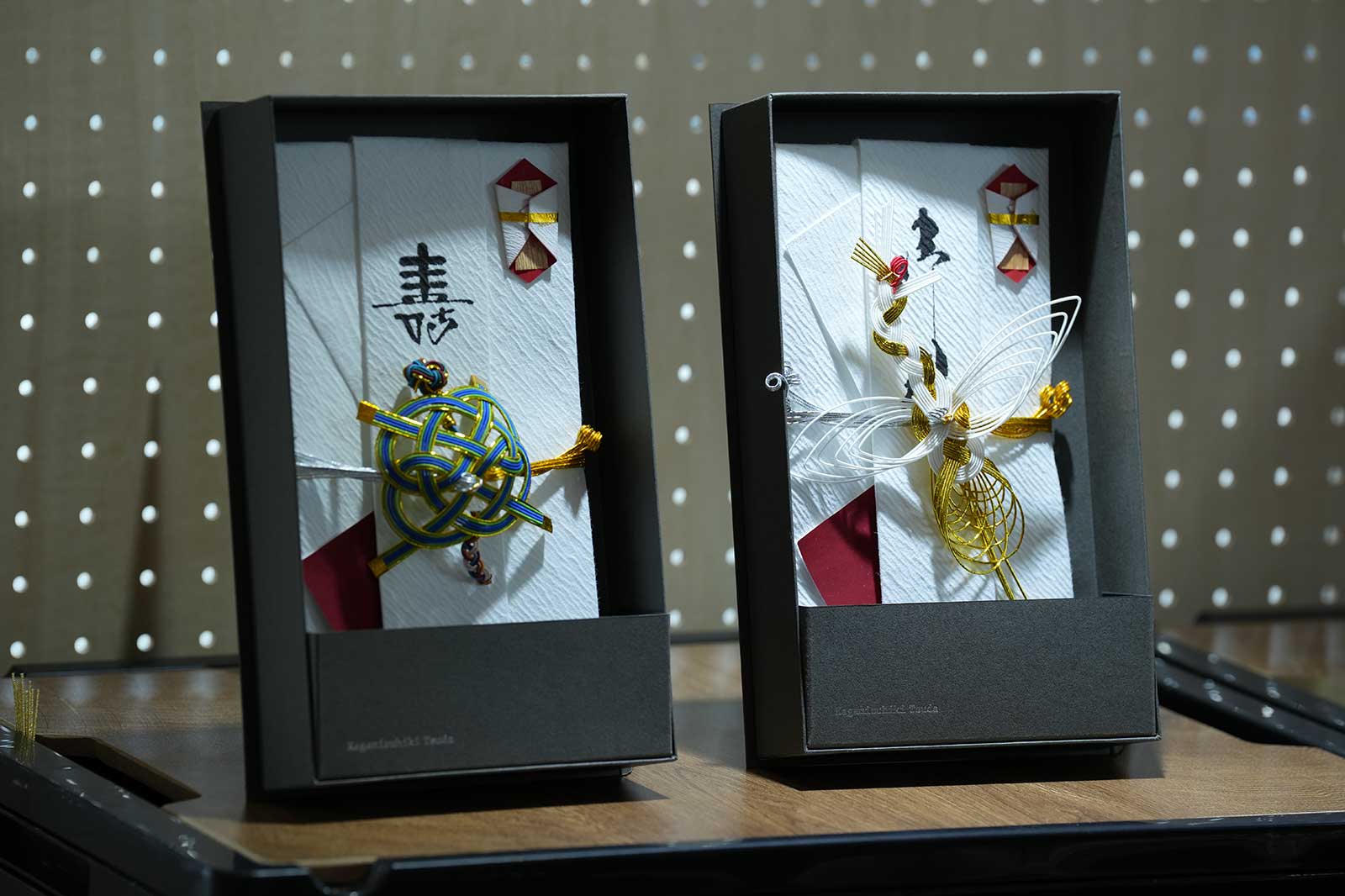
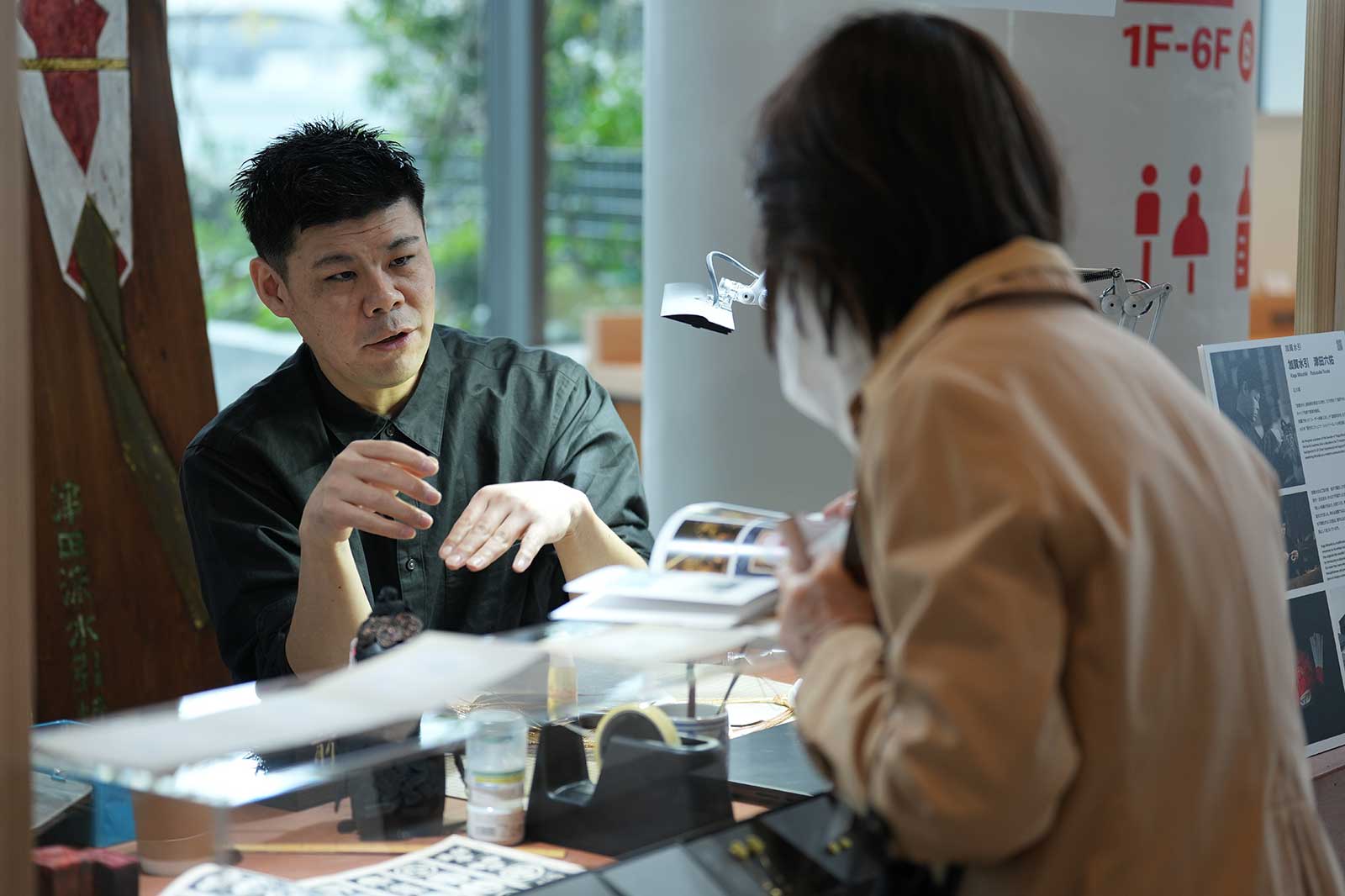
[Ishikawa] Kaga Mizuhiki (decorative cord) by Rokusuke Tsuda
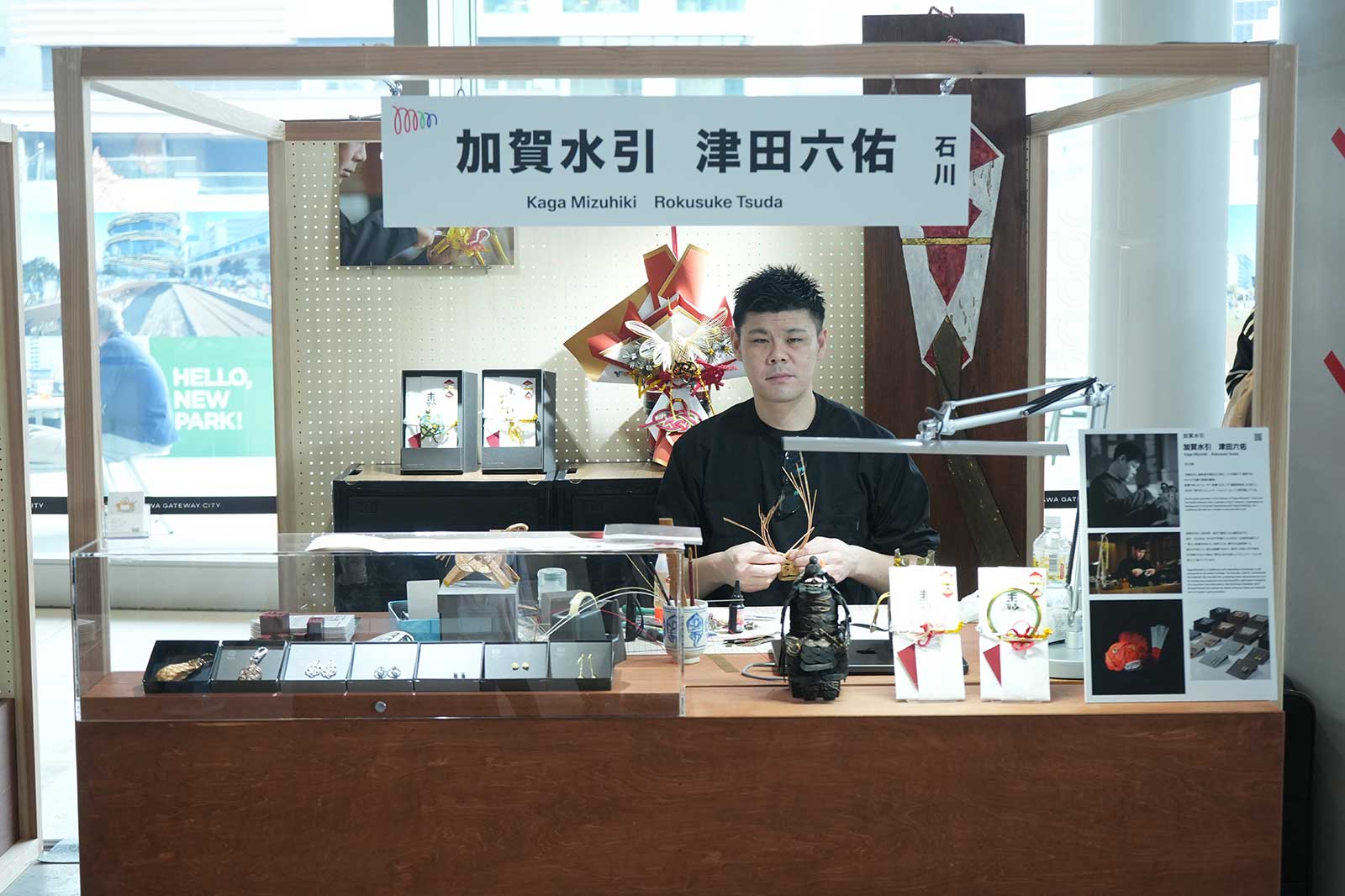
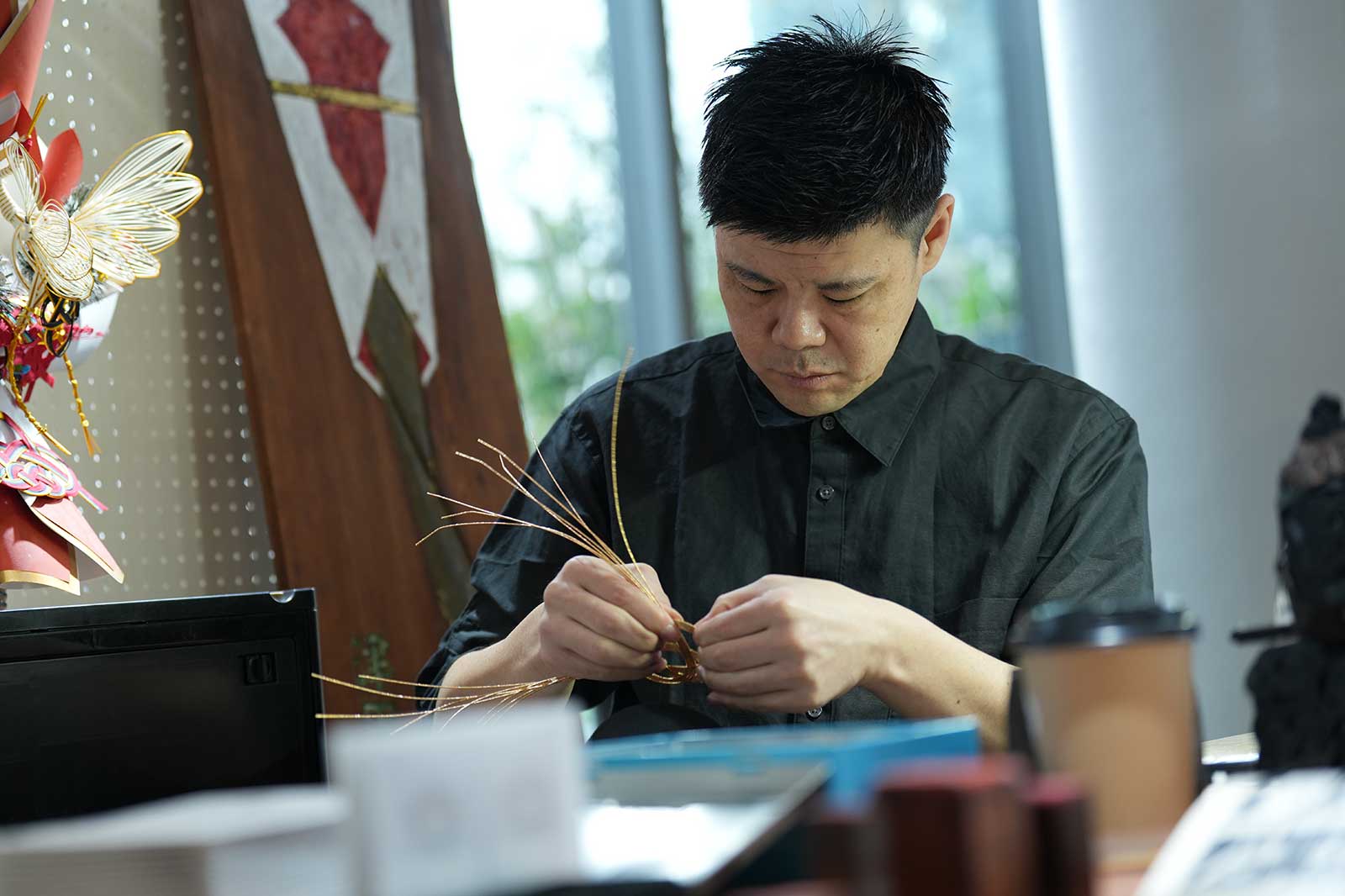
Kaga Mizuhiki is characterized by its three-dimensional mizuhiki (decorative cord) craftsmanship and folding techniques. The three-dimensional folding techniques and mizuhiki craftsmanship devised by the first generation Tsuda Sokichi still form the basis of production today, approximately 100 years later.
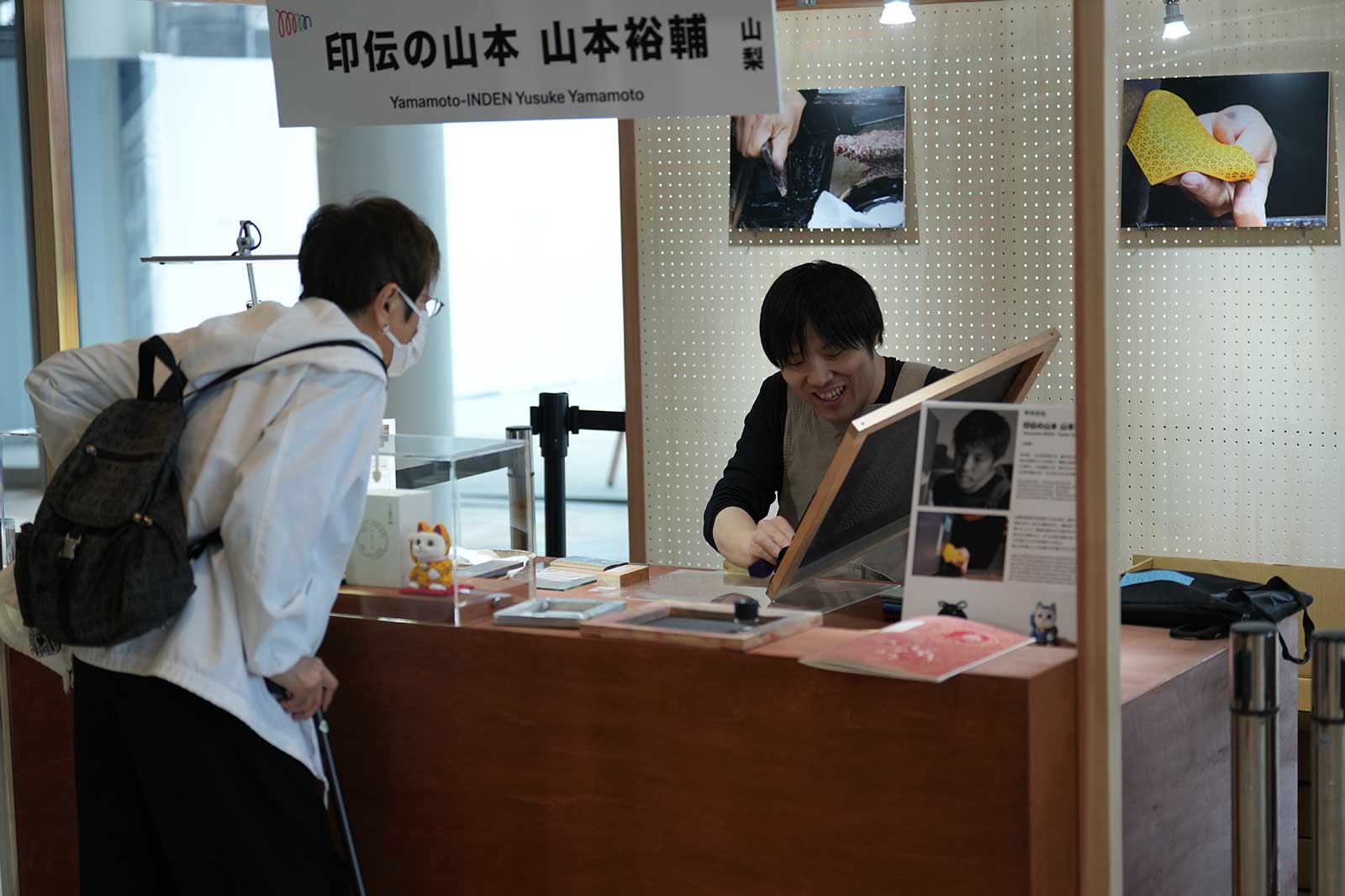
[Yamanashi] Inden no Yamamoto, Yusuke Yamamoto
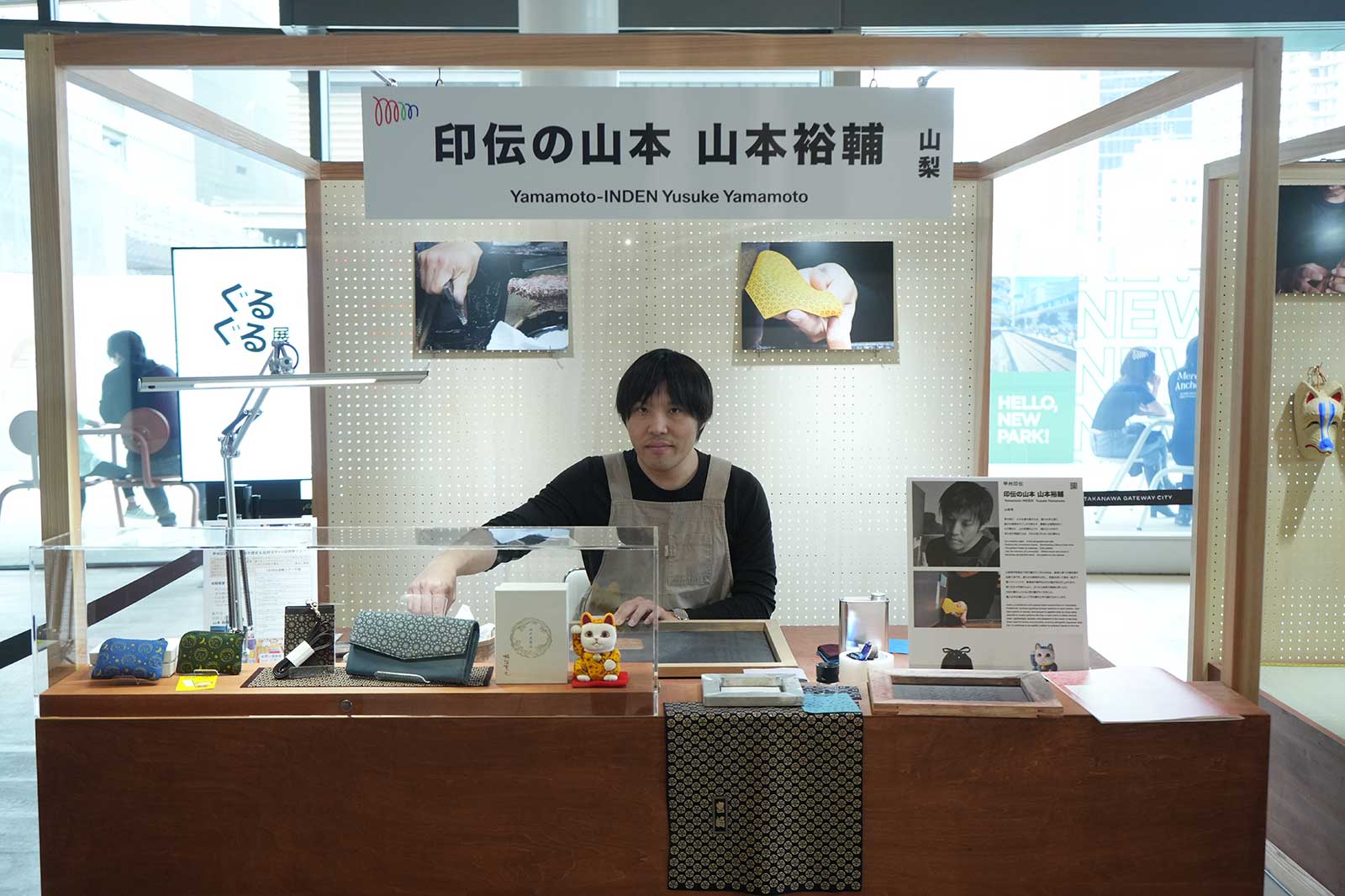
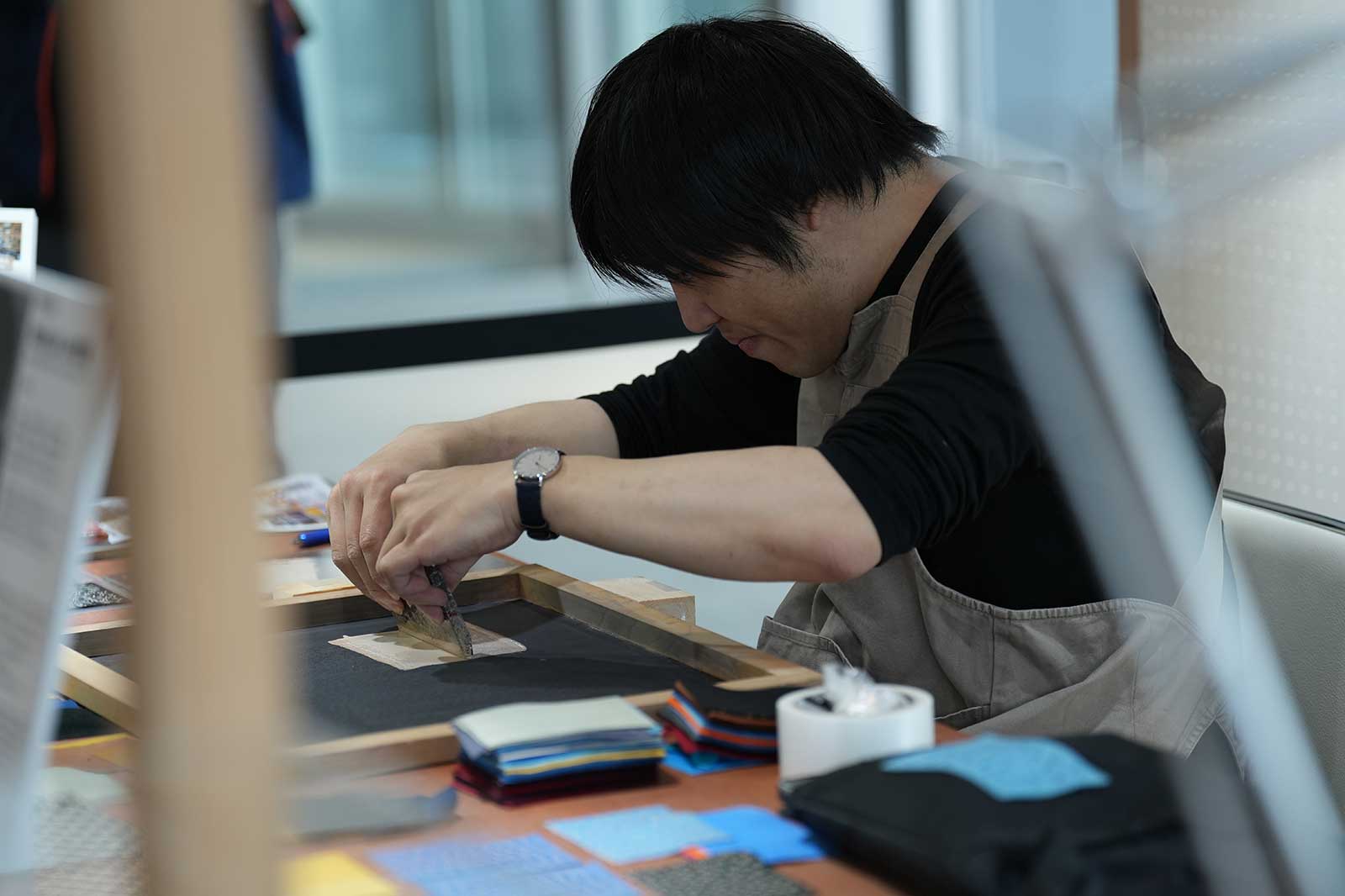
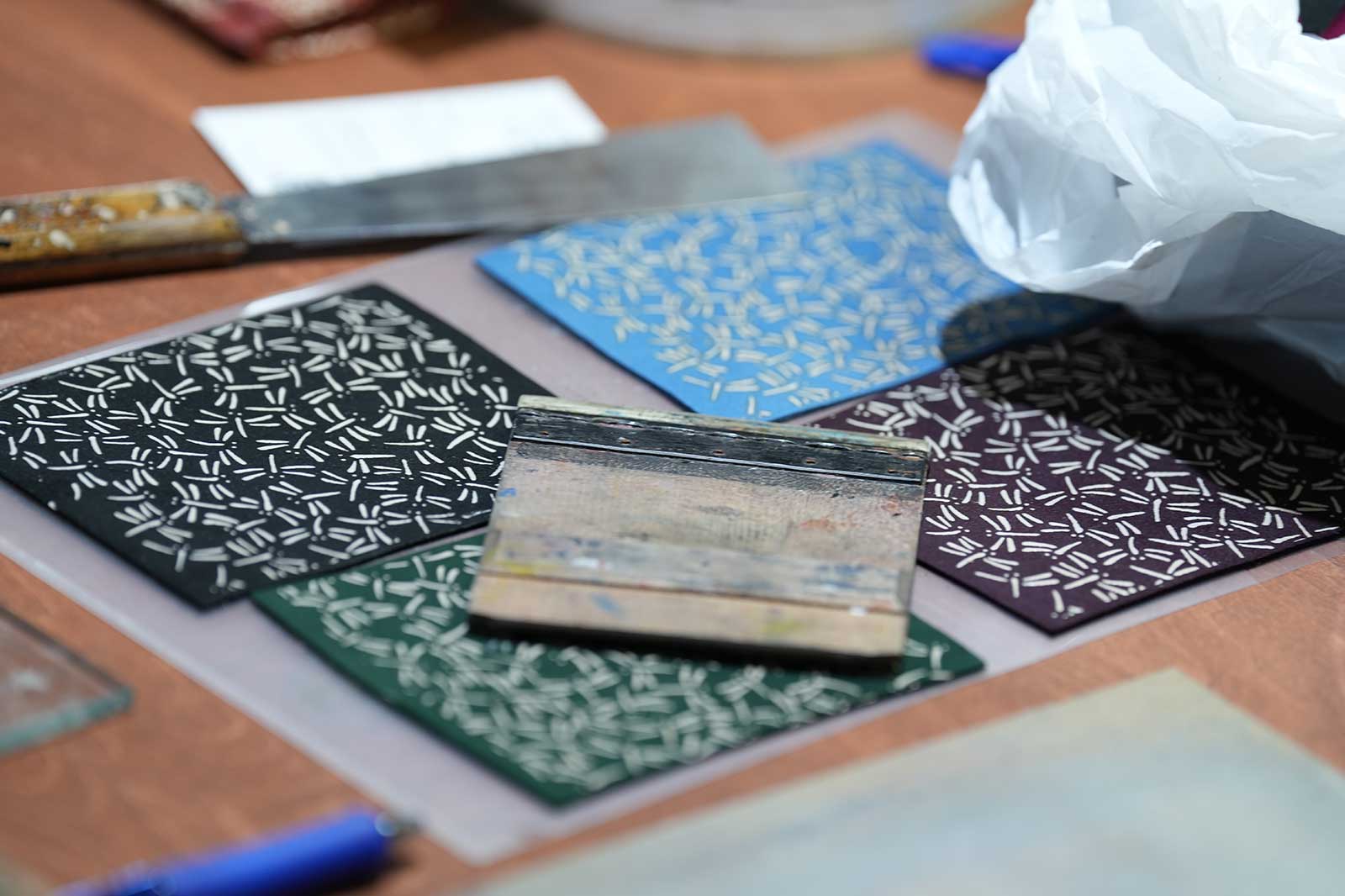
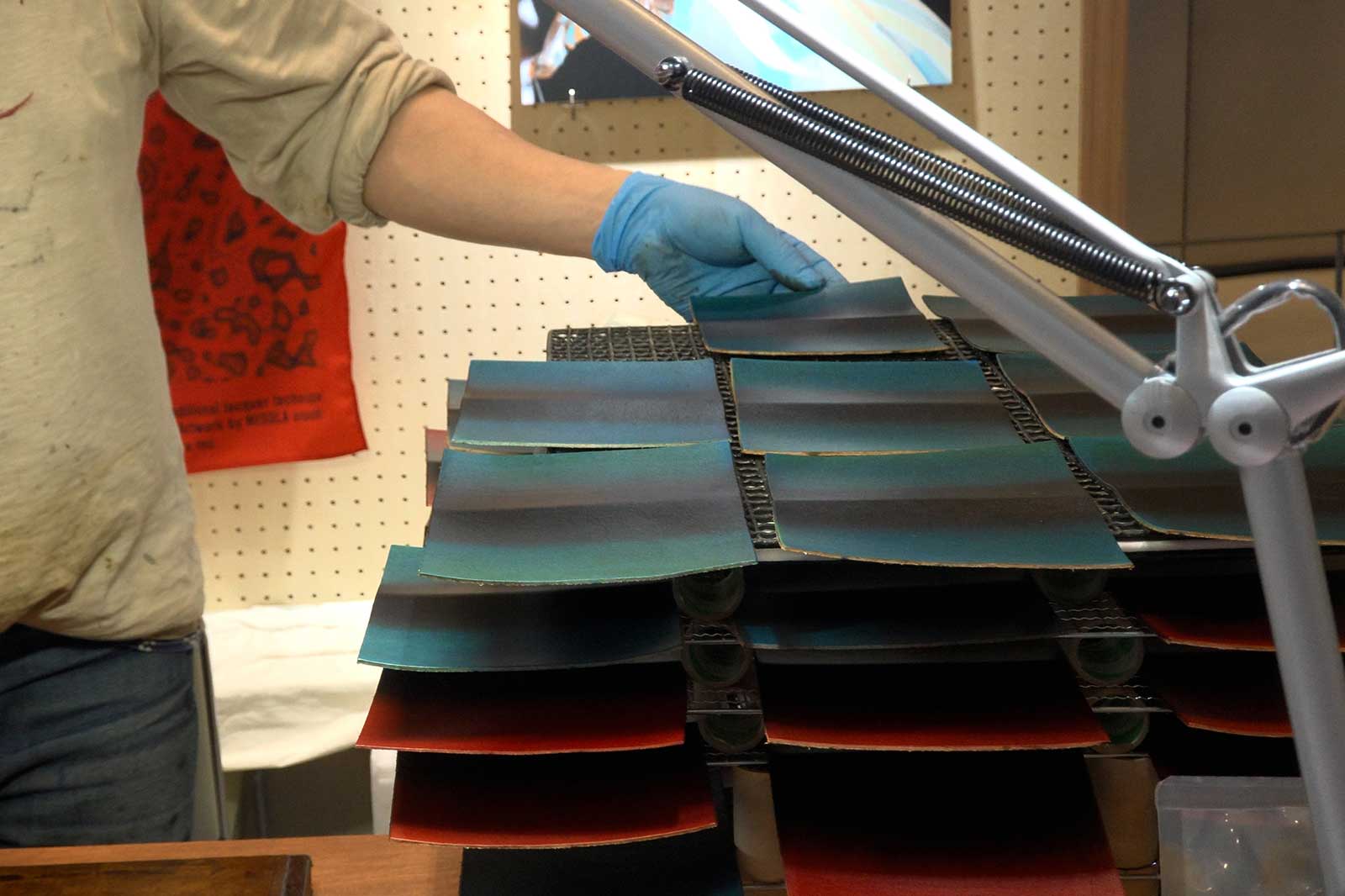
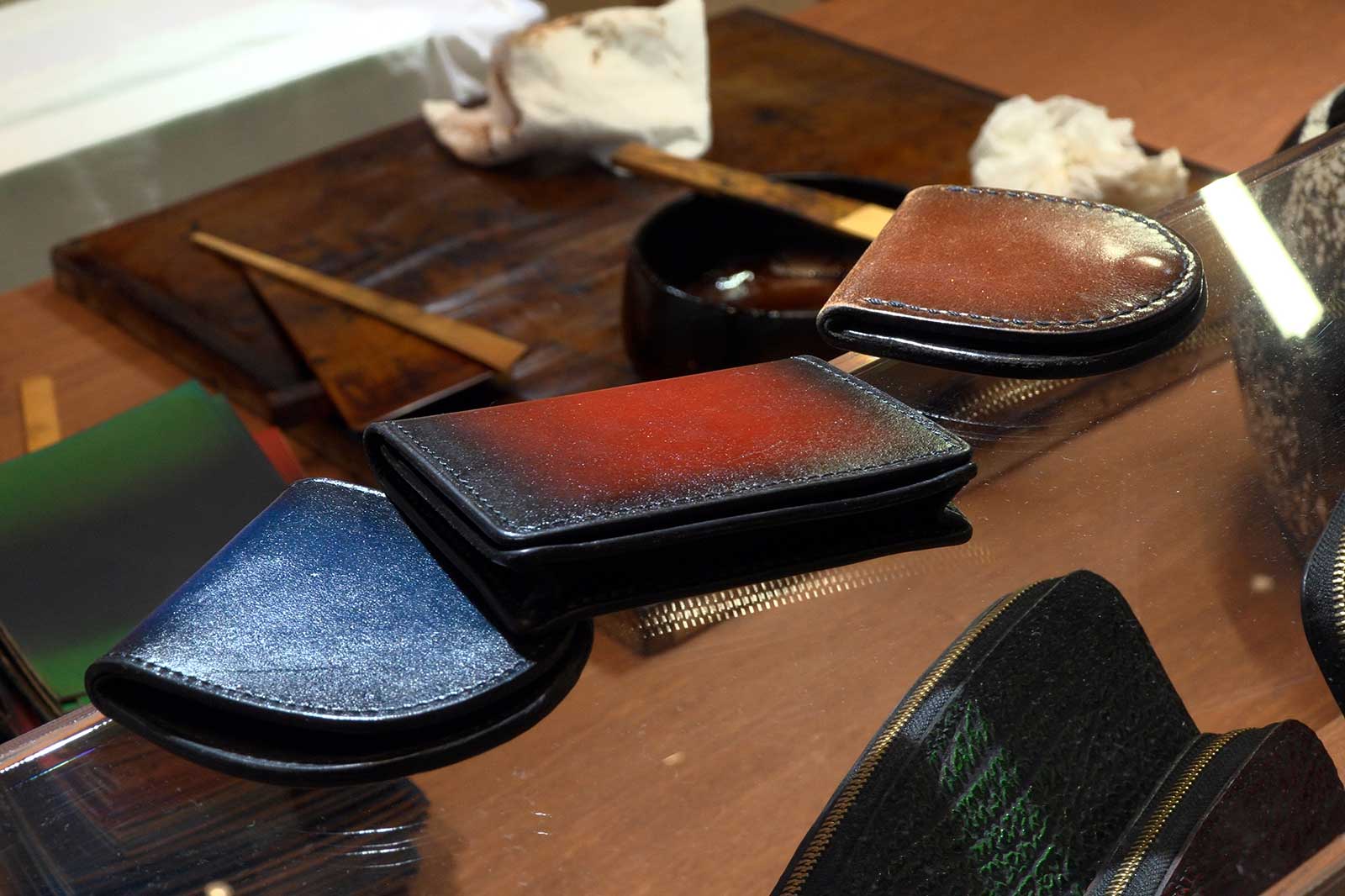
Koshu Inden is a traditional craft from Yamanashi Prefecture, where patterns are applied to deerskin using lacquer. The diverse and intricate patterns create beautiful everyday items that add a touch of elegance to your life.
[Nagano] Misora Urushi Craft
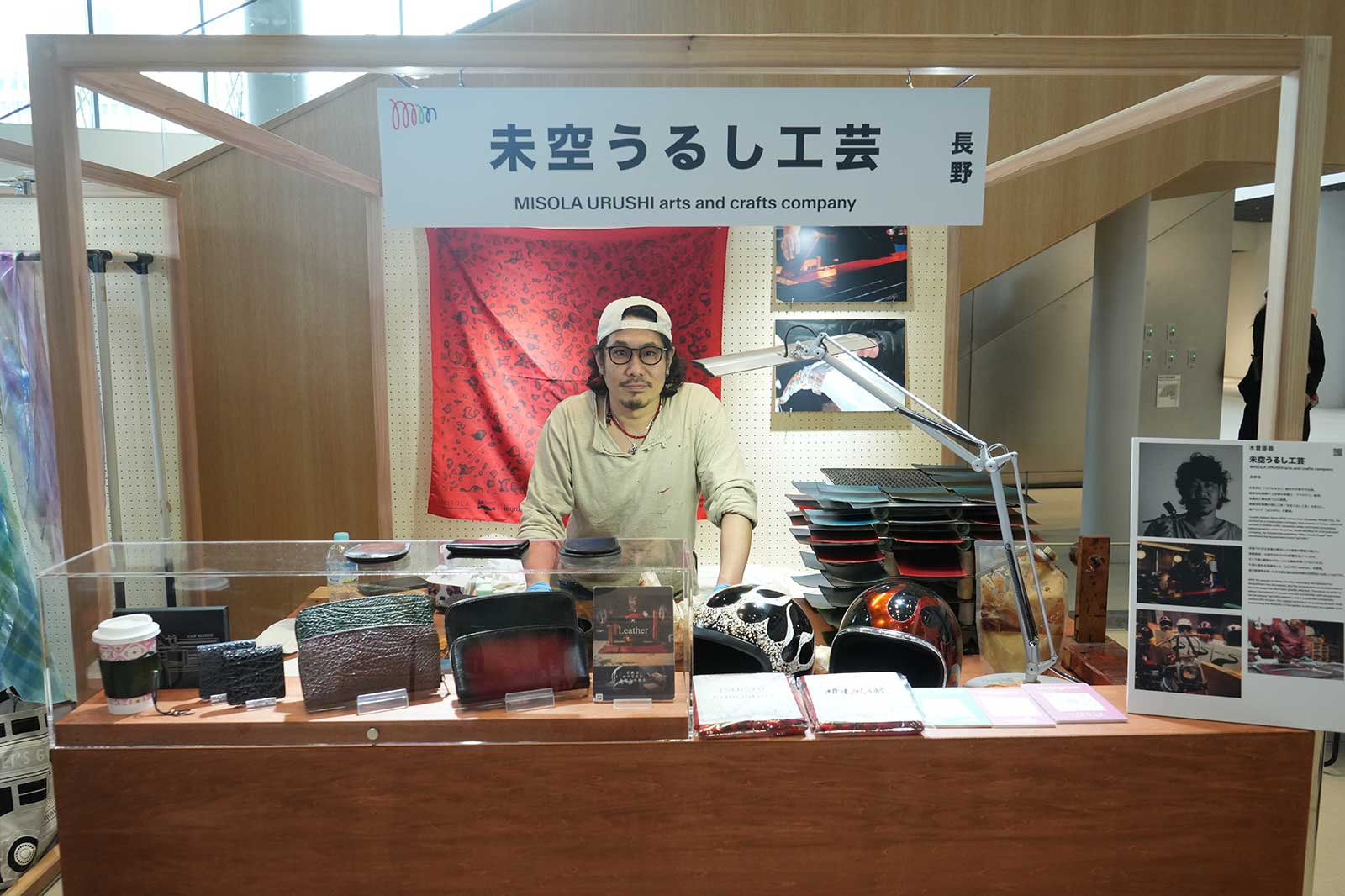
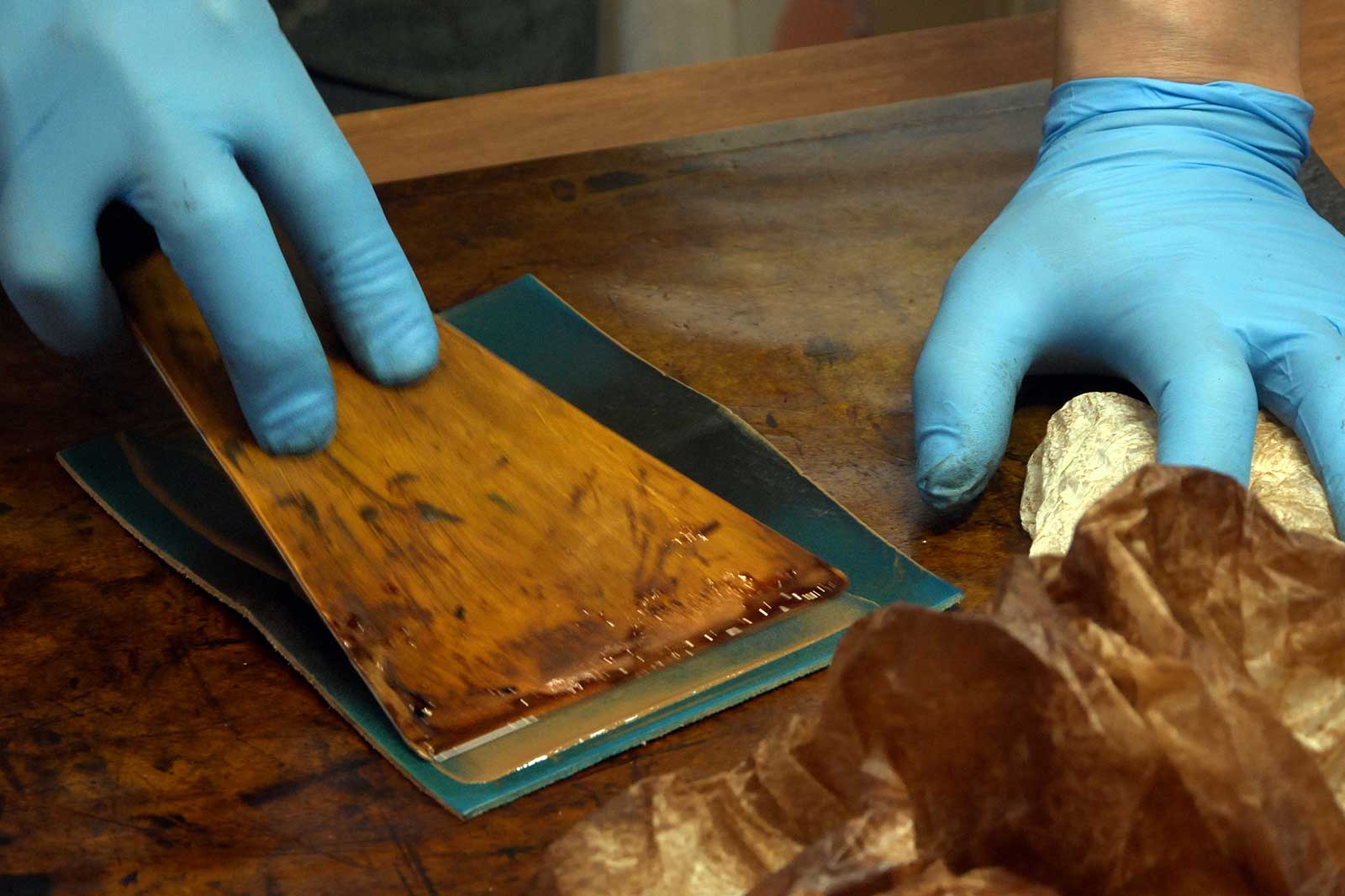
Located in Kiso-Hirasawa, Shiojiri City, a town that has long flourished as a center for lacquerware, this workshop carries on traditional techniques while creating new lacquerware products. Their impressive works were on display at this exhibition.
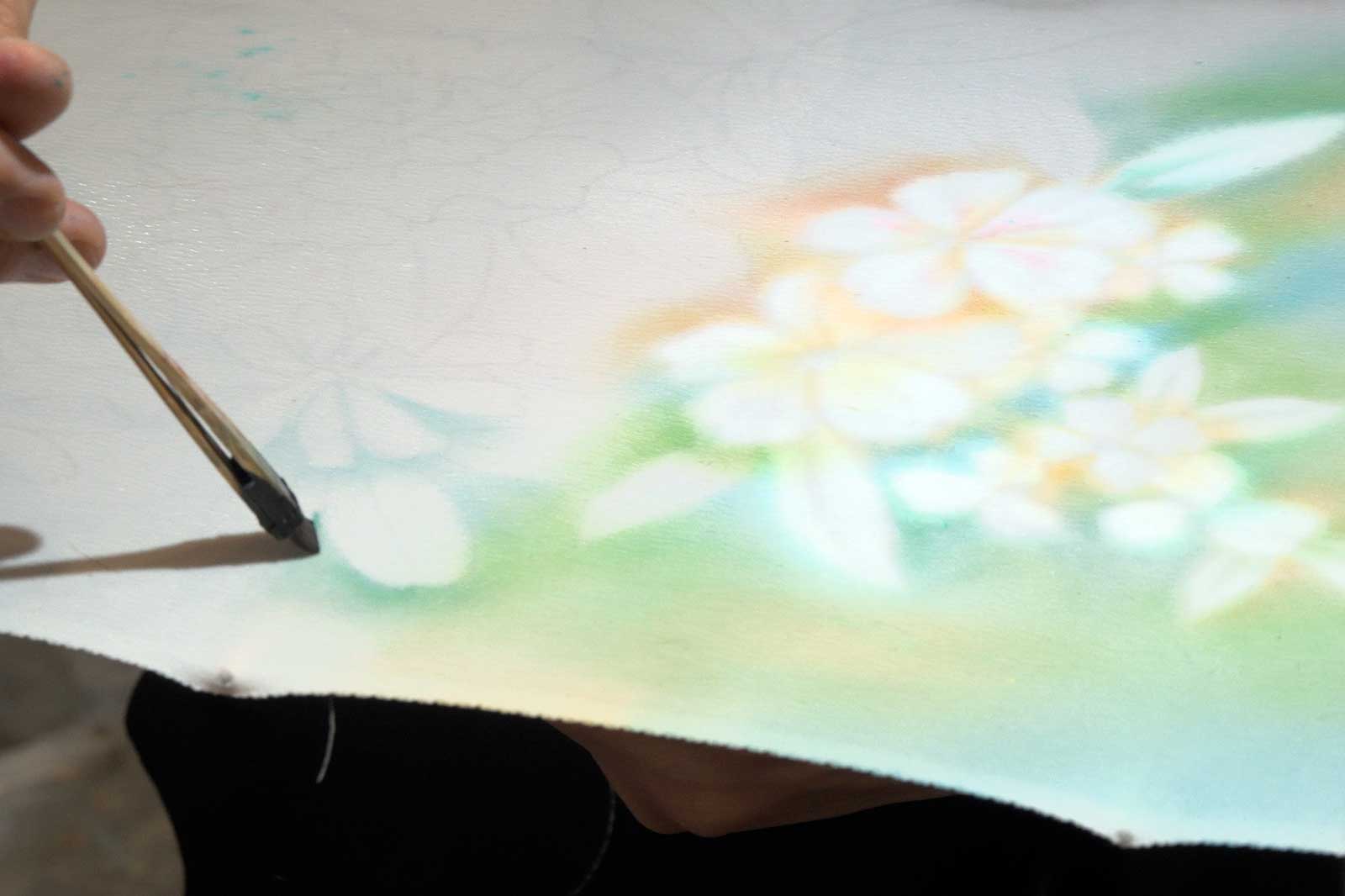
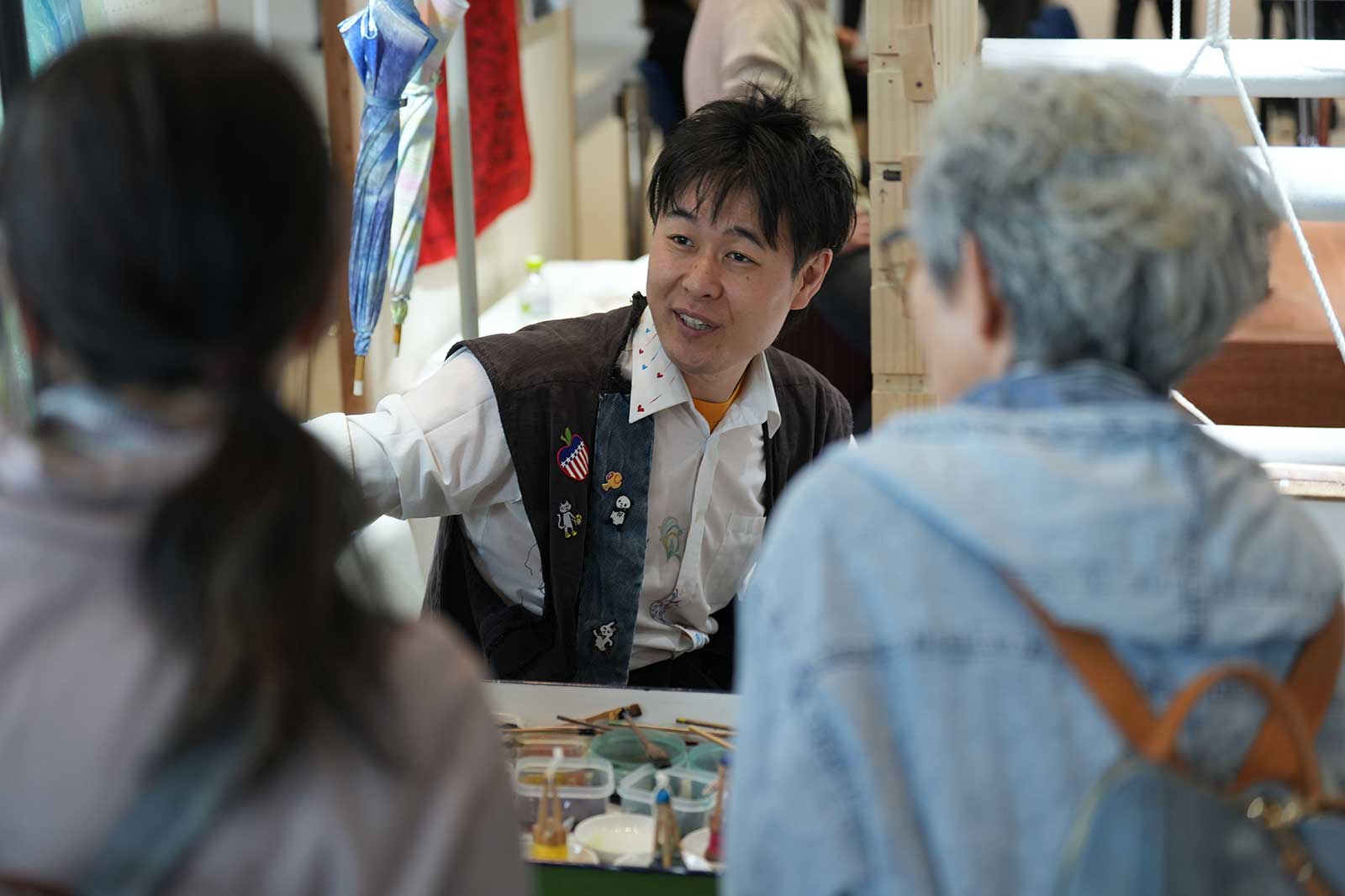
[Kyoto] Kazesaizome Kazuma Kobo Yohei
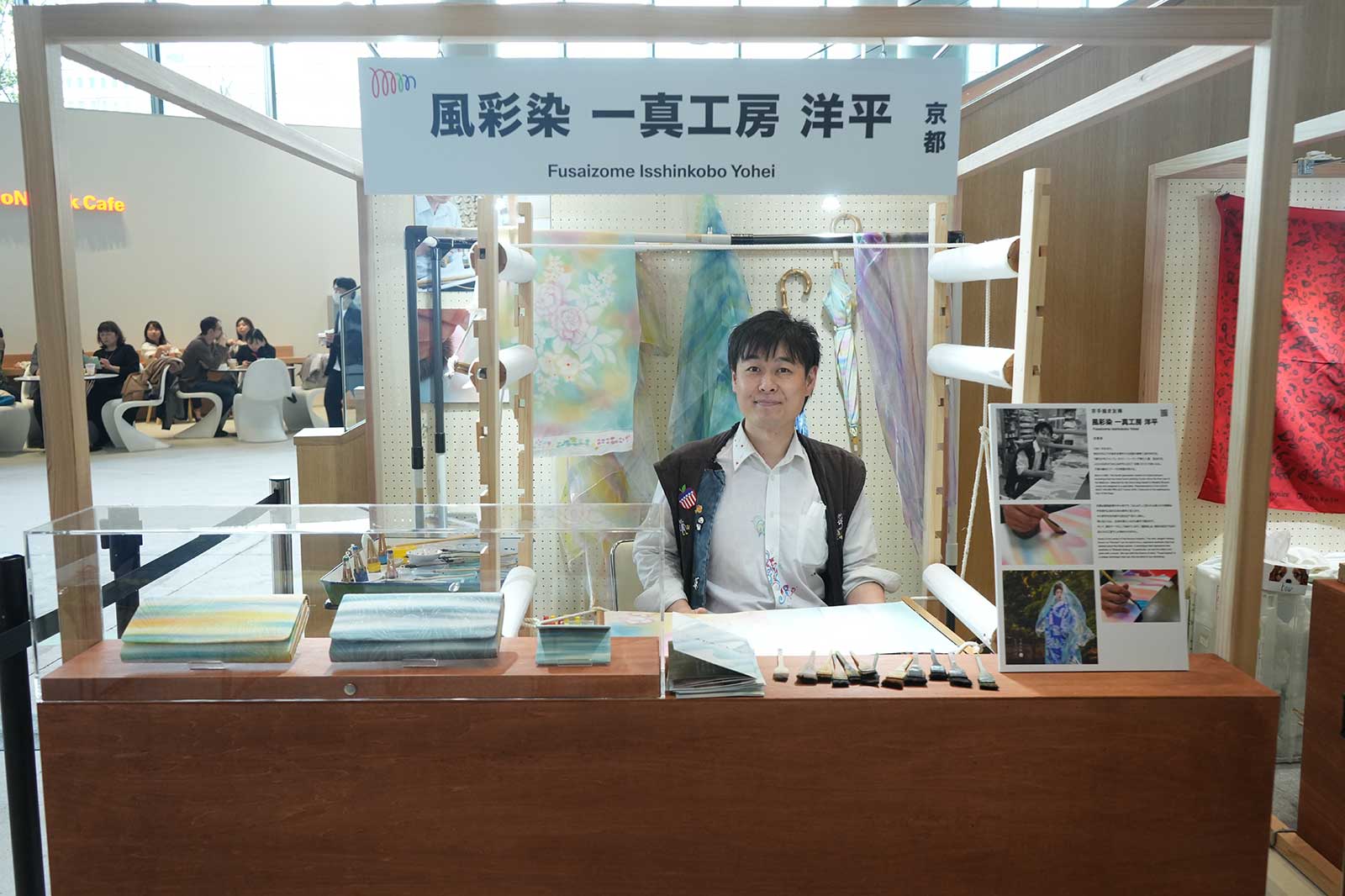
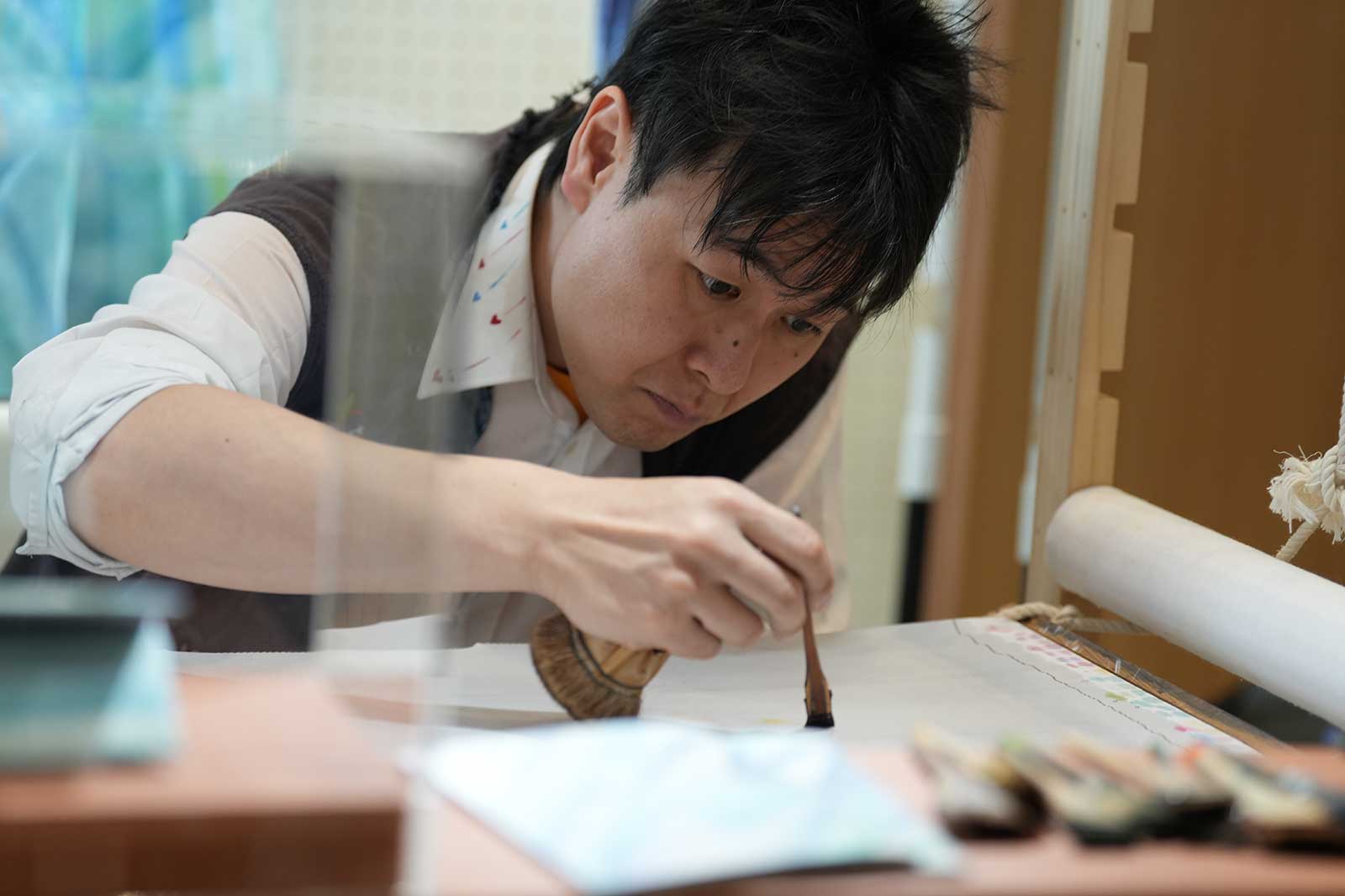
The kimono was dyed using a blurring technique, with wind as the theme. Many people were captivated by the soft, beautiful, and comforting colors that evoked the feeling of being enveloped in a gentle breeze.
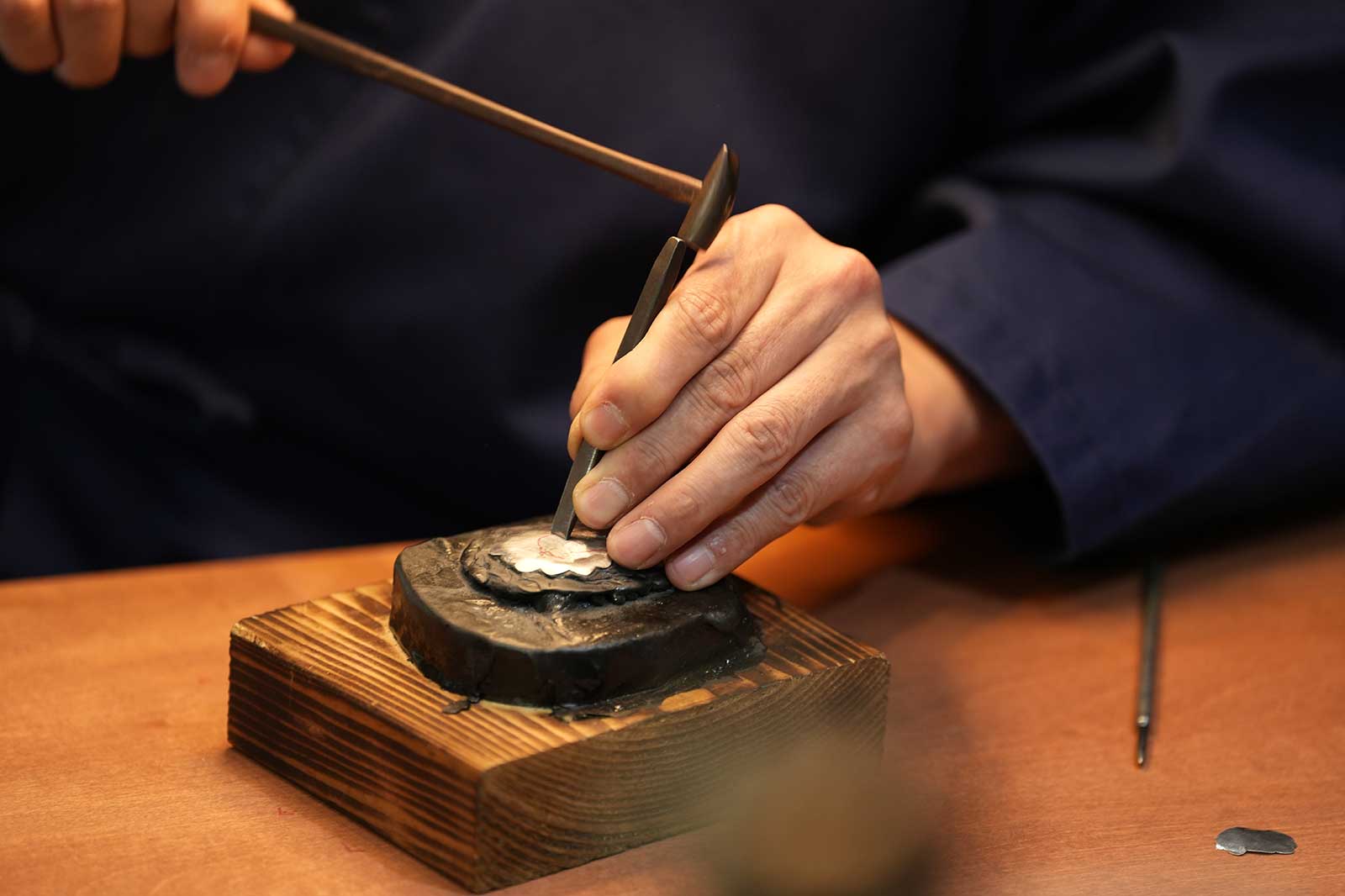
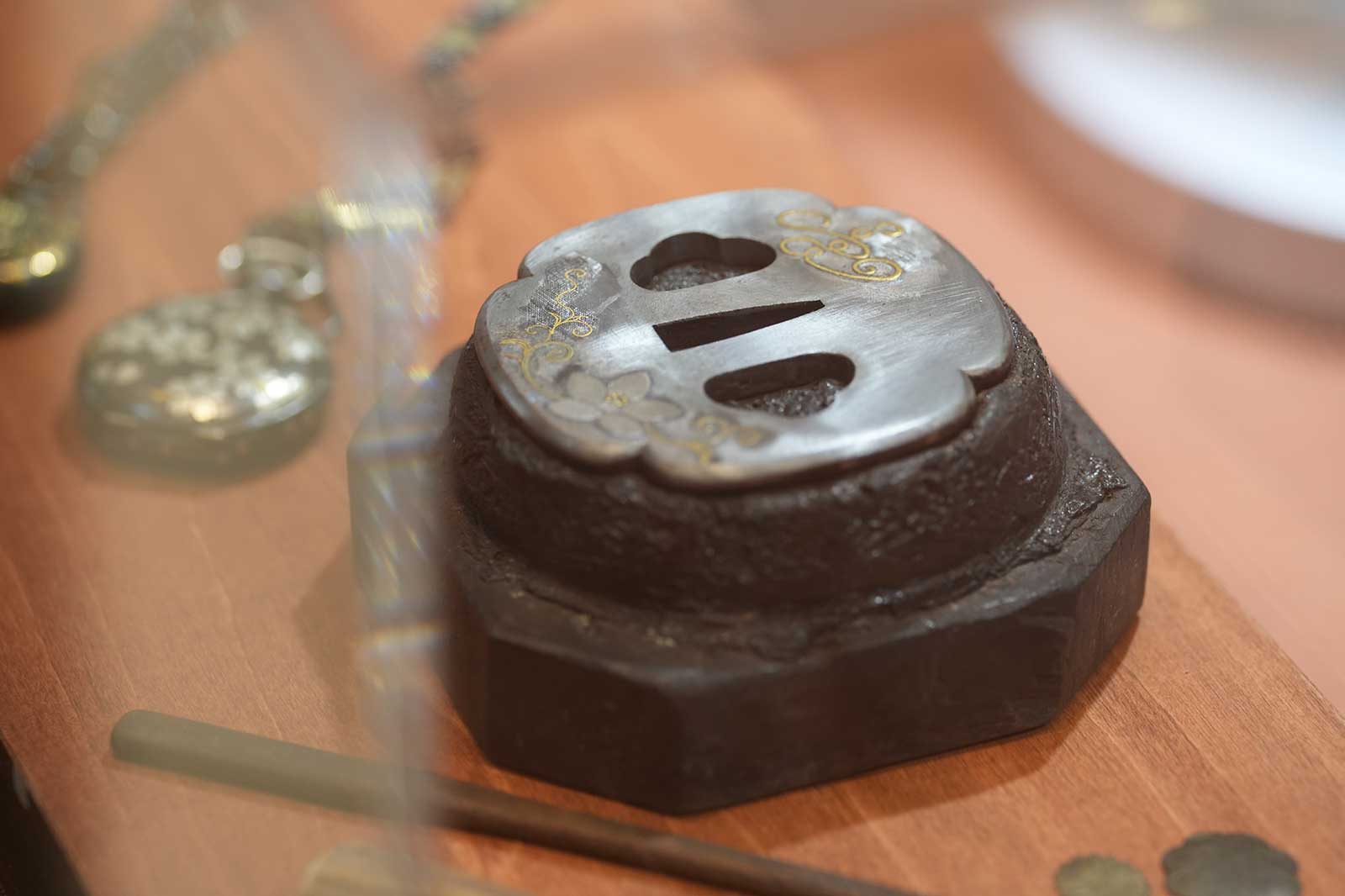
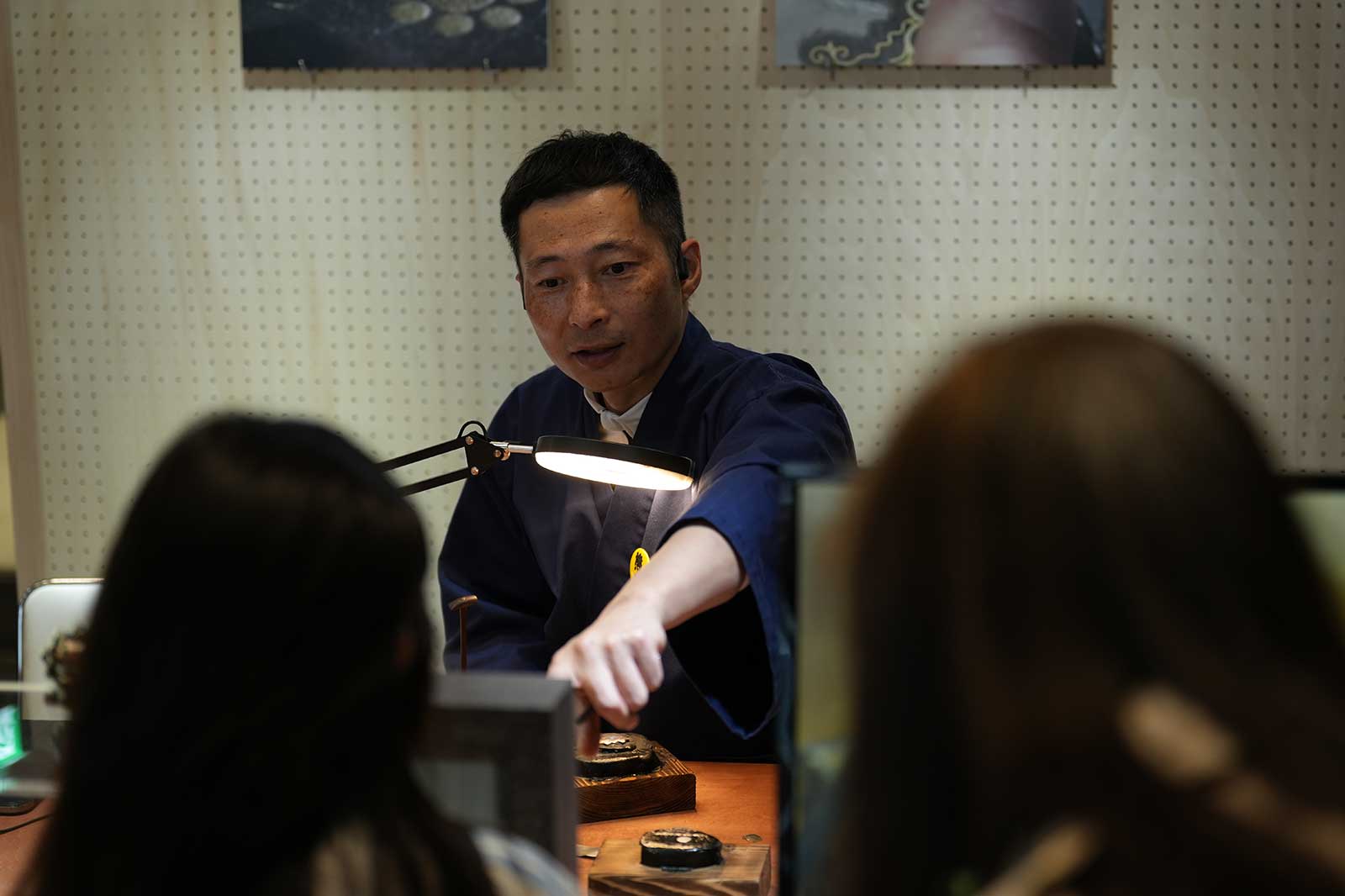
[Kumamoto] Higo Inlay Works: Kentaro Inada, Mitsuhide
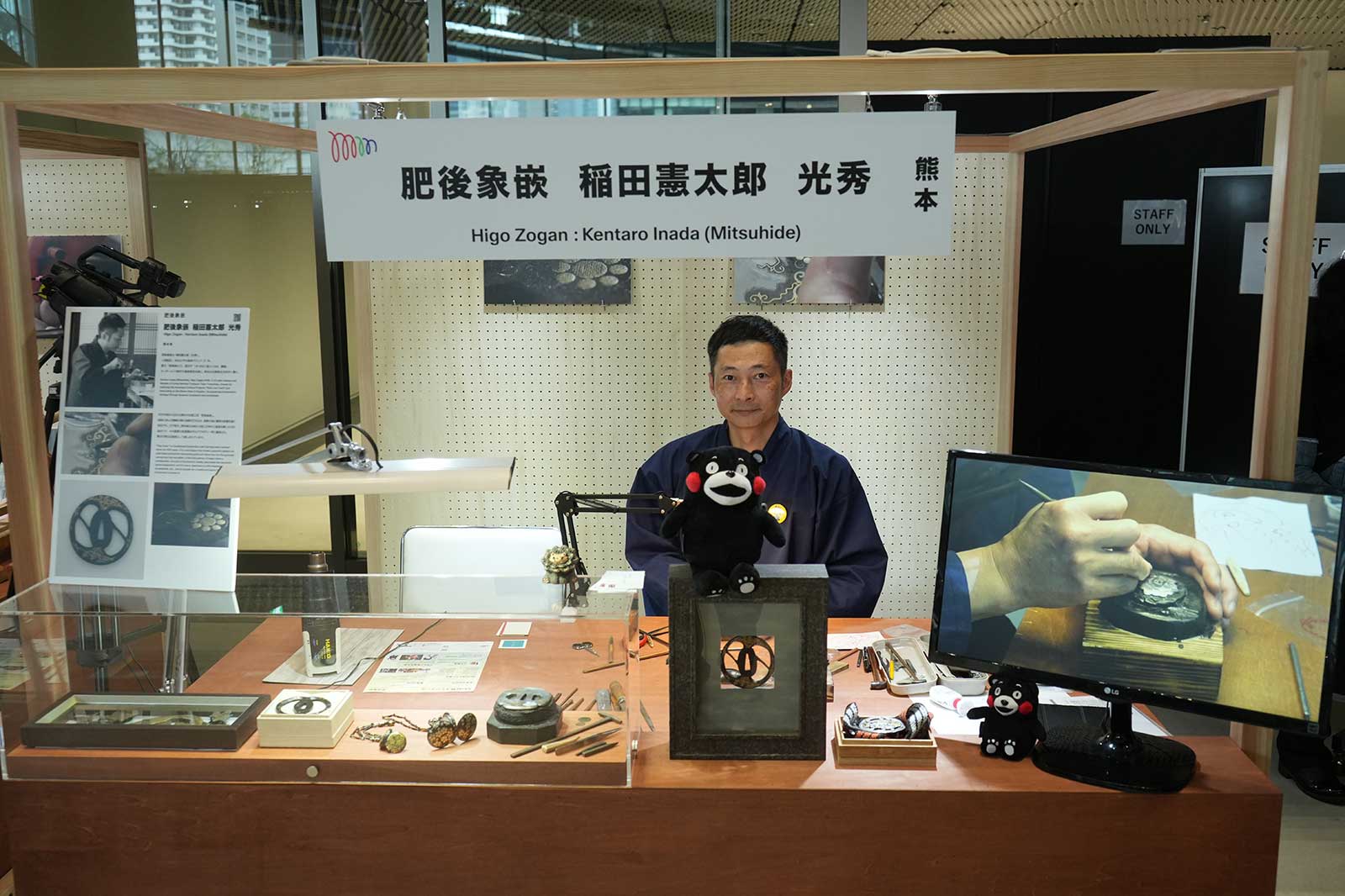
Higo inlay, a technique developed in Kumamoto Prefecture as a decorative element for sword guards (tsuba), involves finishing the base metal with only rust-colored pigments to create a deep black, and then inlaying gold and silver to create intricate patterns.
[Iwate] 16th generation Suzuki Morihisa
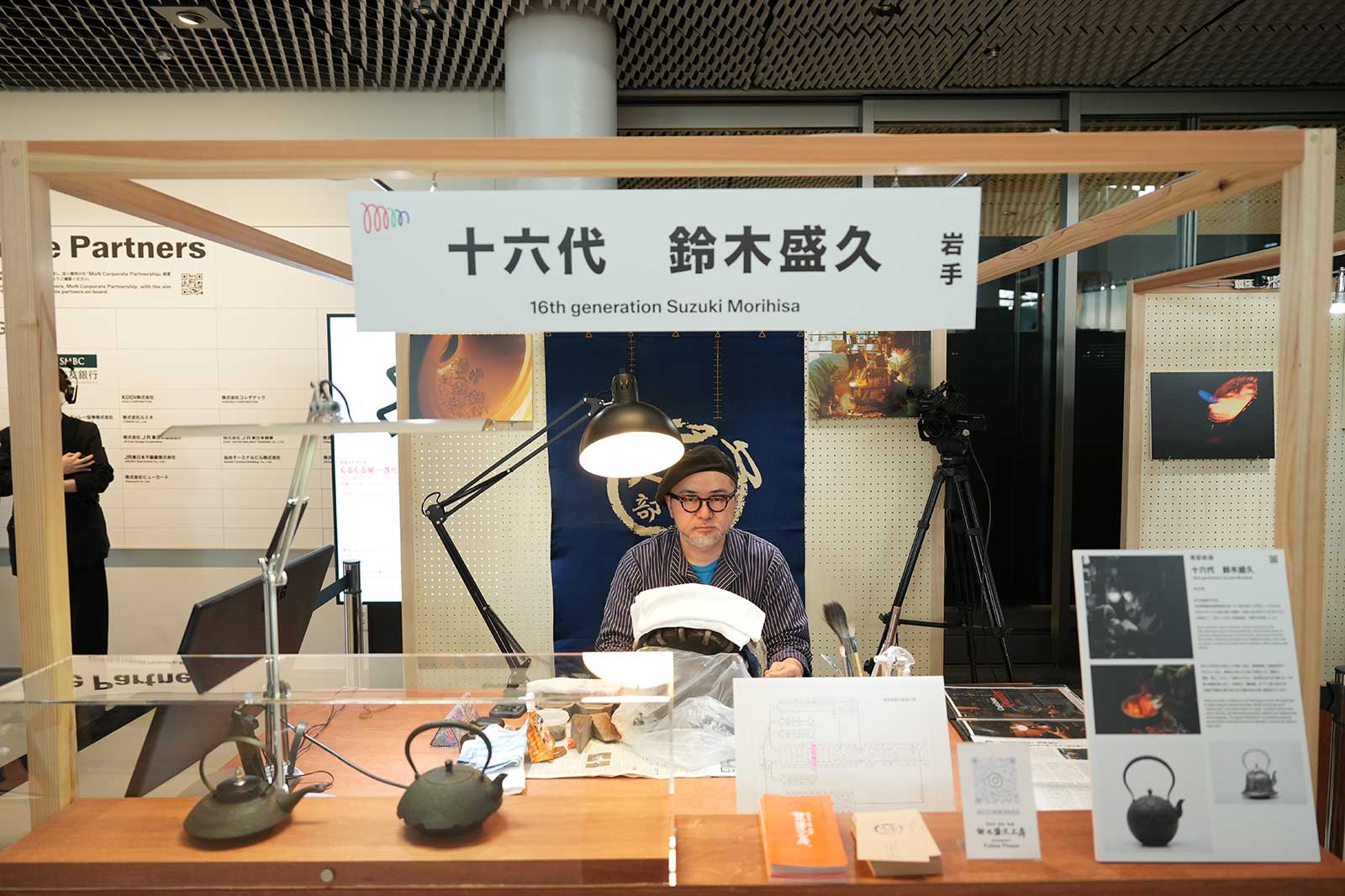
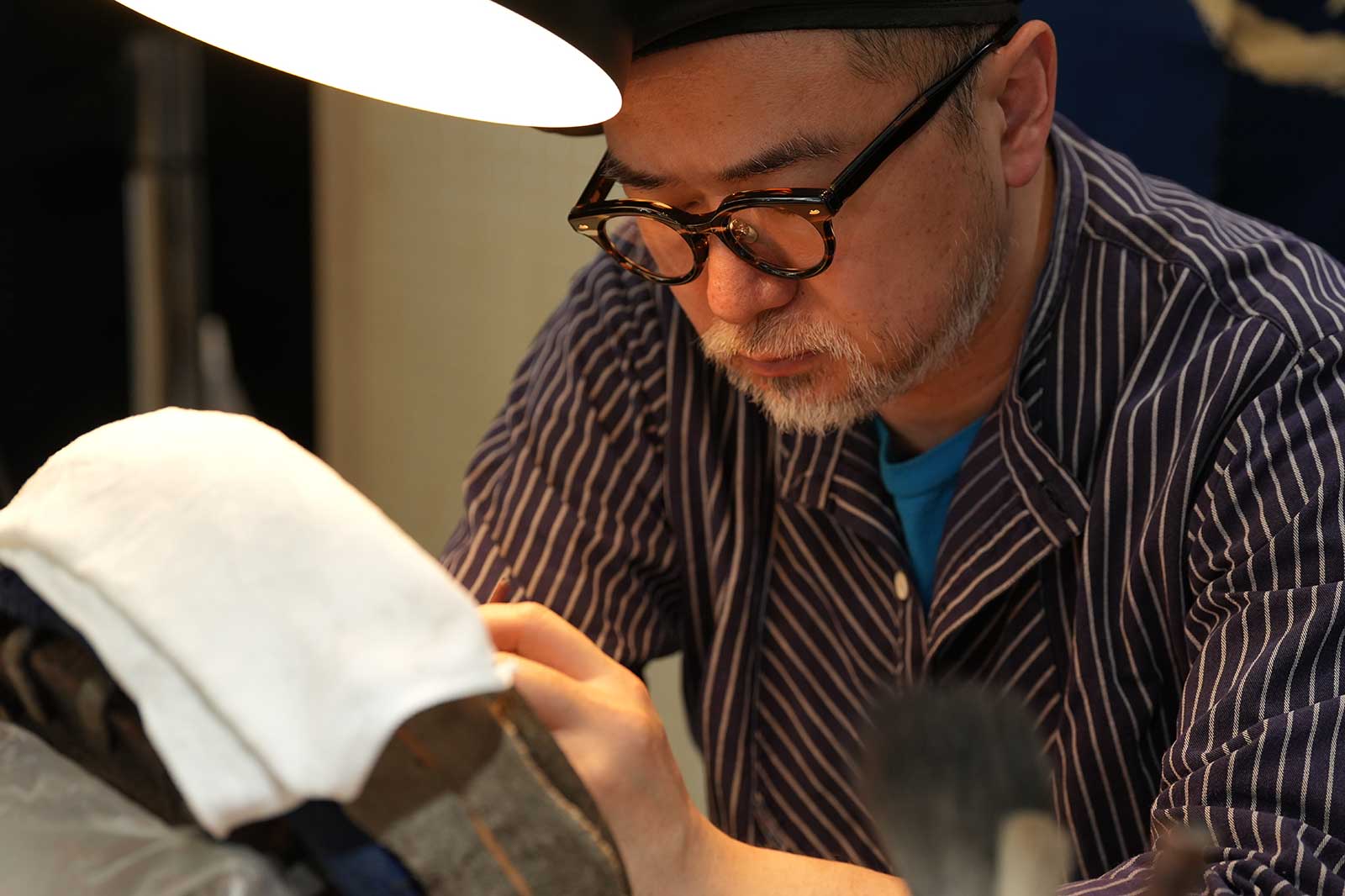
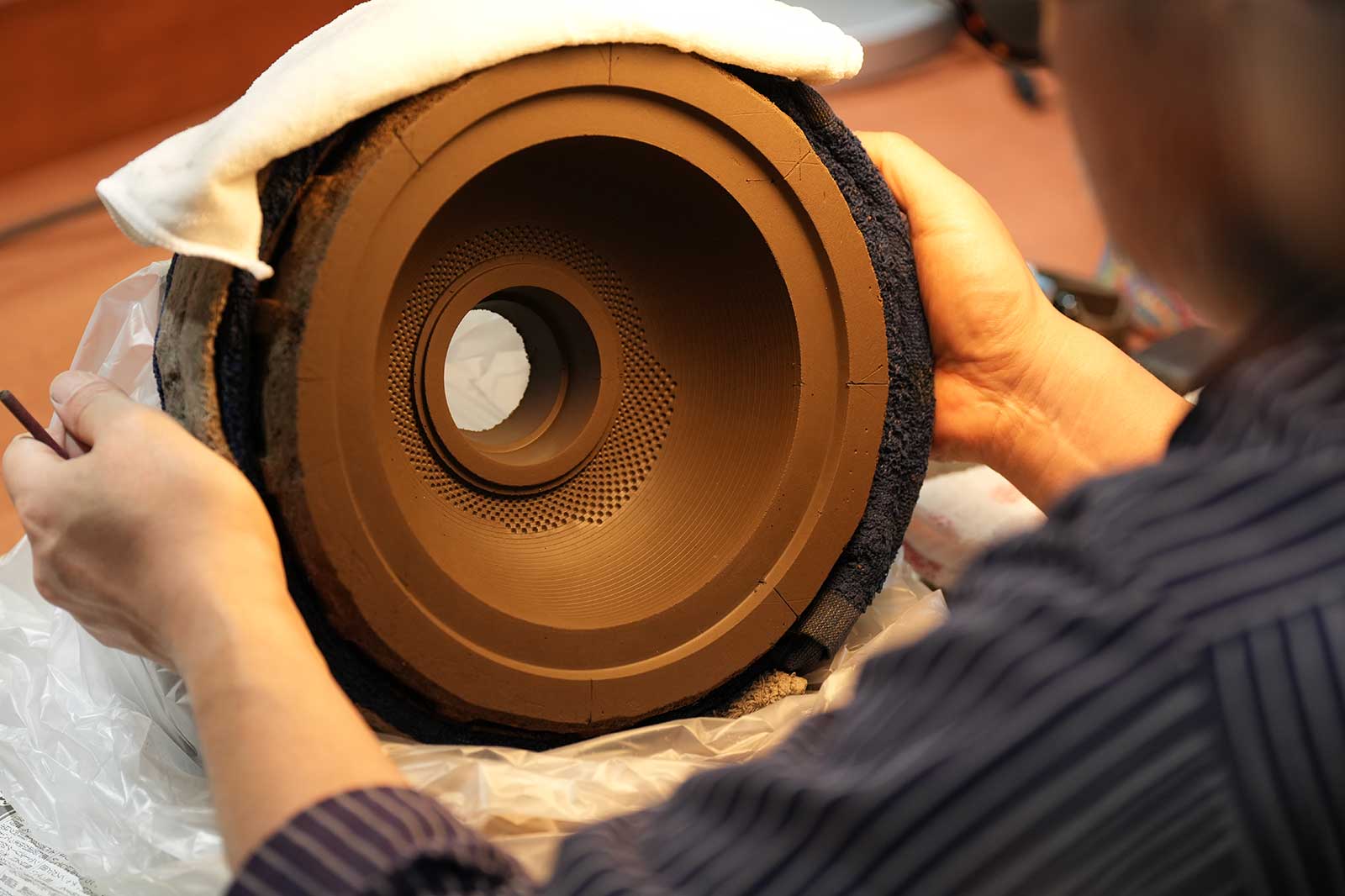
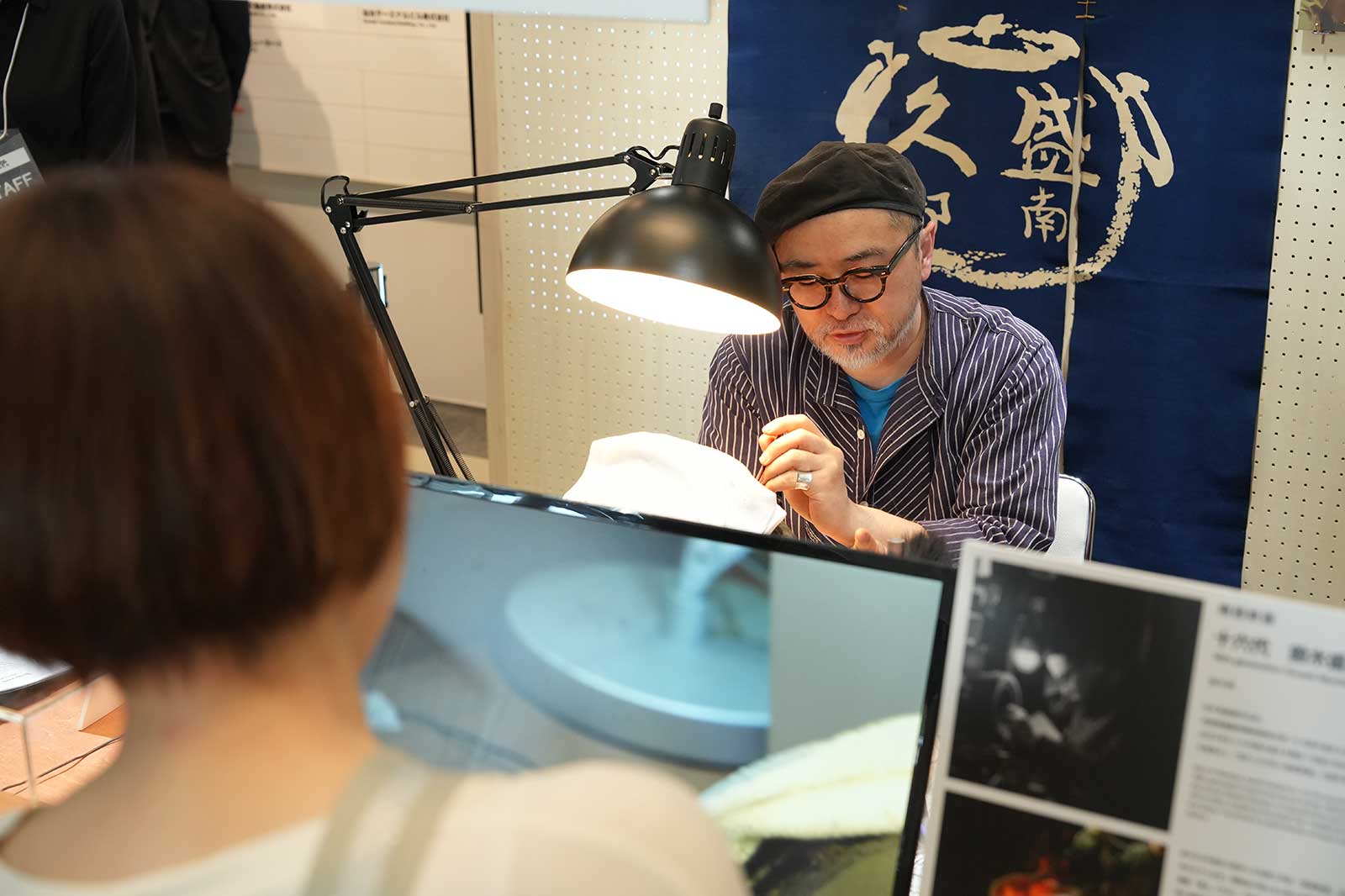
Nambu ironware has been passed down for approximately 400 years. Using inherited traditional techniques, they produce ironware such as tea kettles and iron teapots. At this exhibition, they demonstrated the mold-making process.
[Tokyo] Sotatsu Art Craft, Sotatsu Kamikawa
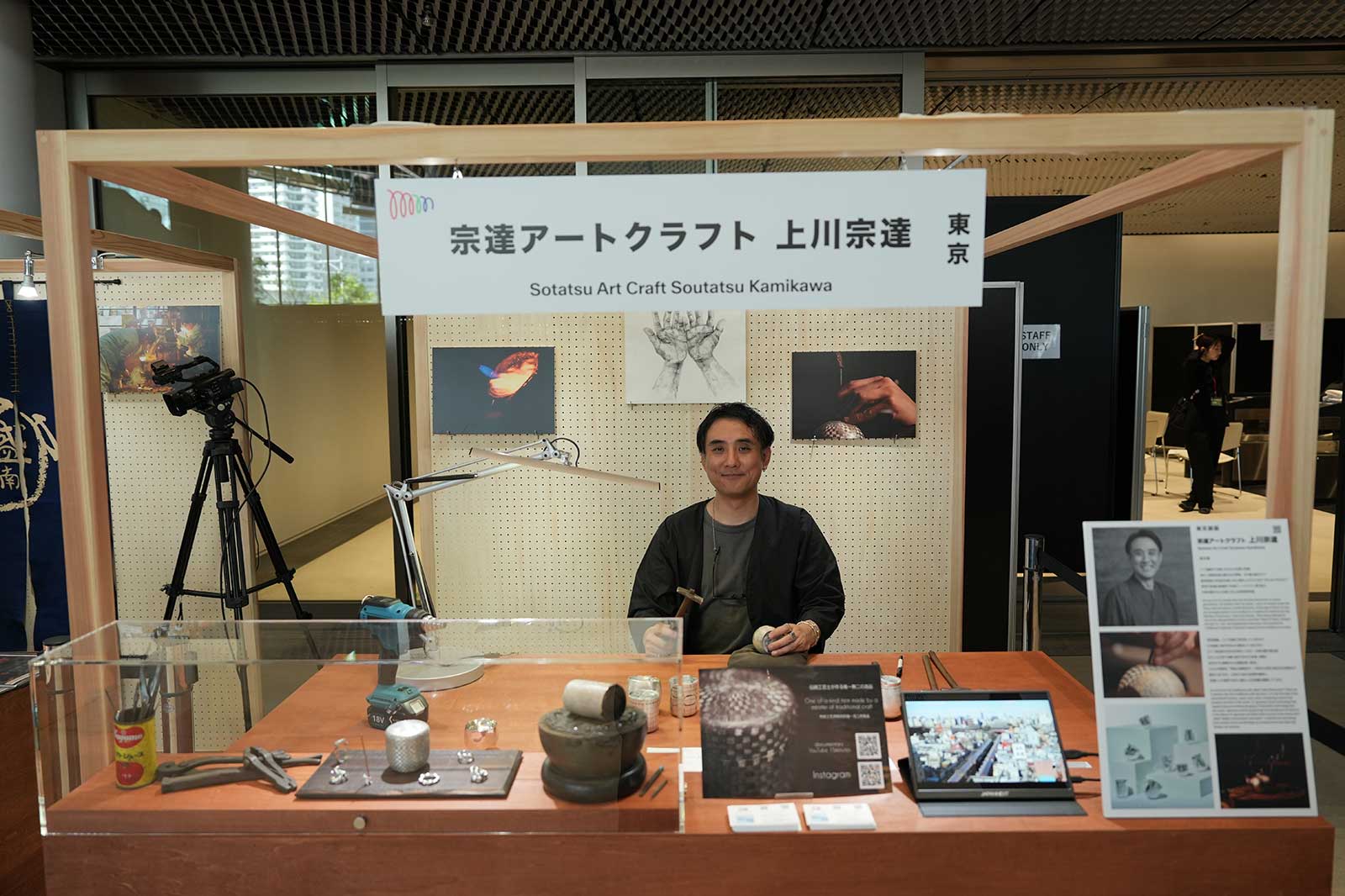
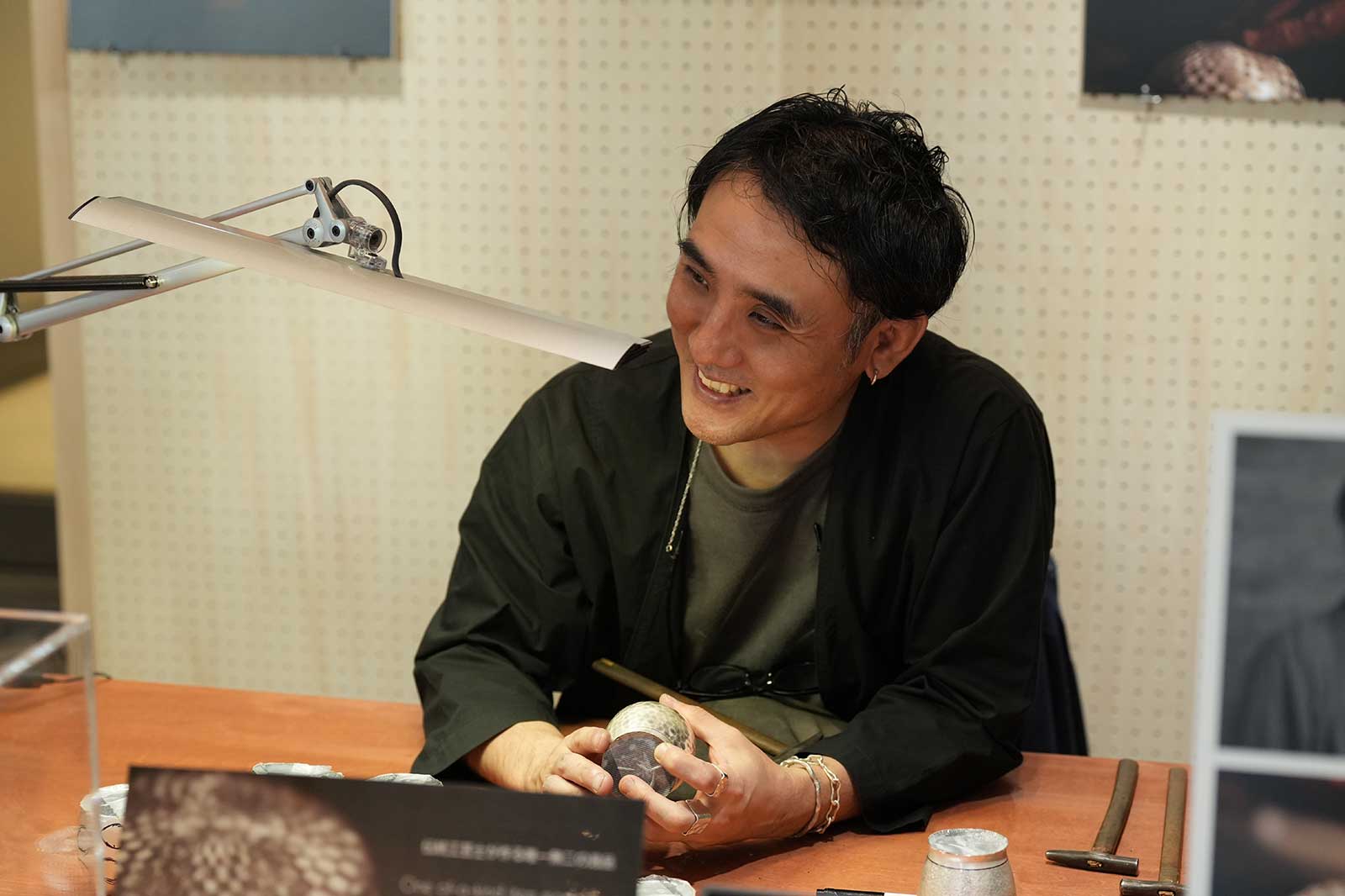
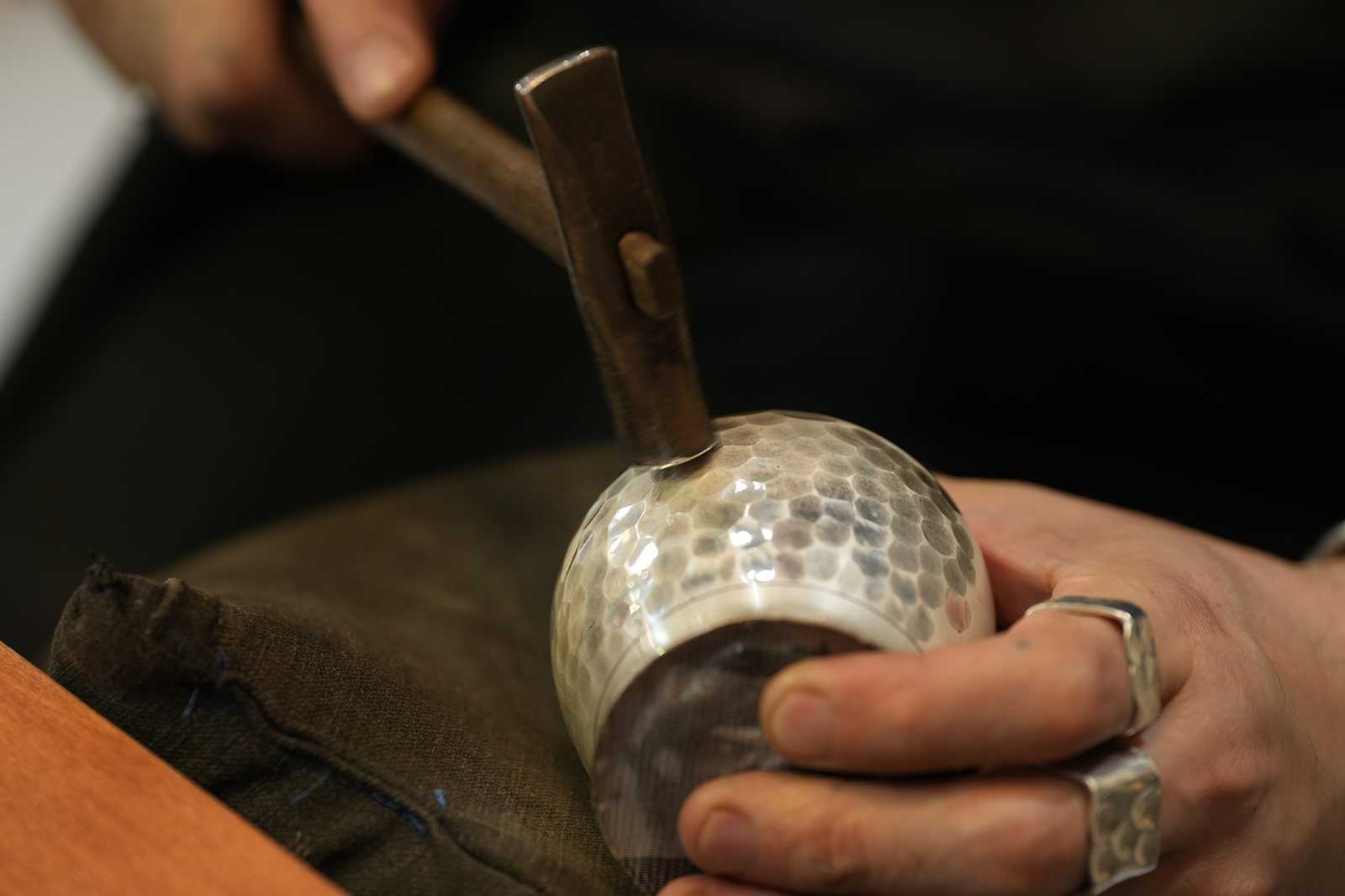
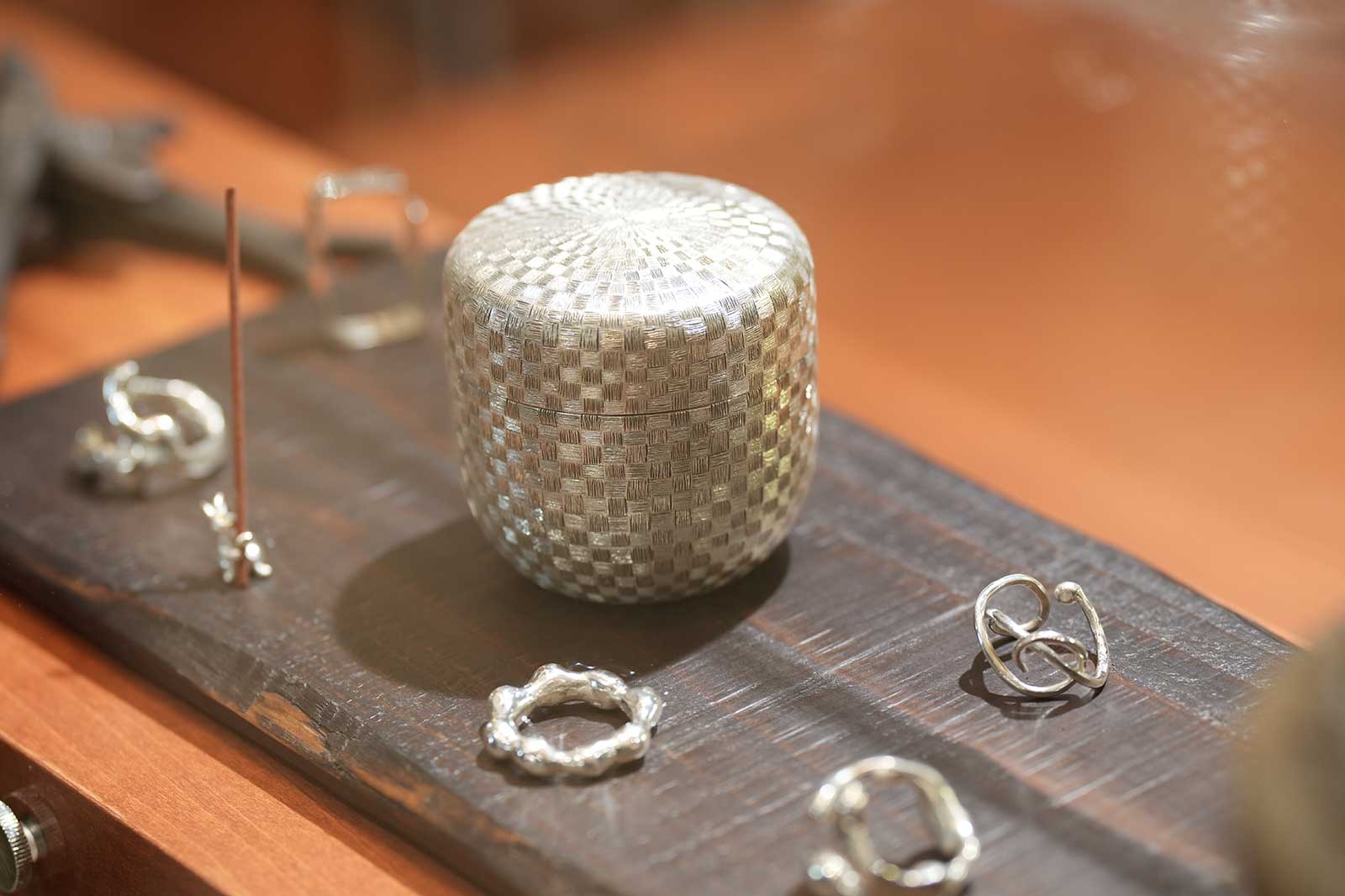
The exhibition showcased a variety of crafts made using silver, which has a history of approximately 5,000 years, and metalworking techniques, an application of the forging method that has been passed down in Japan since ancient times for making swords. The process of repeatedly hammering the metal was demonstrated.
[Kanagawa] Nakatsu Broom, Shinji Yoshida
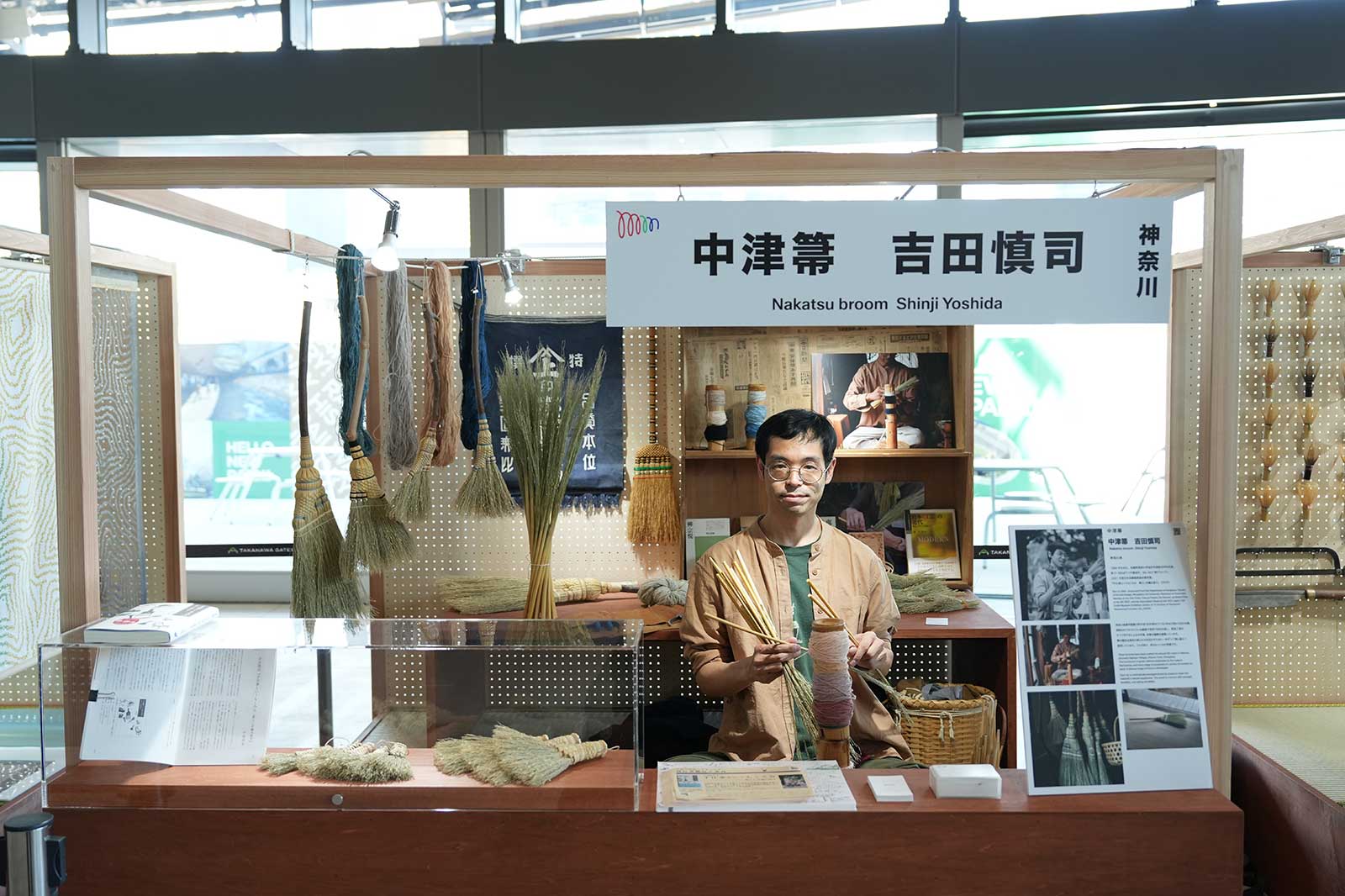
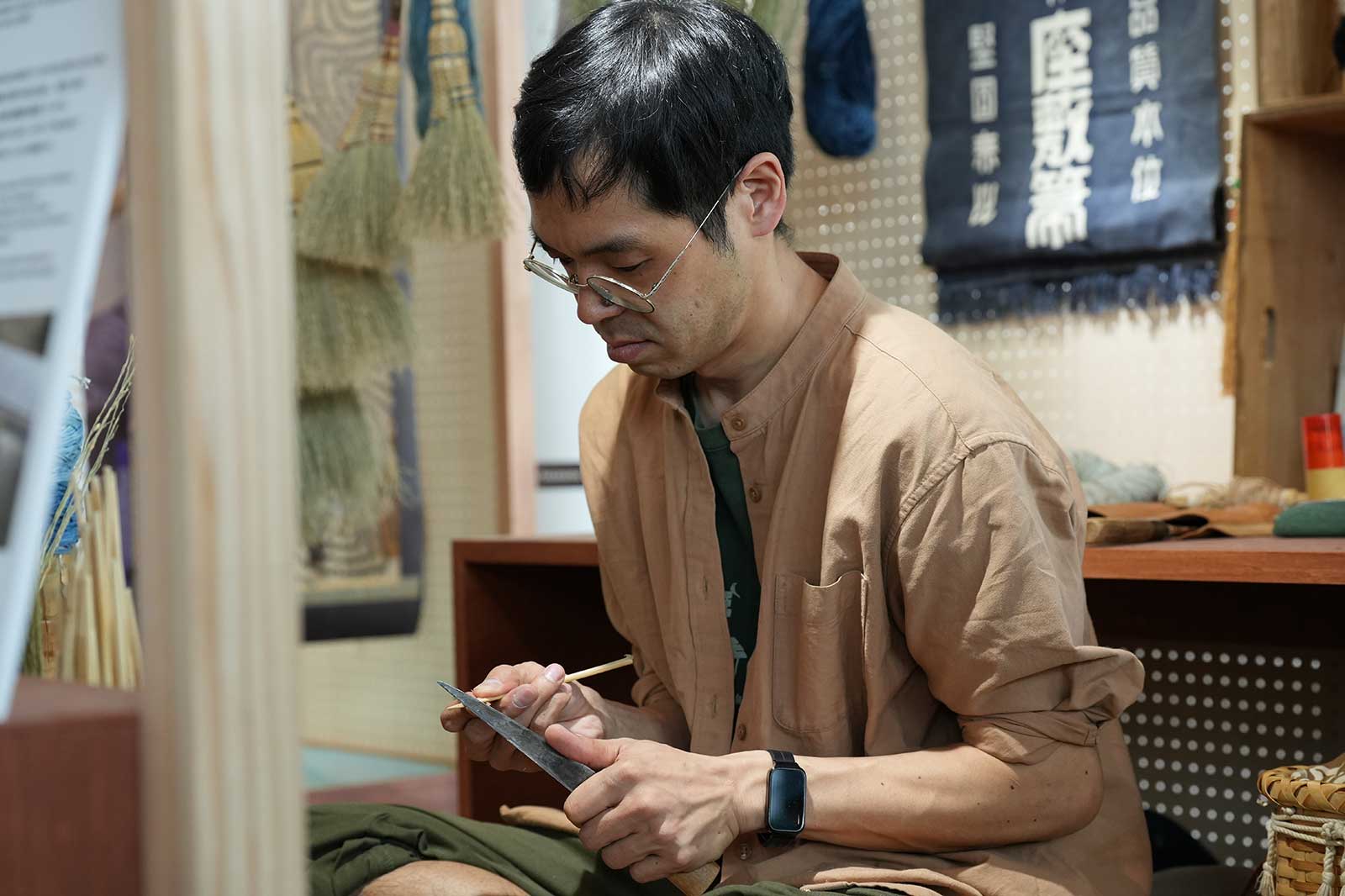
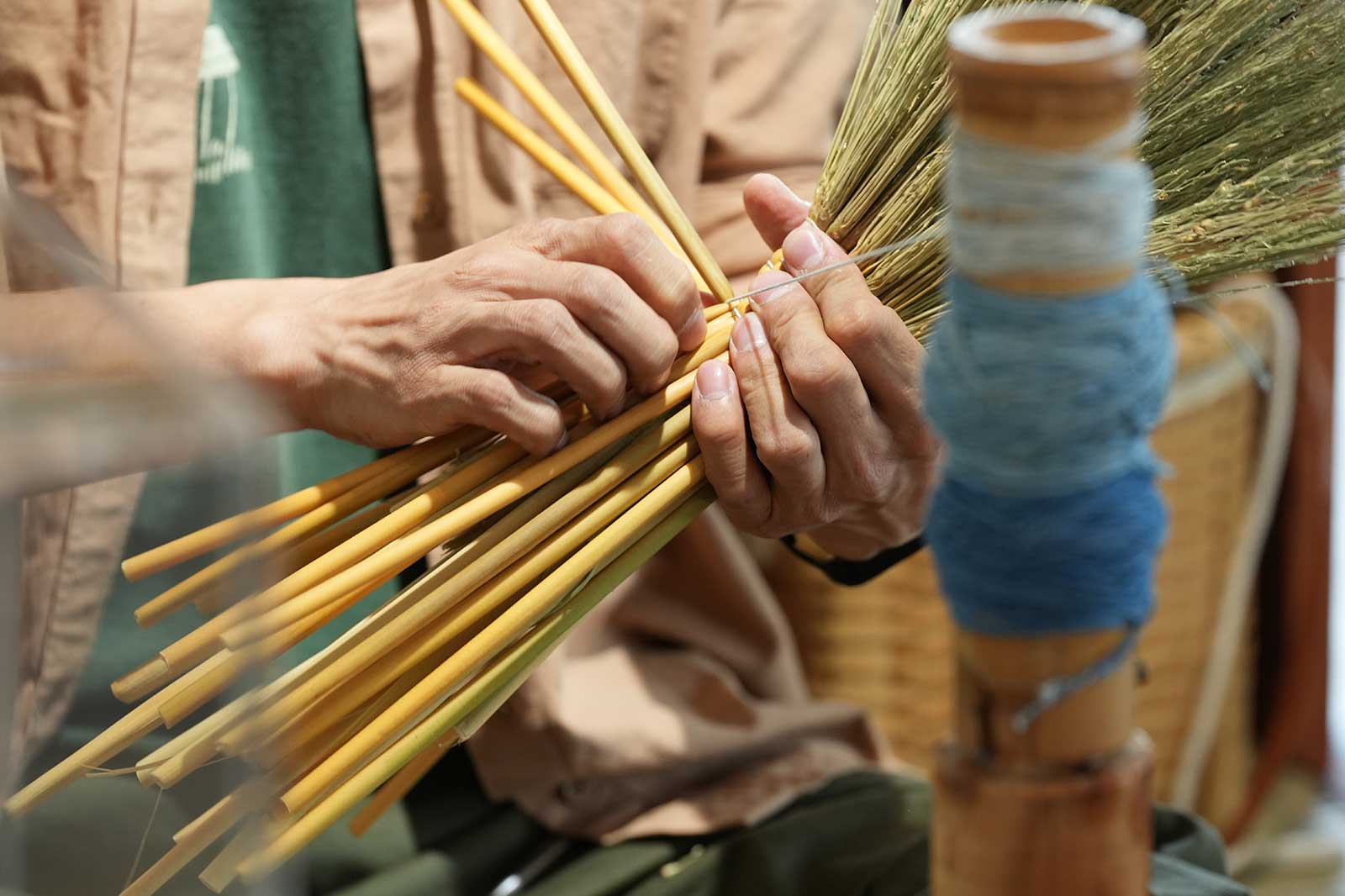
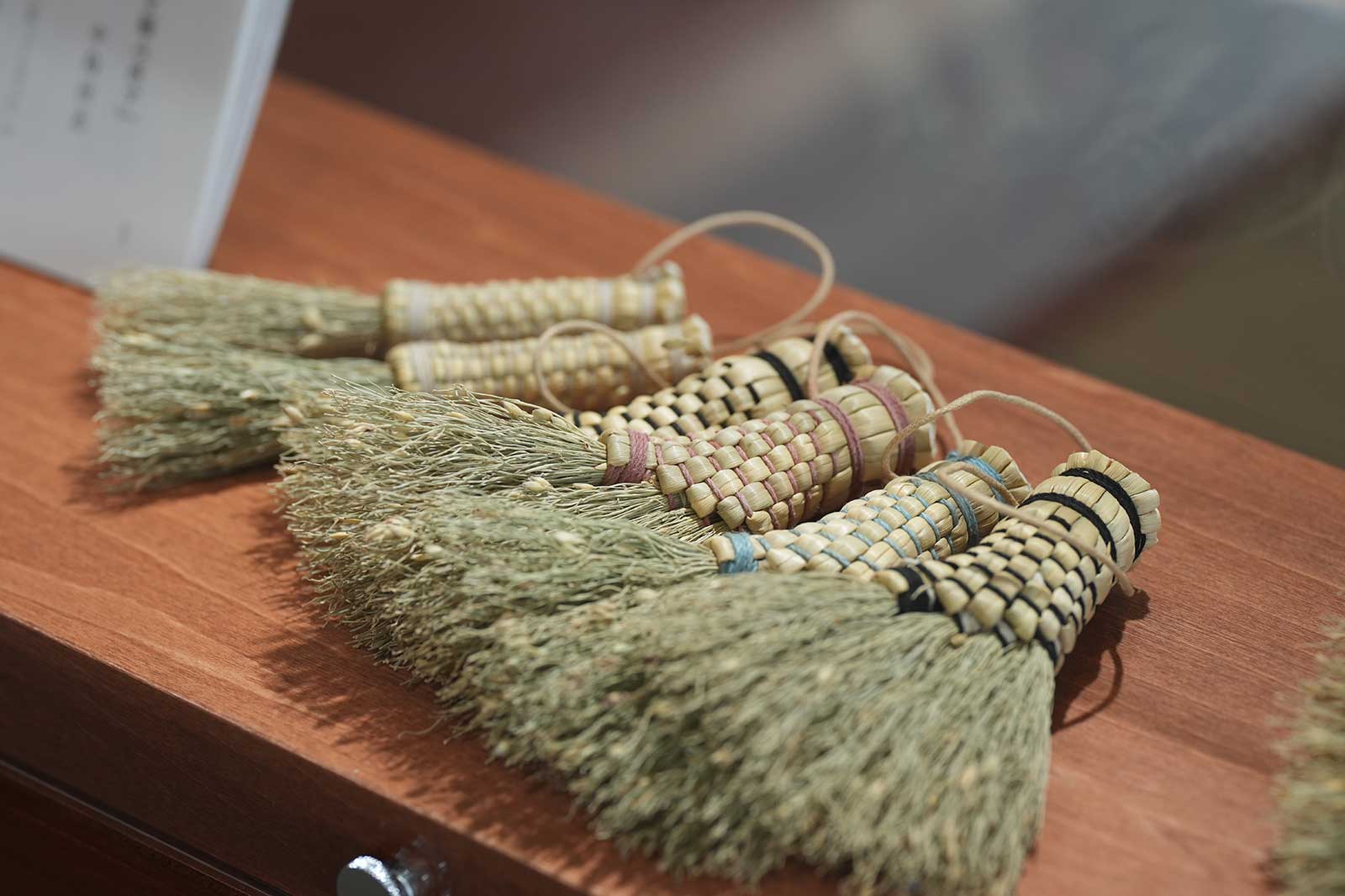
Nakatsu brooms are traditional tatami brooms that have been made since the late Edo and Meiji periods. The demonstration showcased how to weave new brooms that are suited to modern life while preserving traditional techniques.
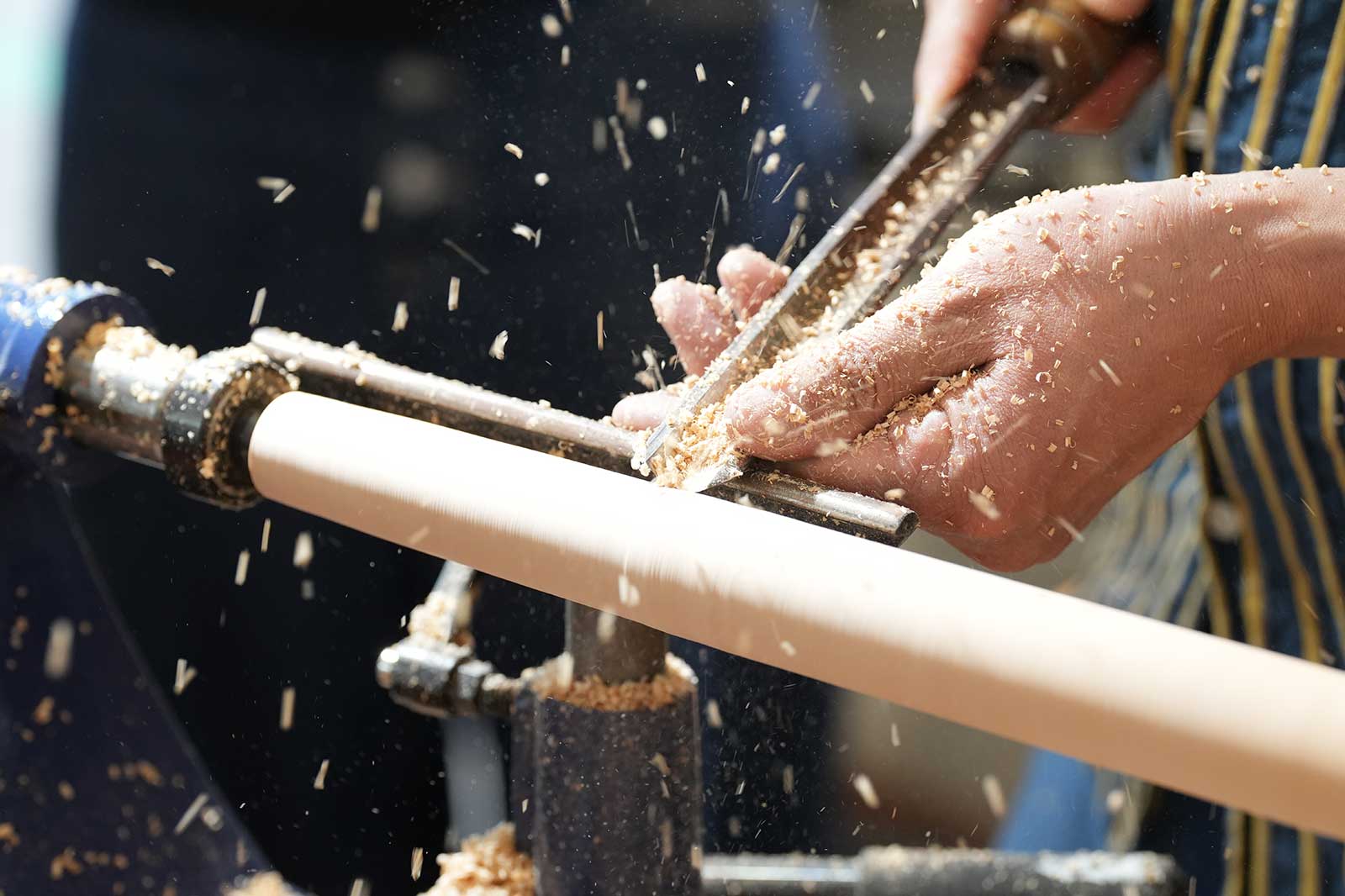
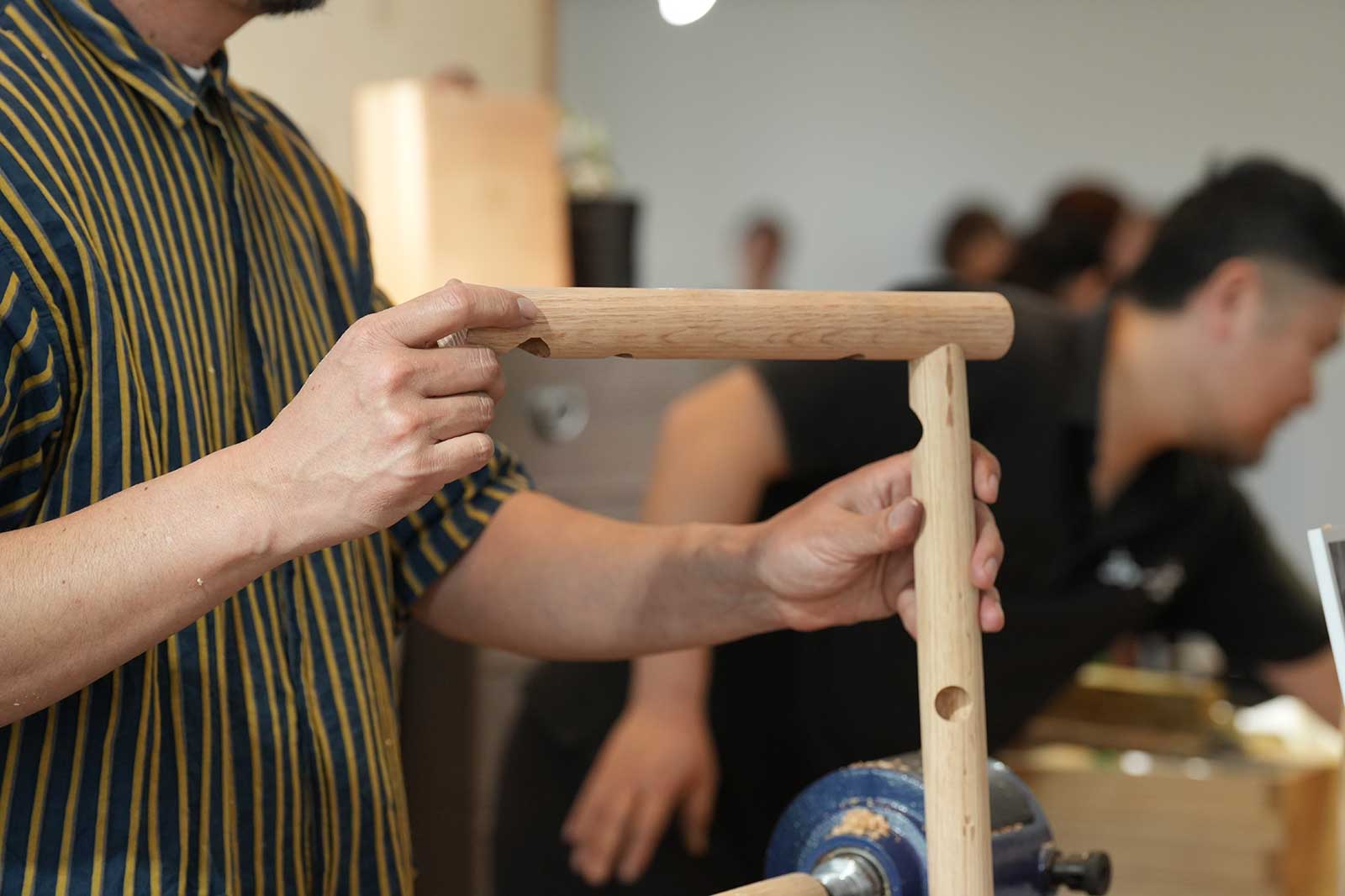
[Shizuoka] Woodturning Workshop 639, Satoshi Momose
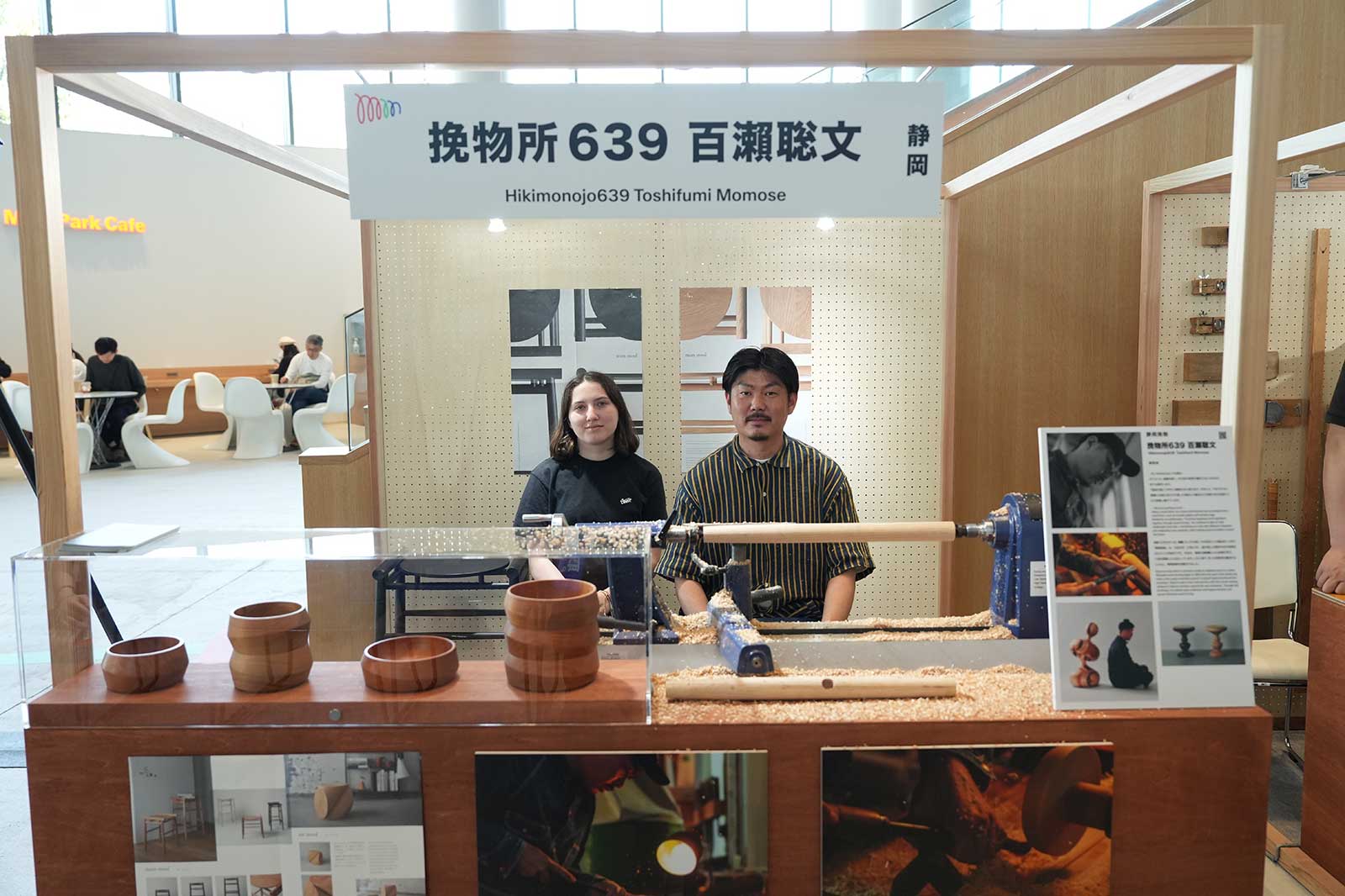
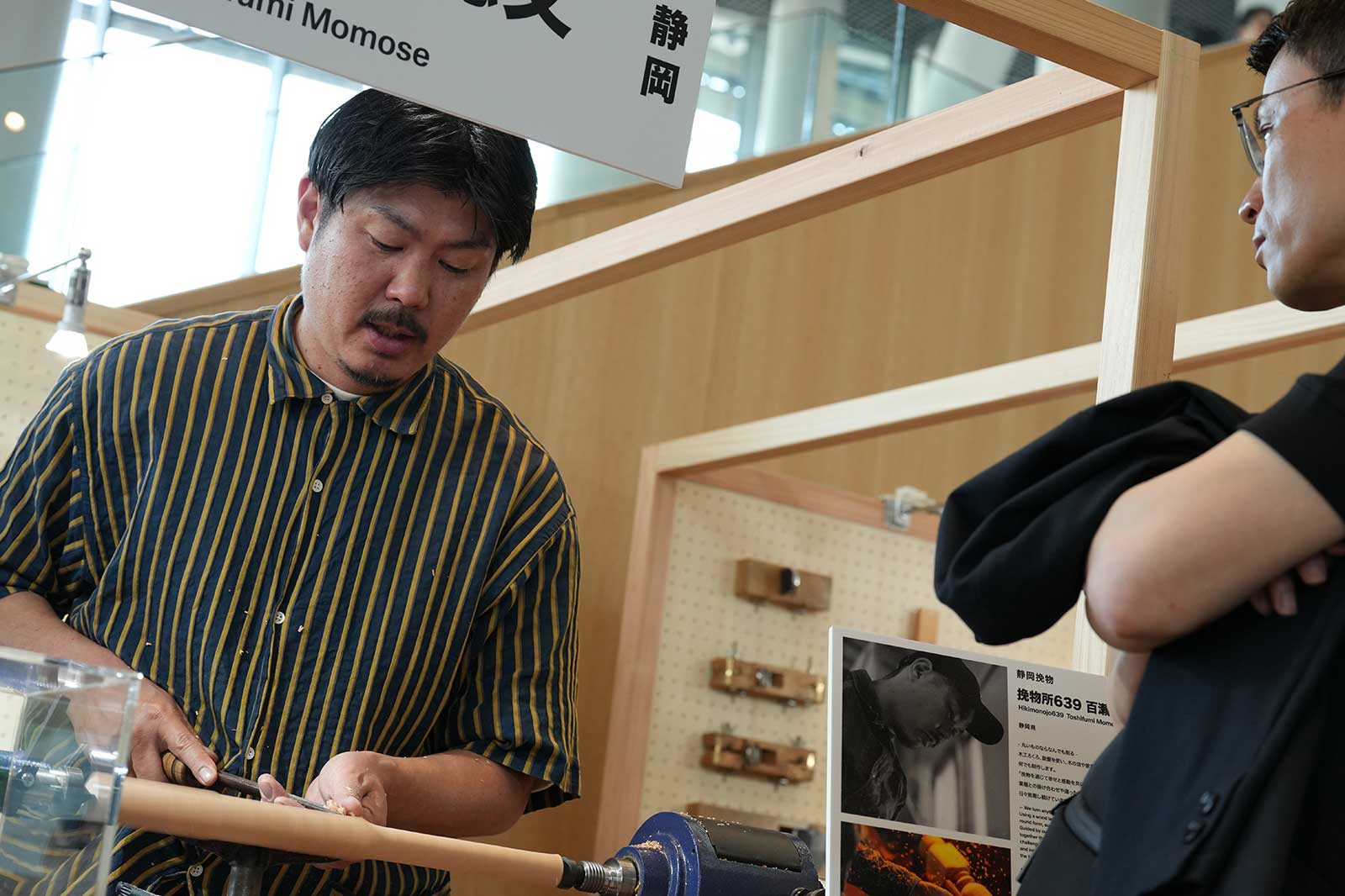
At this stall, they were creating a gate-like "mon stool." I was captivated by the bold yet delicate technique of carving out parts that you don't often see.
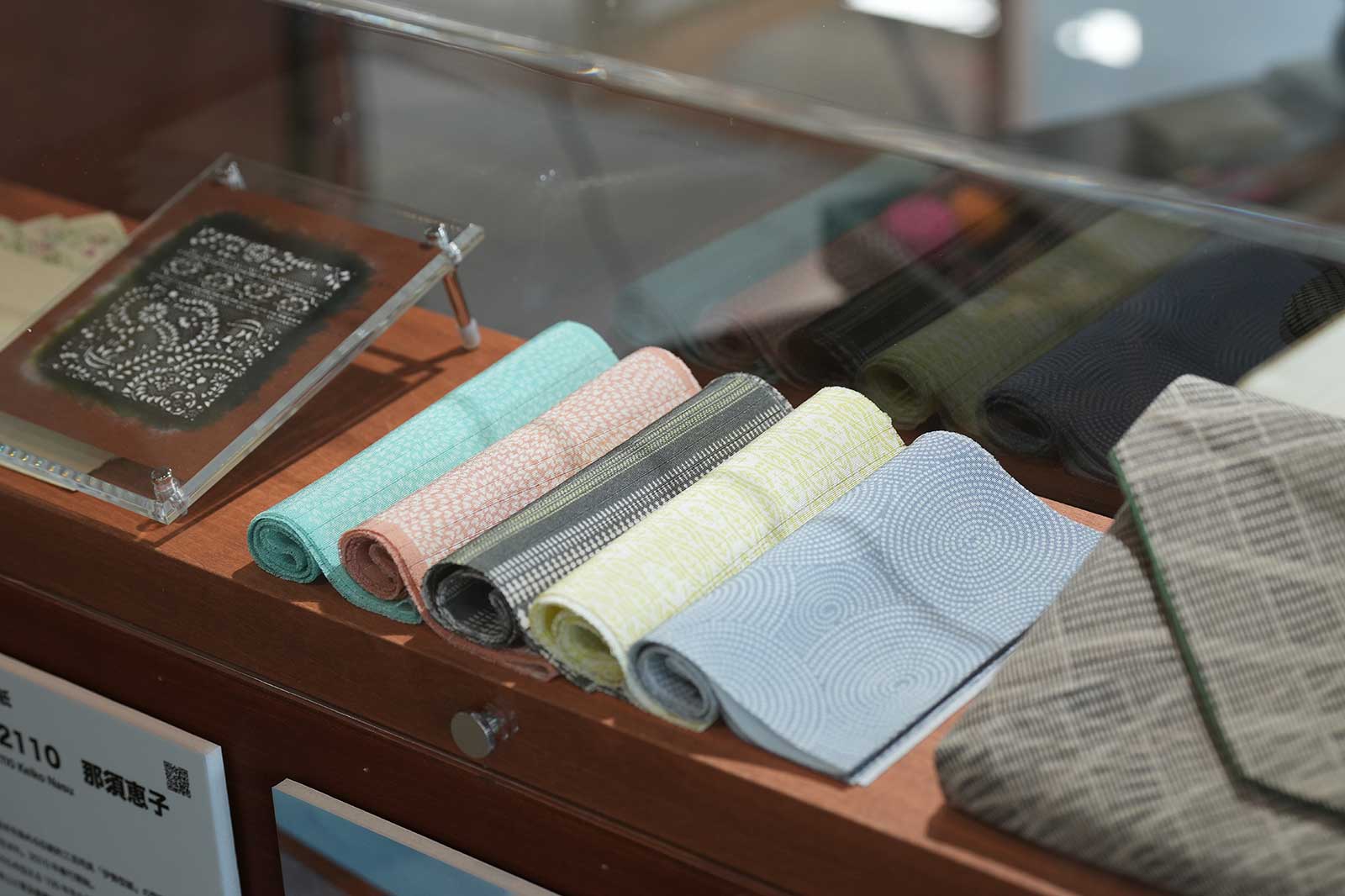
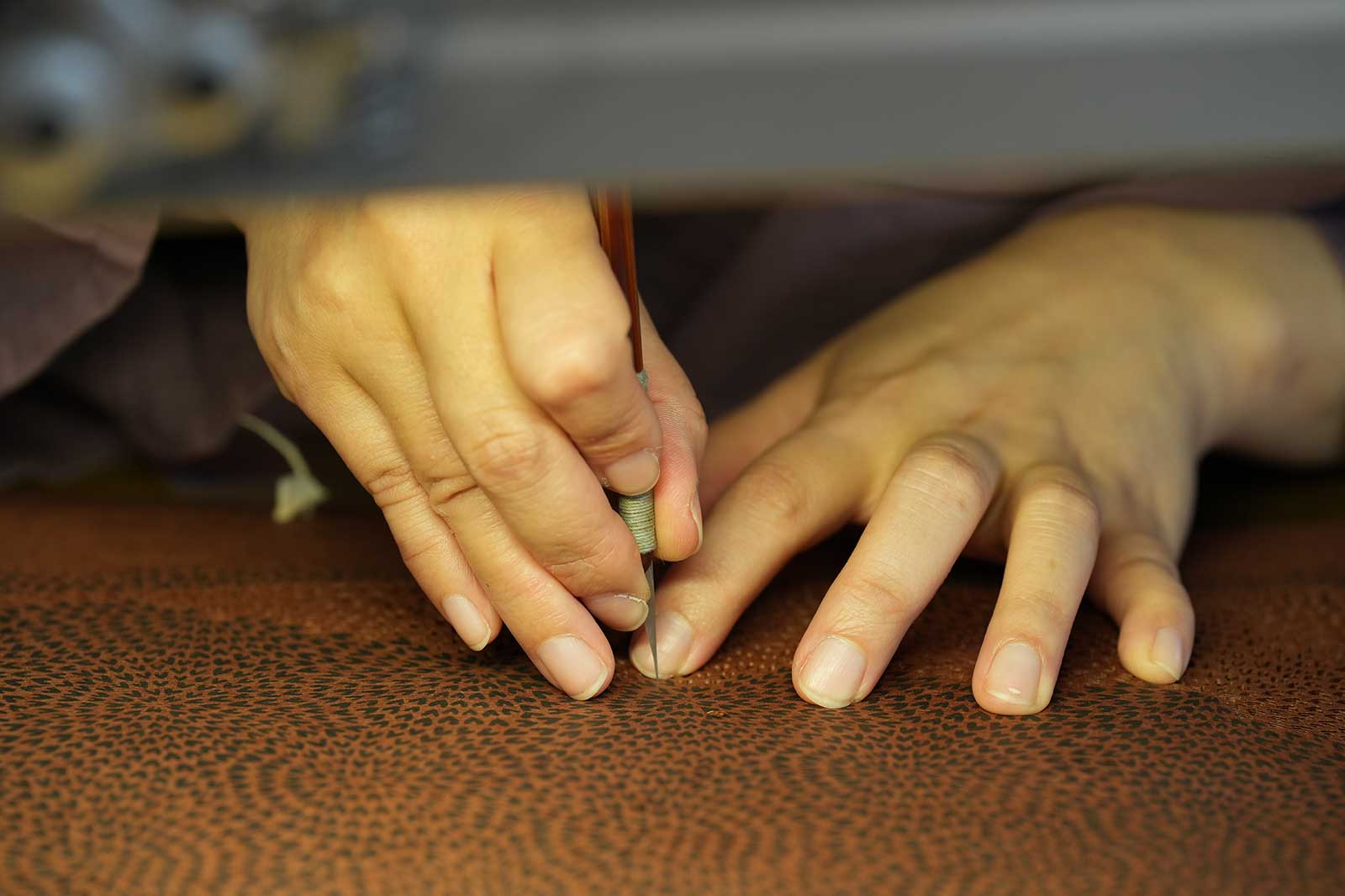
[Mie] Kataya 2110 Nasu Keiko
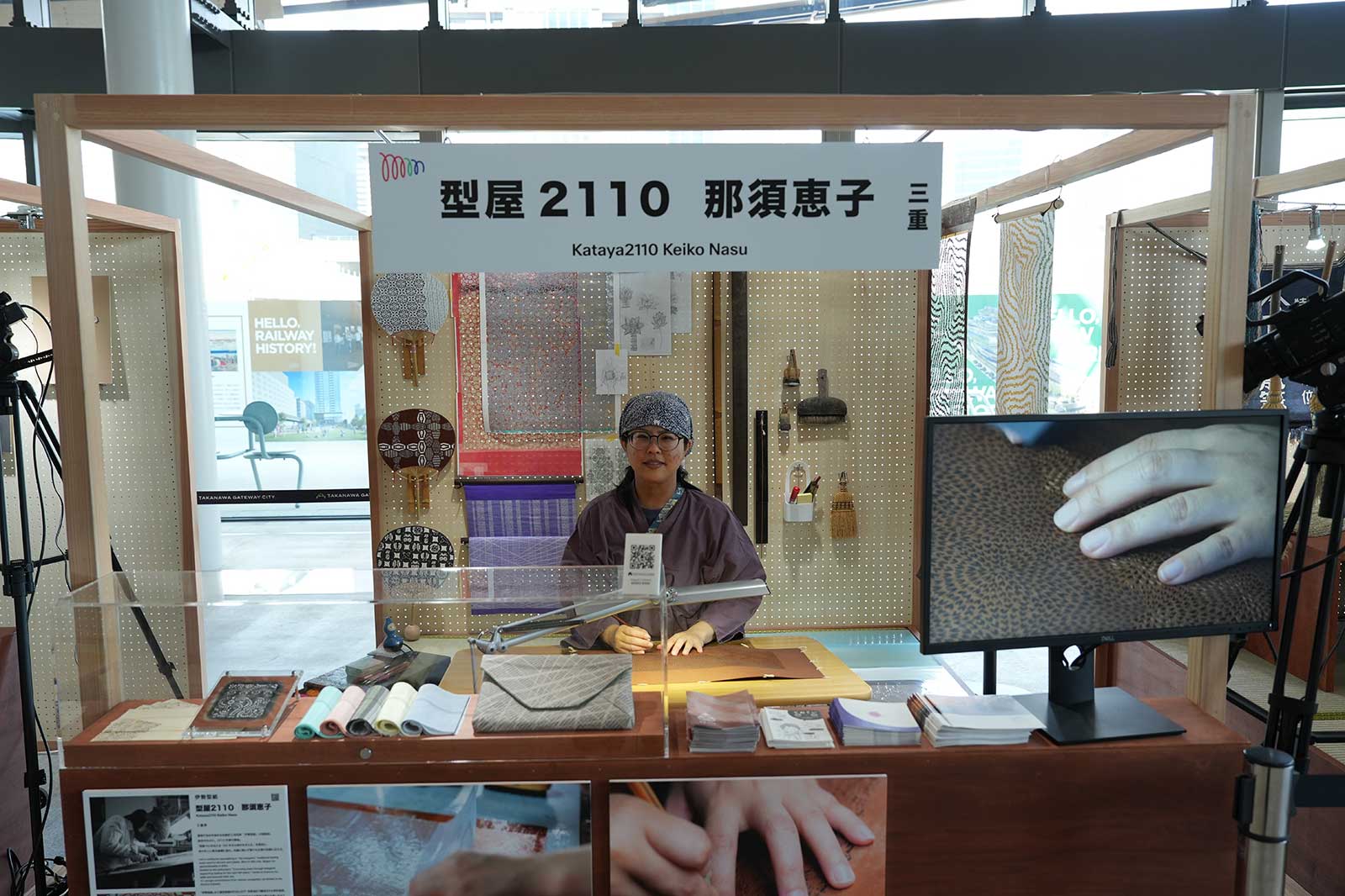
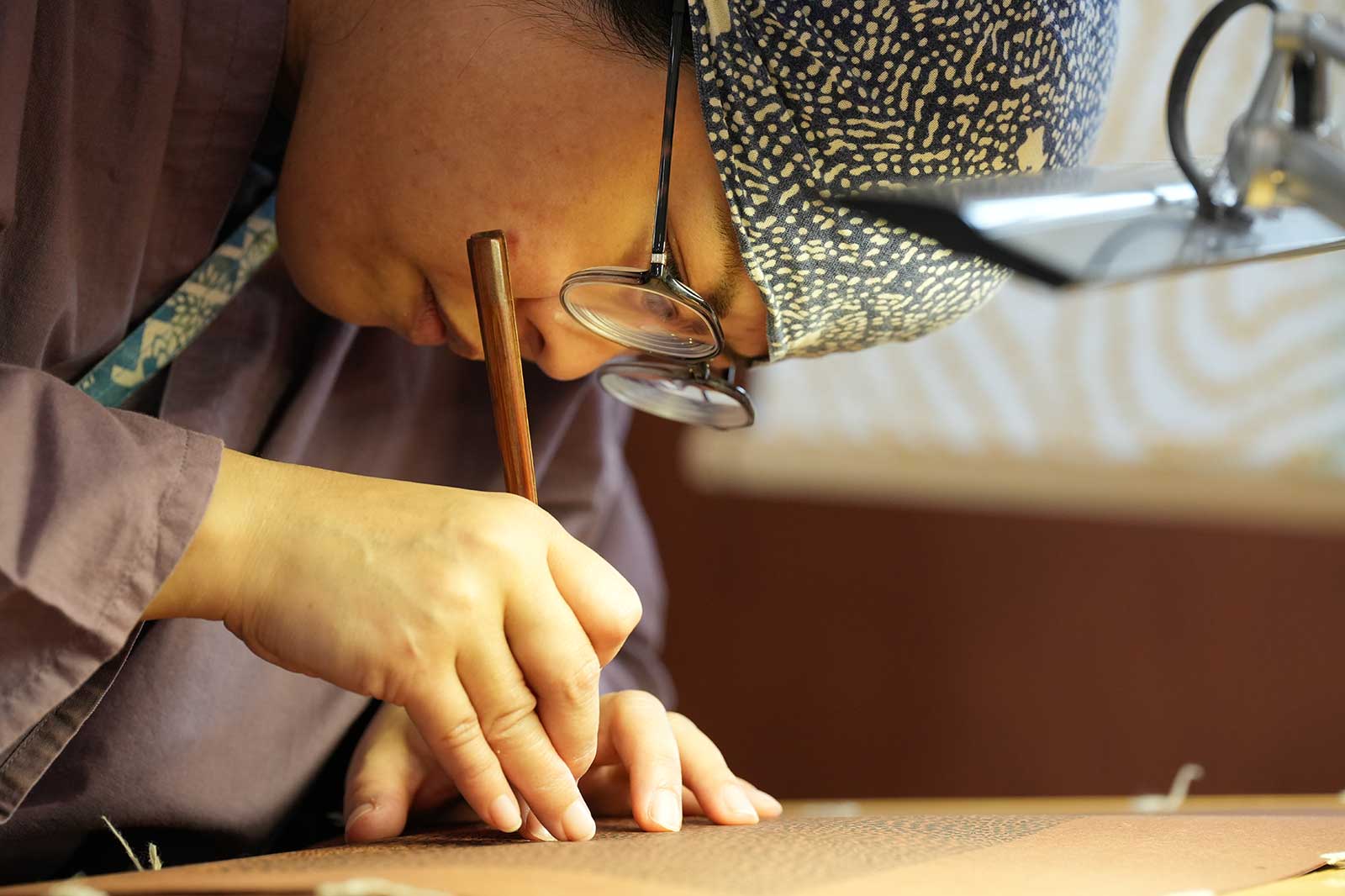
Ise-katagami is a traditional craft tool used to dye kimonos and yukatas. The process of carving intricate and complex patterns into the stencils was demonstrated.
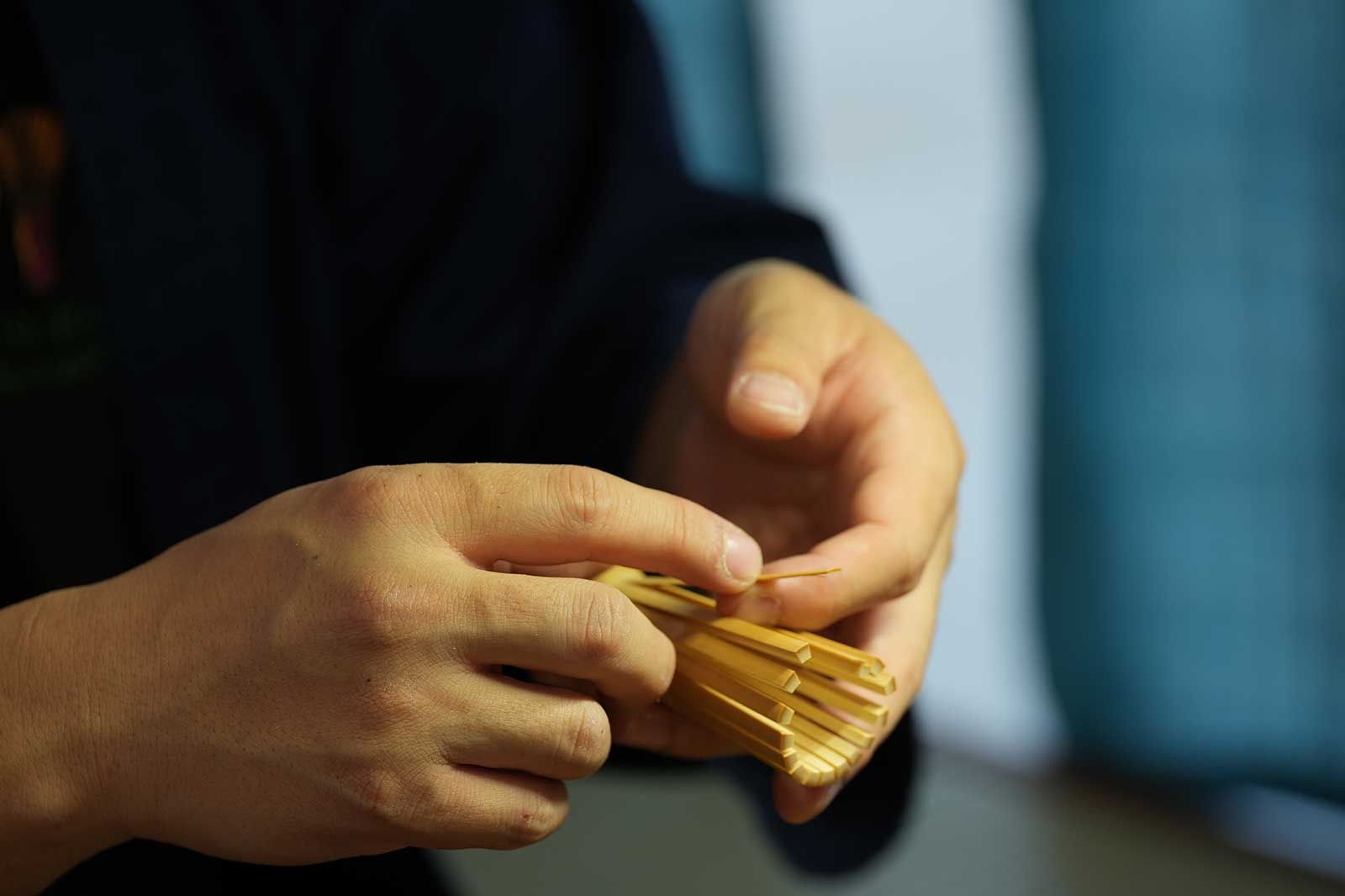
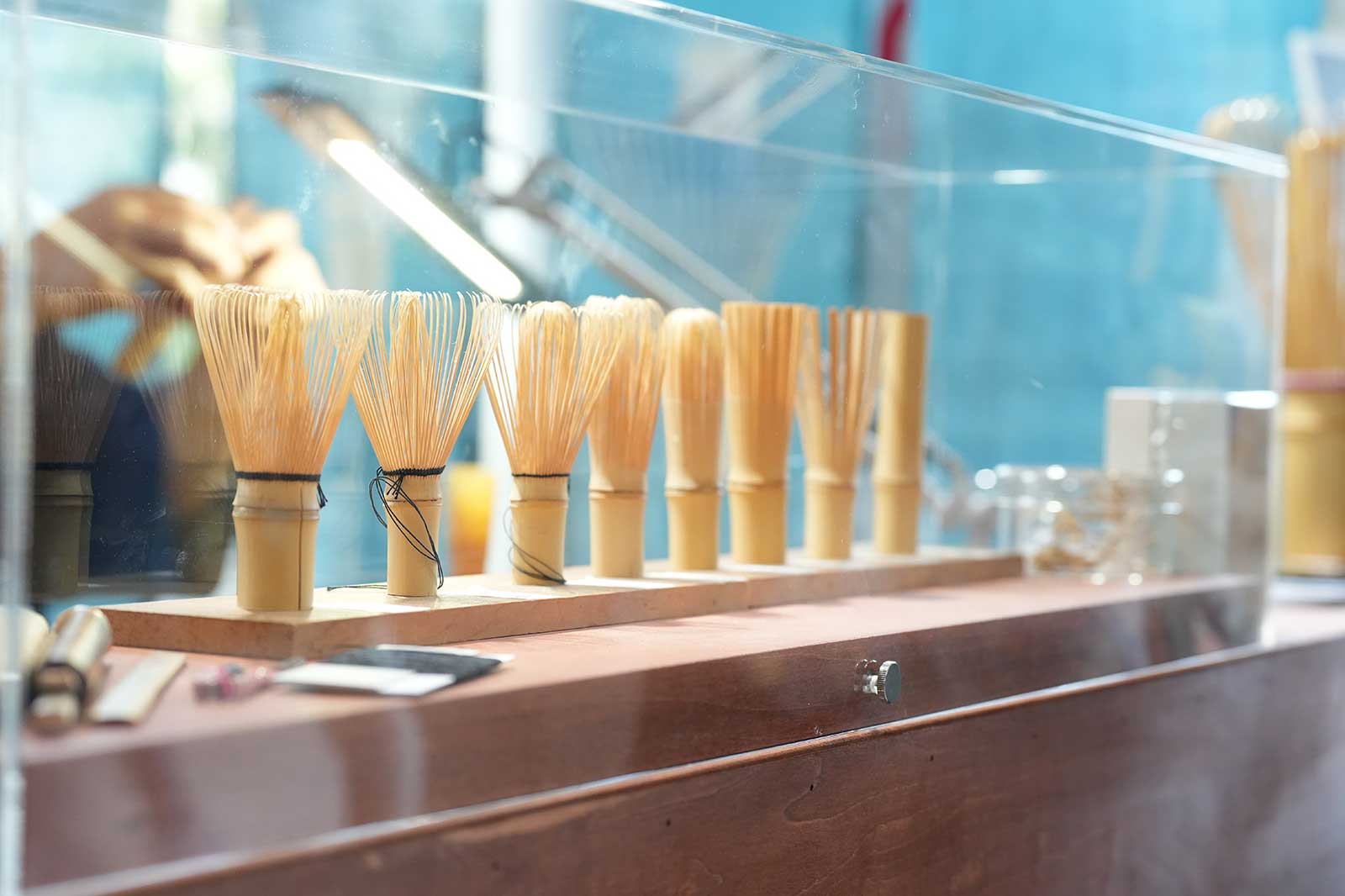
[Nara] Suikaen Tanimura Yasaburo Shoten
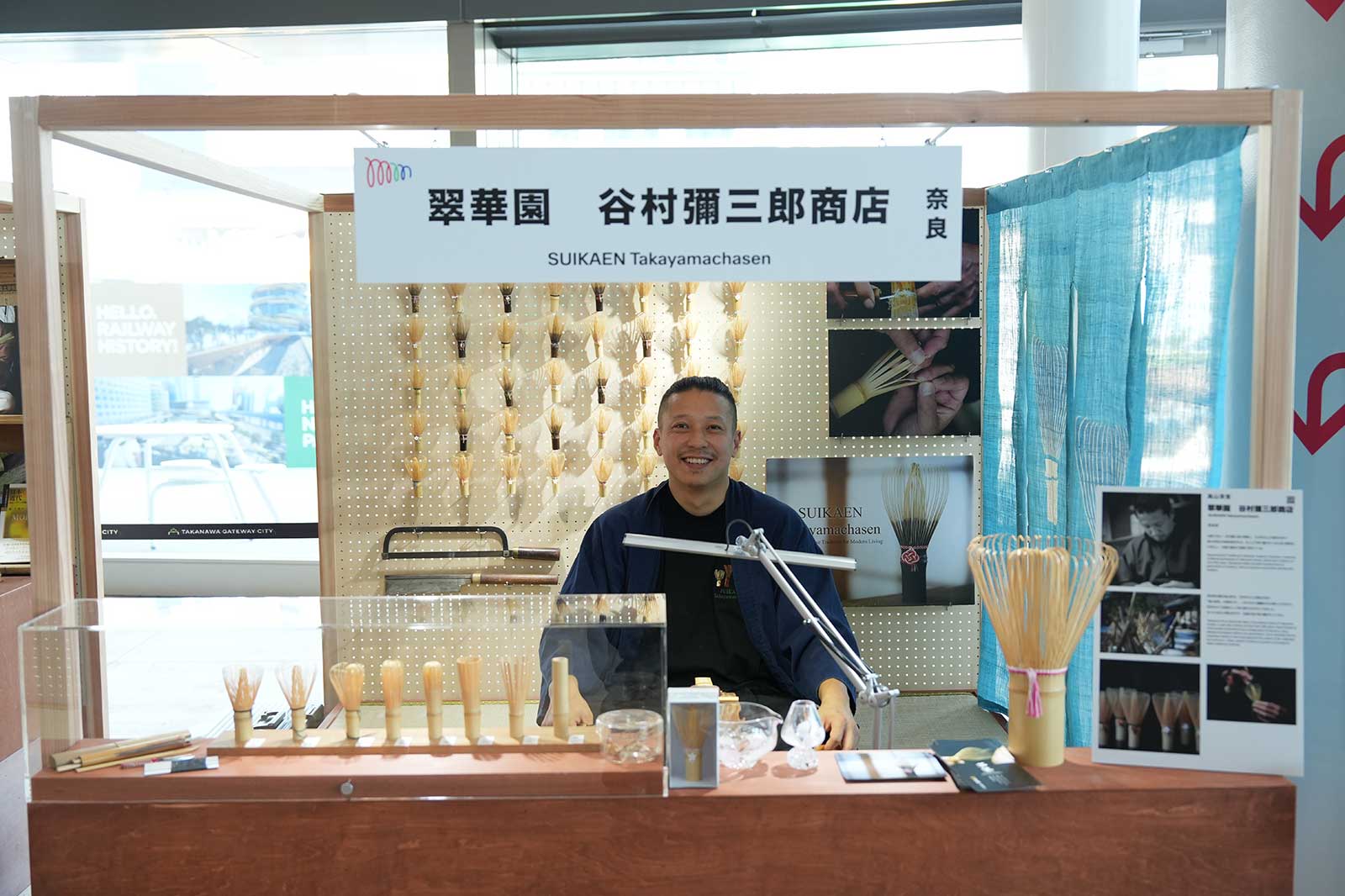
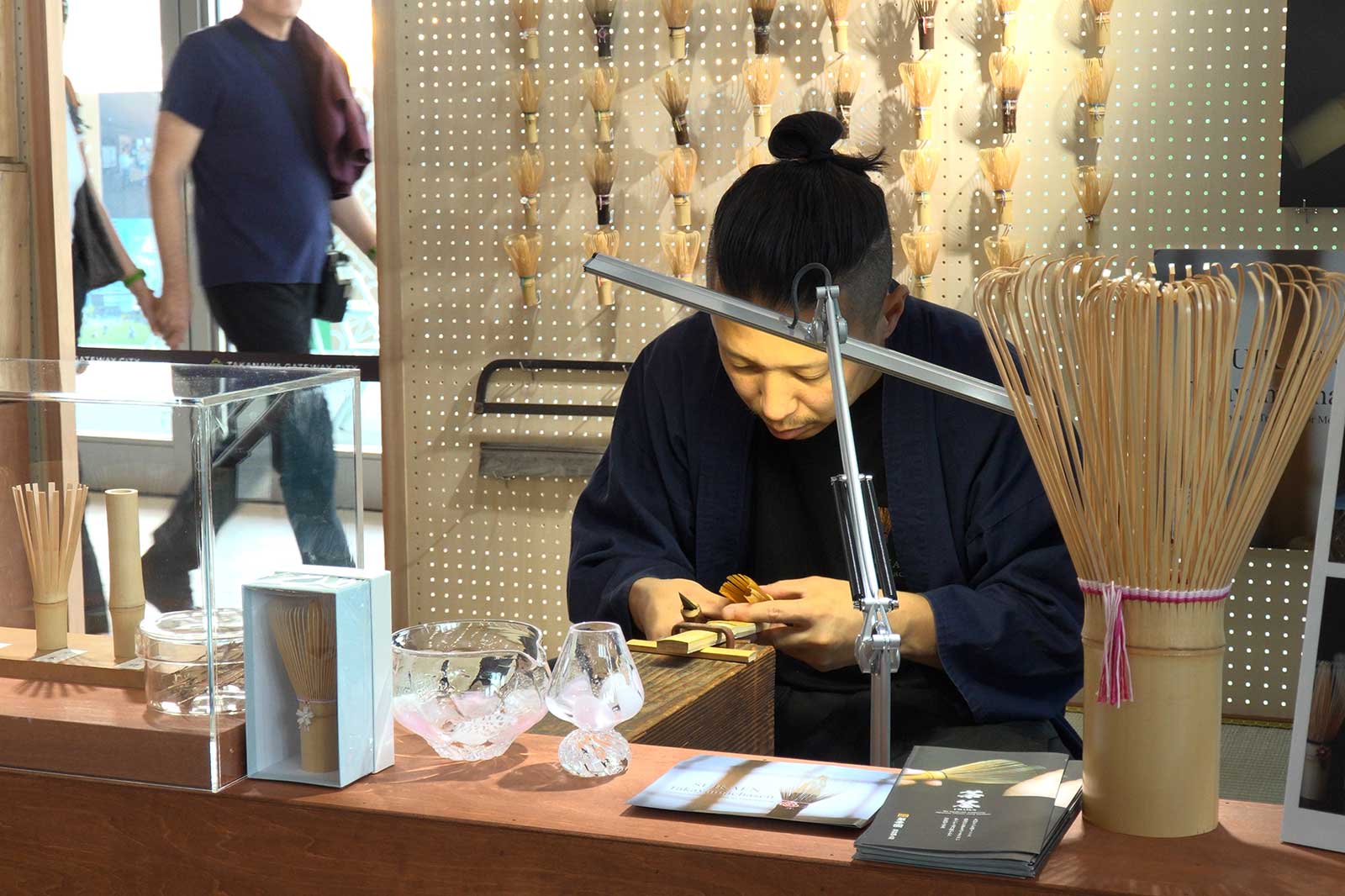
The exhibition showcased the process of making tea whisks. It was an informative display, revealing that different schools of tea ceremony use different methods and materials.
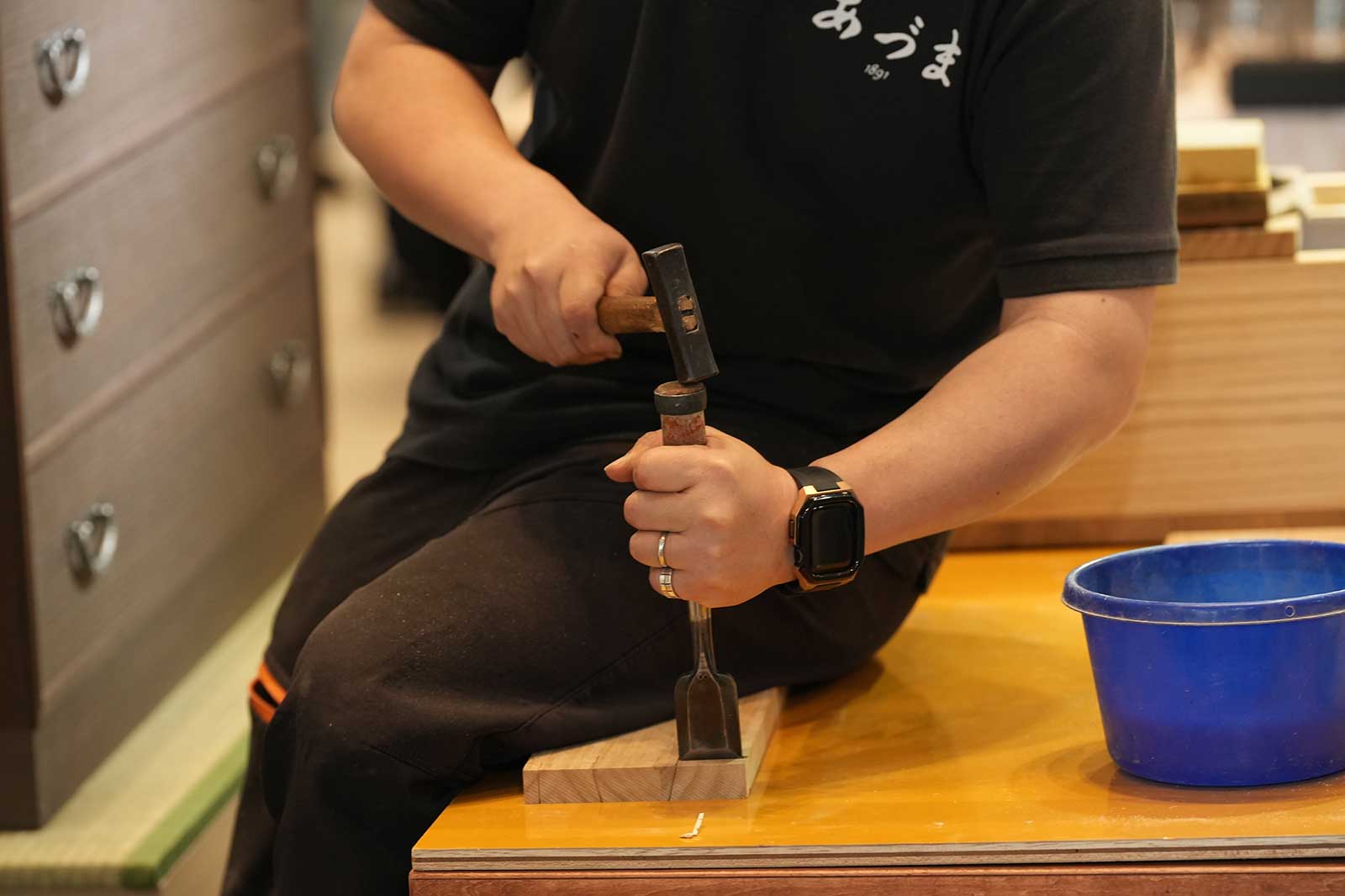
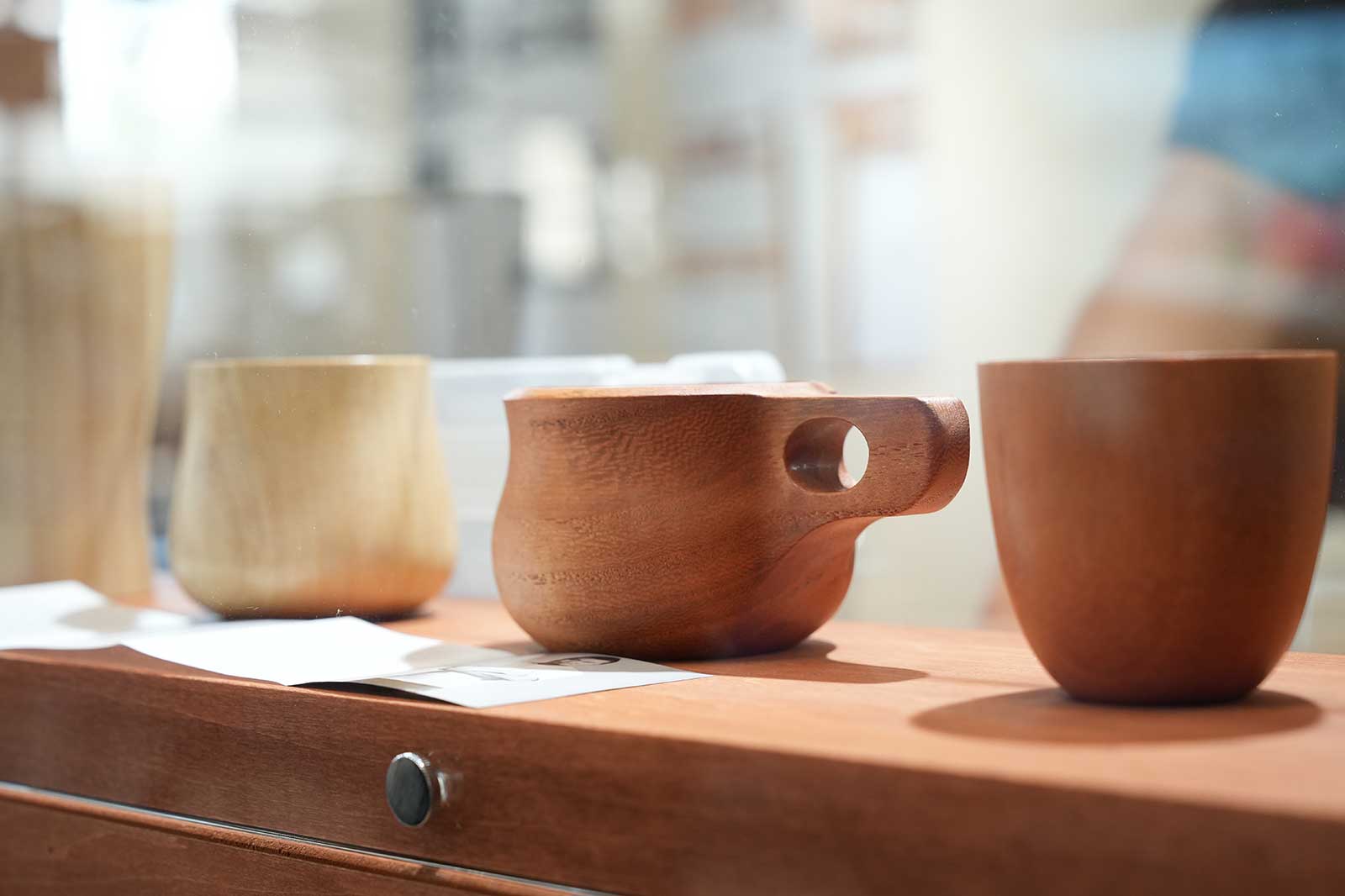
[Wakayama] Azuma Furniture
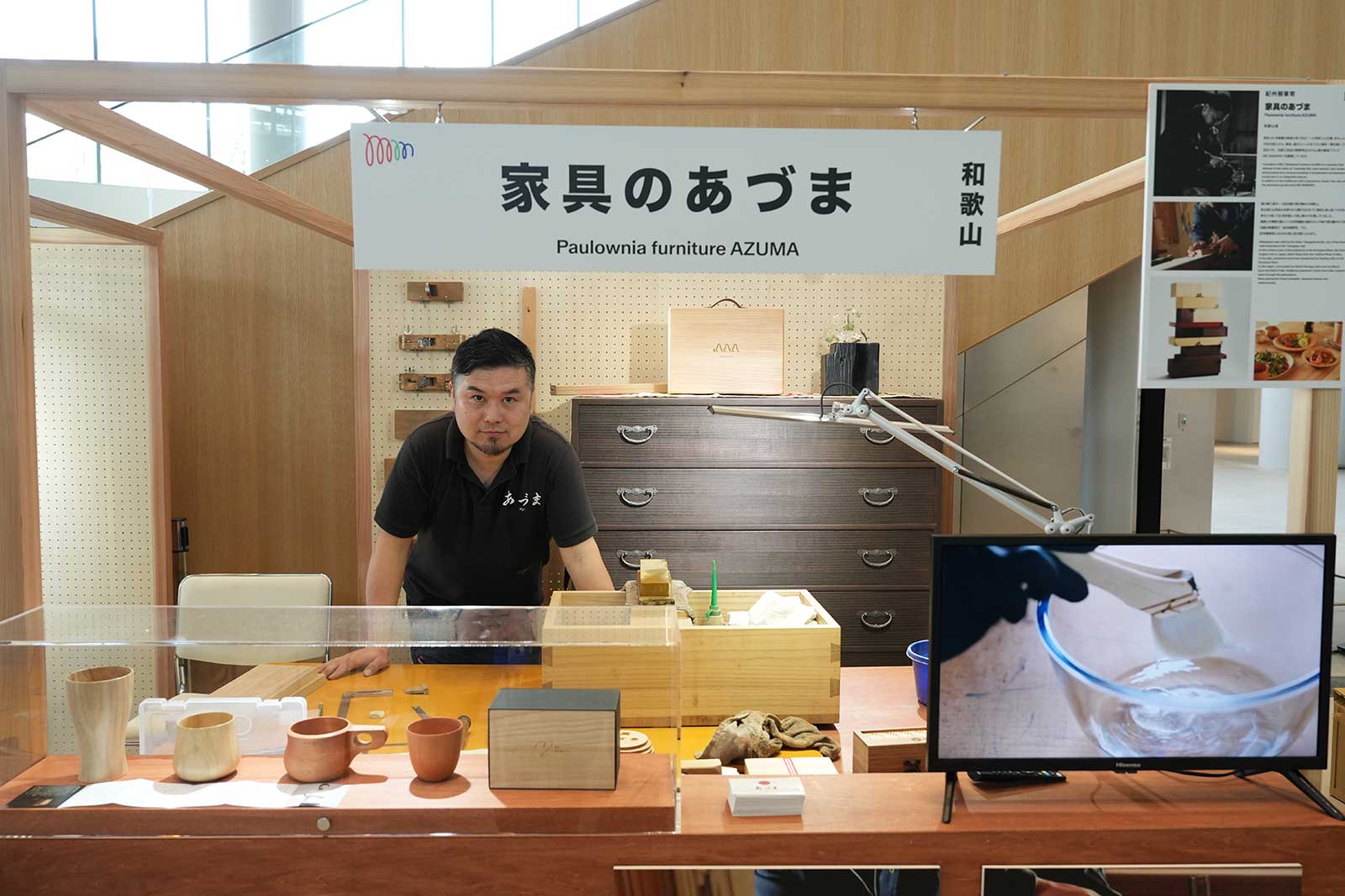
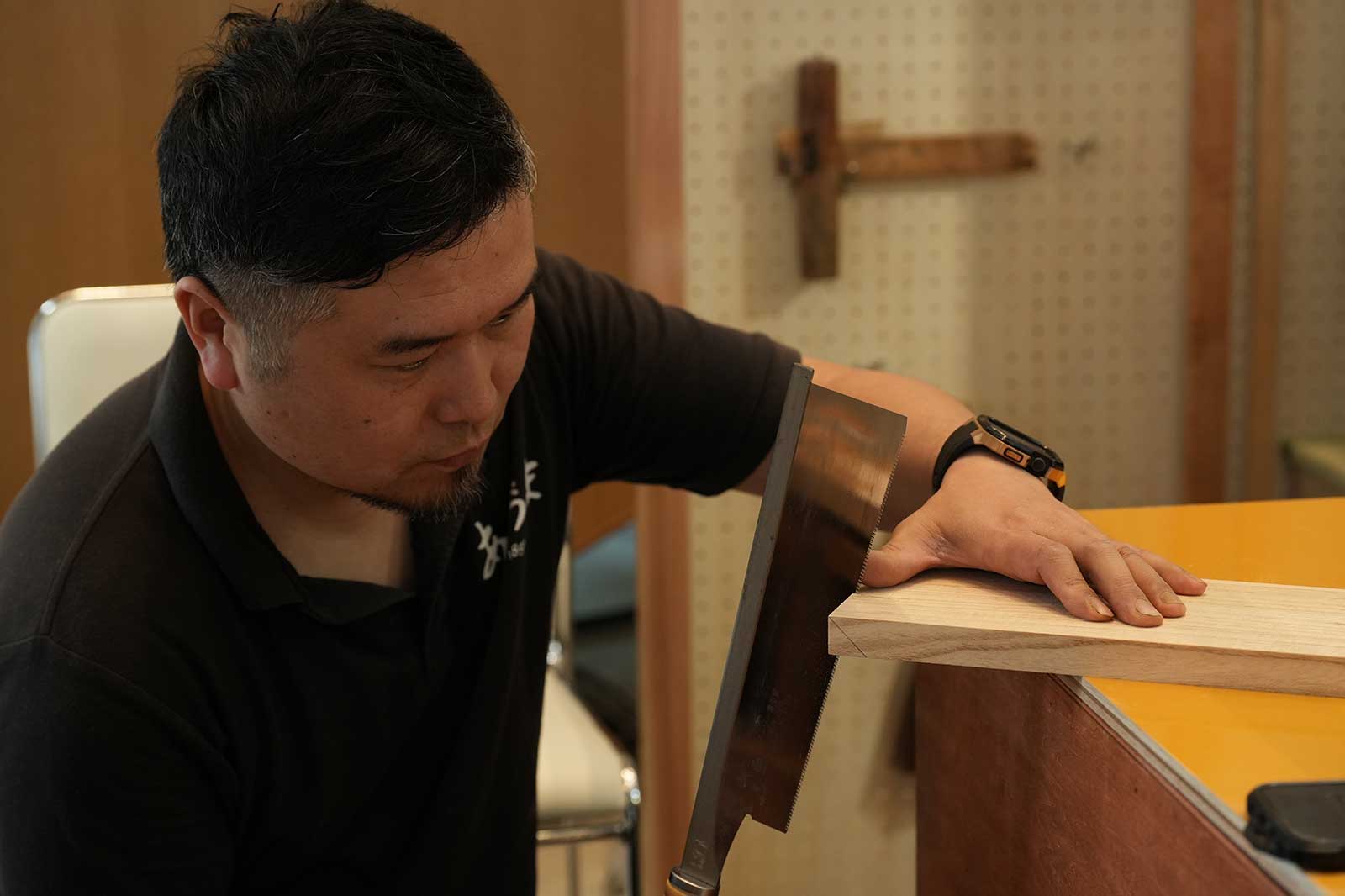
They showcased the process of creating furniture that supports daily life, including paulownia wood chests, which have been known since ancient times as an auspicious tree.
[Kagoshima] Etsuke-sha Satsuma Shishi Murota Shiho
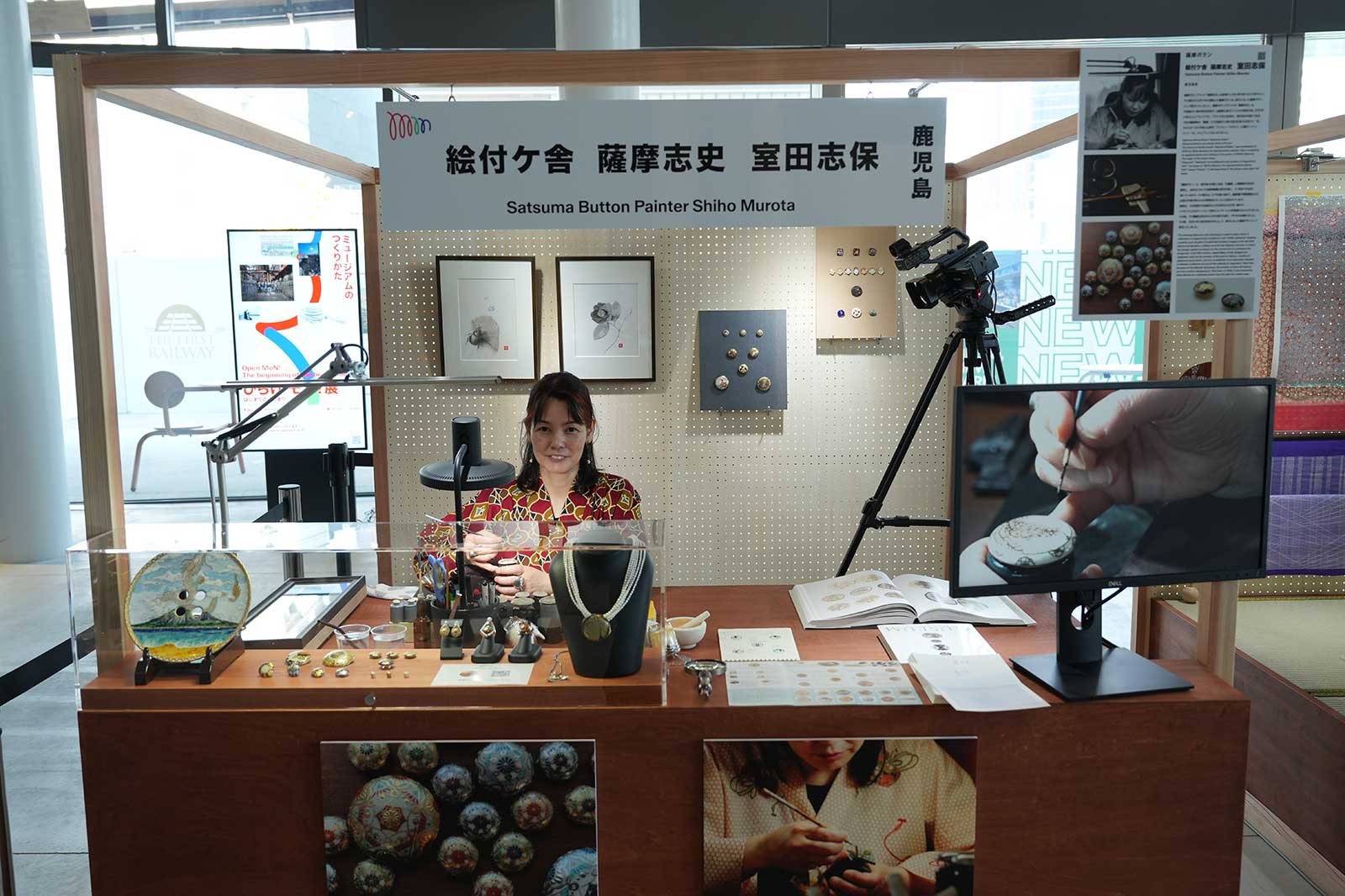
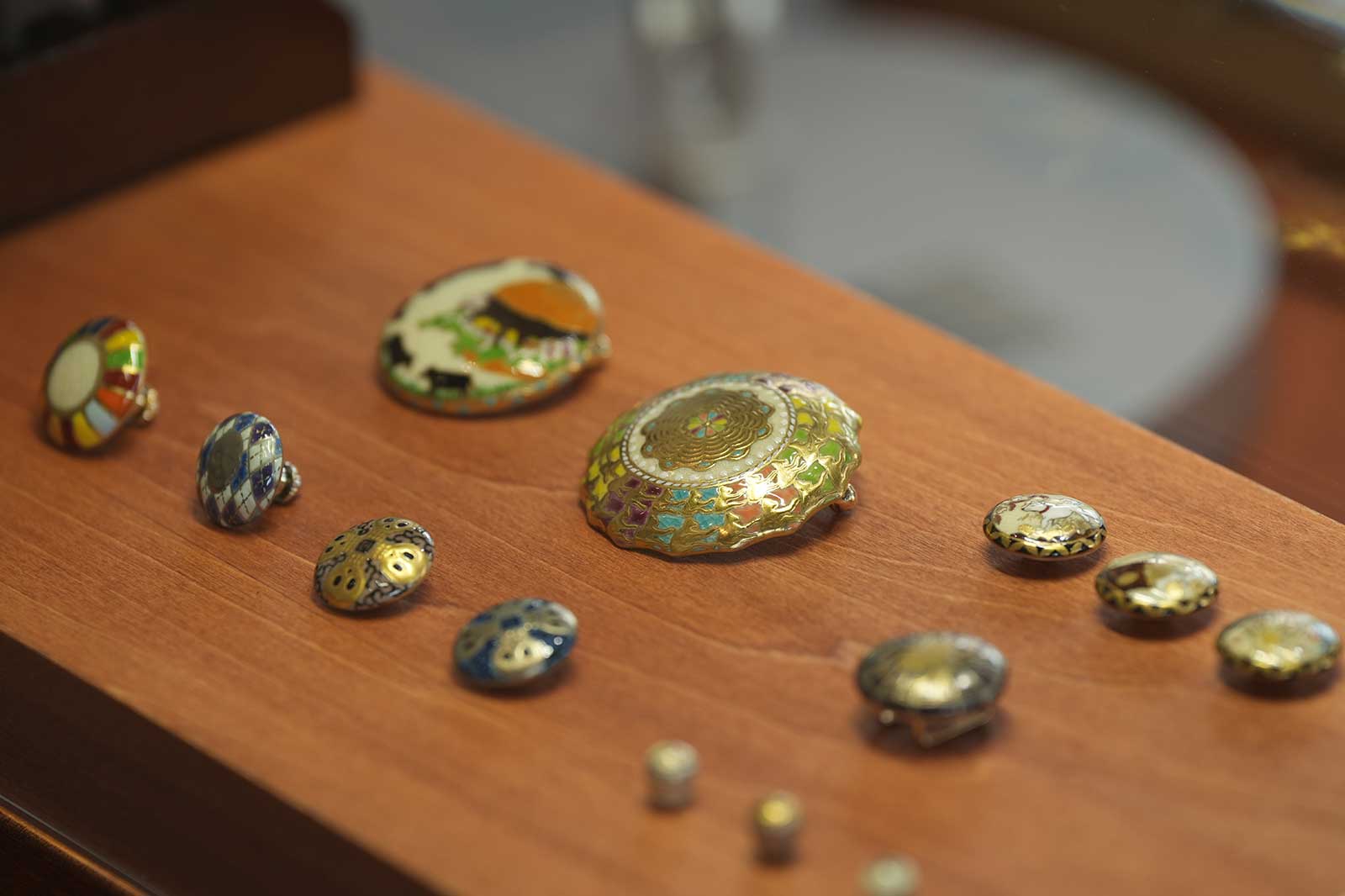
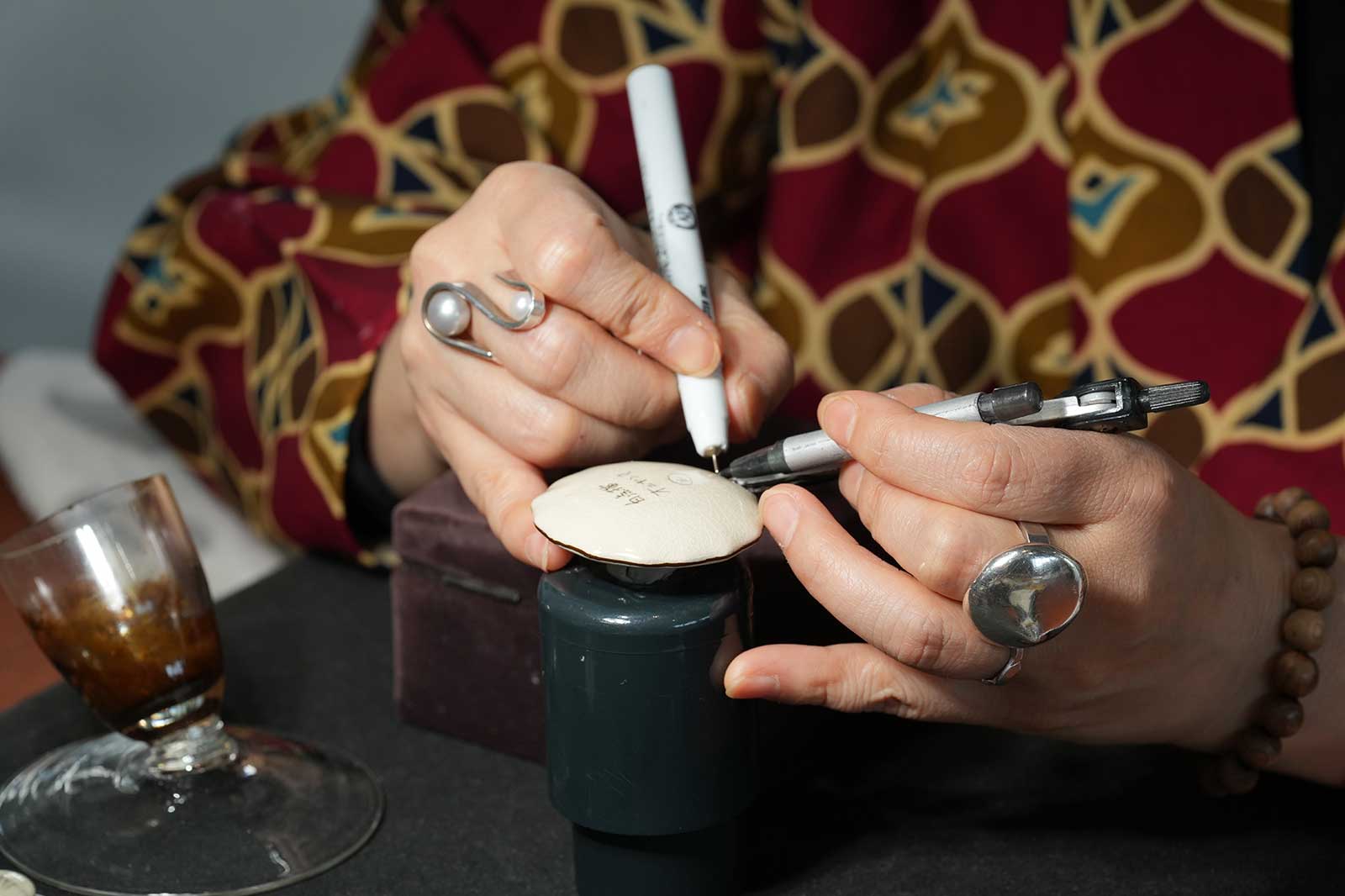
"Satsuma buttons" were produced in the late Edo period to raise funds for movements such as the anti-shogunate movement. They are characterized by their vibrant and distinctly Japanese designs depicting scenes of daily life, flowers, birds, and the natural beauty of the season. The exhibition showcased not only the painting process but also the many steps involved in its completion.
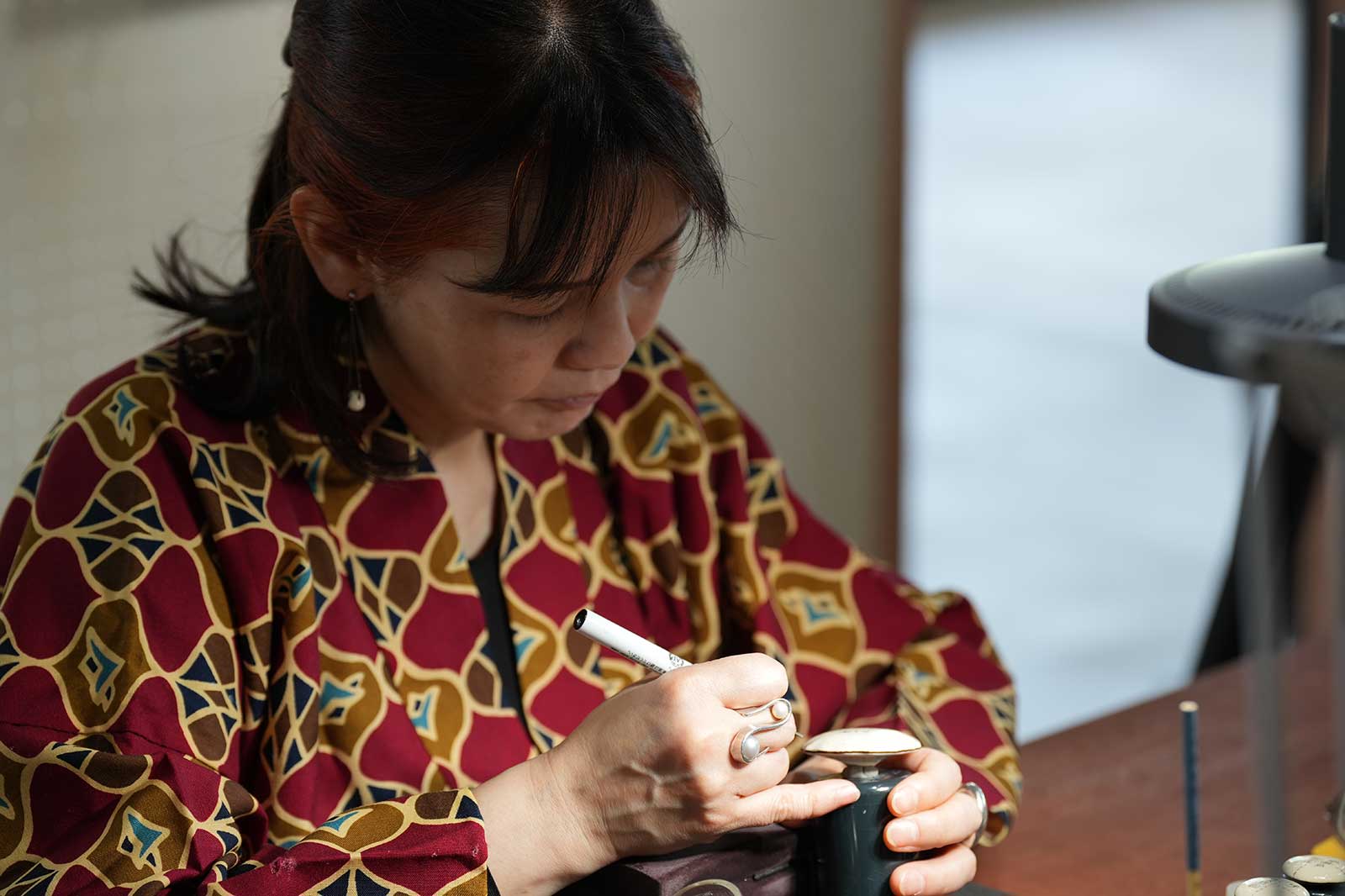
From young children to adults, this exhibition offered visitors the opportunity to talk directly with artisans, feel their presence, and experience Japanese tradition through handcrafted work.
Planning assistance: Toshiaki Kawamata (Think-Sync inc.)